

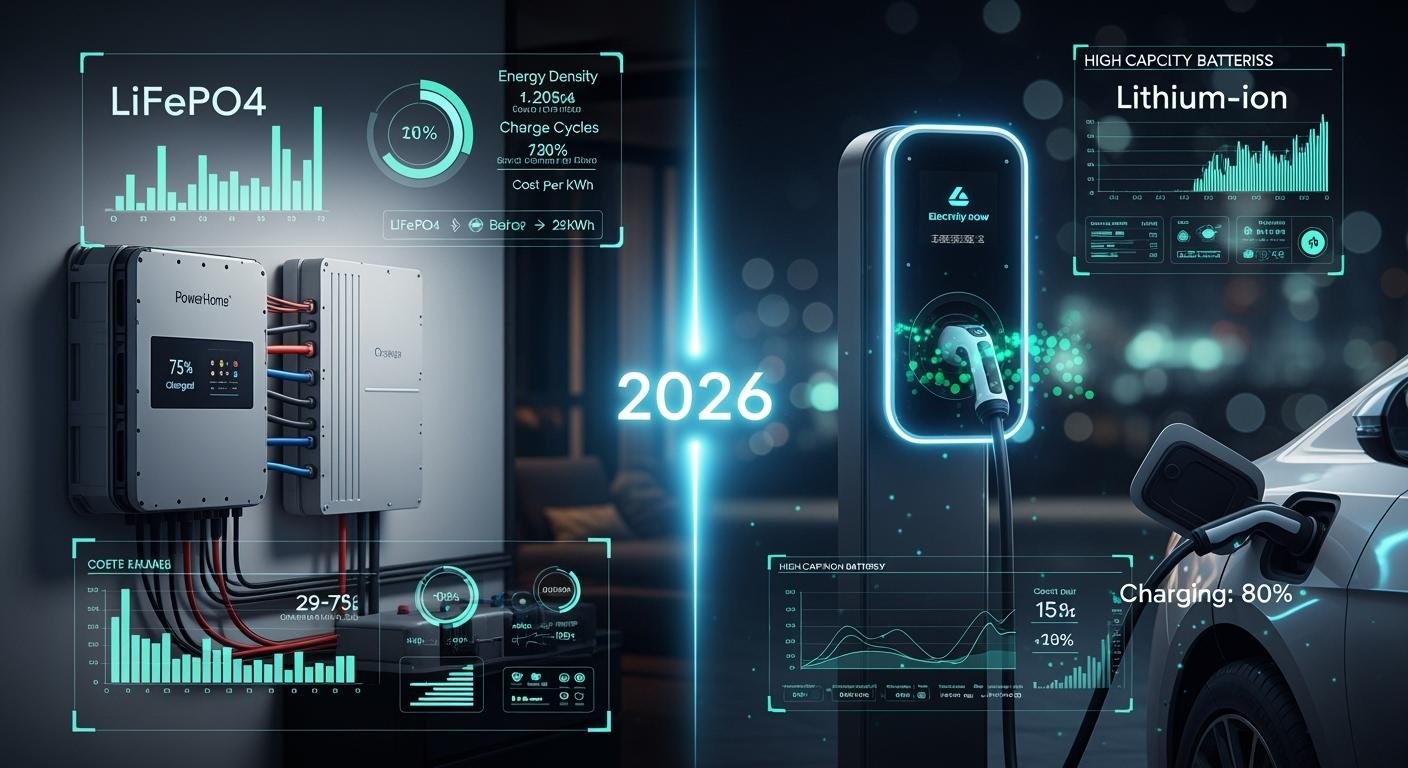
This guide provides a clear verdict in the LiFePO4 vs lithium-ion debate for 2026. Your choice between a LiFePO4 battery and a traditional lithium ion battery is a strategic investment. The decision depends entirely on your primary needs.
For applications where safety, long-term value, and durability are top priorities, LiFePO4 is the definitive choice. Conversely, for applications where maximum energy and minimal weight are non-negotiable, traditional lithium ion remains the leader.
Understanding the LiFePO4 vs lithium-ion matchup is crucial. Lithium Iron Phosphate Batteries make the LiFePO4 a smart investment for stability, while the compact power of lithium ion serves portable technology.
Core Differences in Lithium Iron Phosphate Batteries
Understanding the key distinctions between lithium iron phosphate batteries and traditional lithium-ion batteries is essential. Your choice depends on which features are most important for your application. The following head-to-head comparison breaks down what you need to know for 2026.
| 特点 | LiFePO4 (LFP) | Traditional Lithium-Ion (NMC/NCA) |
|---|---|---|
| 安全 | Exceptionally High | 中度 |
| 寿命 | 3,000 – 6,000+ Cycles | 500 – 1,000 Cycles |
| 能量密度 | 较低 | 更高 |
| 预付费用 | 更高 | 较低 |
| 长期价值 | Excellent | Fair |
| Environmental | Cobalt-Free, Lower Impact | Contains Cobalt, Higher Impact |
Safety and Thermal Stability
Battery safety is a top concern. Lithium iron phosphate batteries offer superior safety and thermal stability. The chemical structure of lithium iron phosphate is very stable. It can handle high temperatures without breaking down. A LiFePO4 battery’s thermal runaway point is around 300°C (572°F). This is much higher than traditional lithium-ion batteries, which can become unstable near 200°C (392°F). This excellent thermal stability means LiFePO4 is far less likely to overheat or catch fire, providing robust safety mechanisms.
Lifespan and Cycle Life of LiFePO4
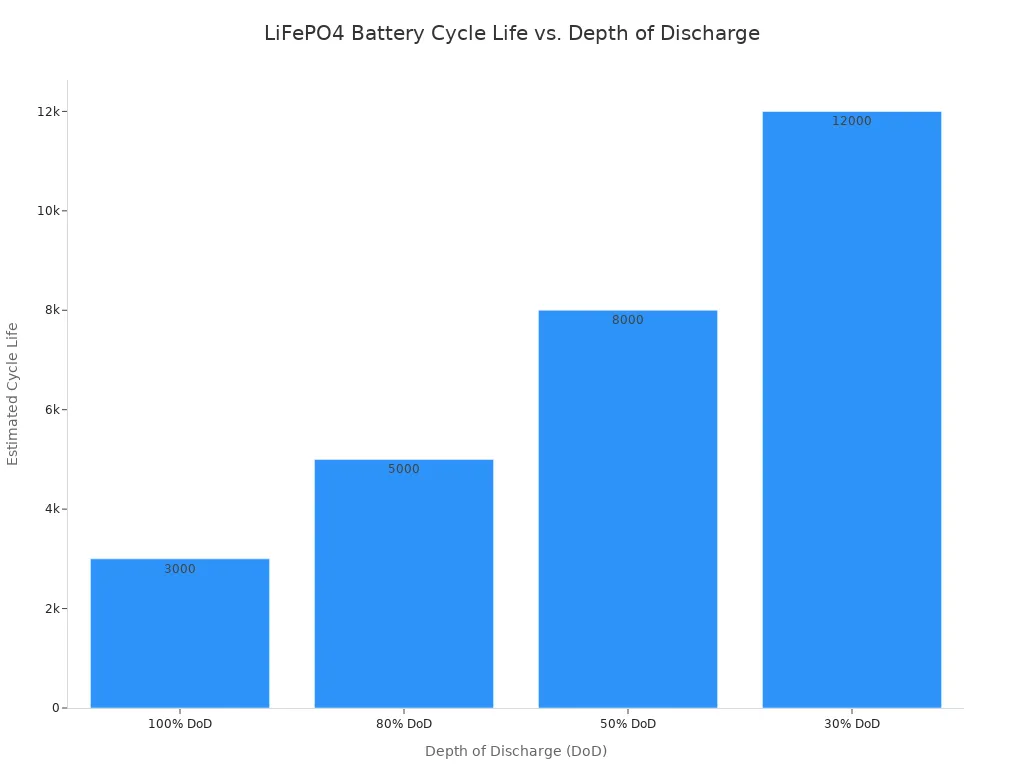
The long life of LiFePO4 is a major advantage. A typical LiFePO4 battery provides 3,000 to over 6,000 charge cycles. In contrast, a standard lithium ion battery offers only 500 to 1,000 cycles. For a LiFePO4 battery, a normal 80% depth of discharge gives you around 5,000 cycles. This long cycle life means the battery lasts for many years. LiFePO4 also ages very slowly, retaining up to 98% of its capacity even after a decade on the shelf. This extended life makes LiFePO4 a smart long-term investment.
Energy Density vs. Physical Size
Traditional lithium-ion batteries lead in energy density. They can store more energy in a smaller, lighter package. A lithium ion cell might offer 200-250 Wh/kg, while a LiFePO4 cell is closer to 160-180 Wh/kg. This makes lithium ion the best choice for portable devices like smartphones and drones where size and weight are critical. LiFePO4 batteries are bulkier for the same capacity.
Performance and Efficiency
Both battery types perform well, but with key differences. LiFePO4 batteries are highly efficient, with a round-trip efficiency of 92-97%. This means very little energy is lost during a charge and discharge cycle. They also have a very low self-discharge rate, losing only 2-3% of their charge per month. While both can charge quickly, some lithium ion chemistries can handle a faster charge. However, LiFePO4 operates well in a wider temperature range, though its power output drops significantly below freezing.
Cost and Long-Term Value
The initial cost of a LiFePO4 battery is often higher. However, its total cost of ownership is much lower. This is a crucial cost comparison.
Because of its extremely long cycle life, a single LiFePO4 battery can outlast multiple lithium-ion batteries. For a home energy system, you might replace a lithium ion battery three times over 15 years. A LiFePO4 system would need no replacements in that time. This durability makes lithium iron phosphate batteries a more economical choice over their entire life.
Environmental Impact and Recycling
Lithium iron phosphate batteries are a more environmentally friendly option. They are completely cobalt-free. Cobalt mining is linked to serious environmental damage and human rights issues. The materials in LiFePO4, iron and phosphate, are abundant and non-toxic. This makes lithium iron phosphate batteries safer to manufacture and easier to recycle compared to cobalt-based lithium-ion batteries.
2026 Applications and Suitability
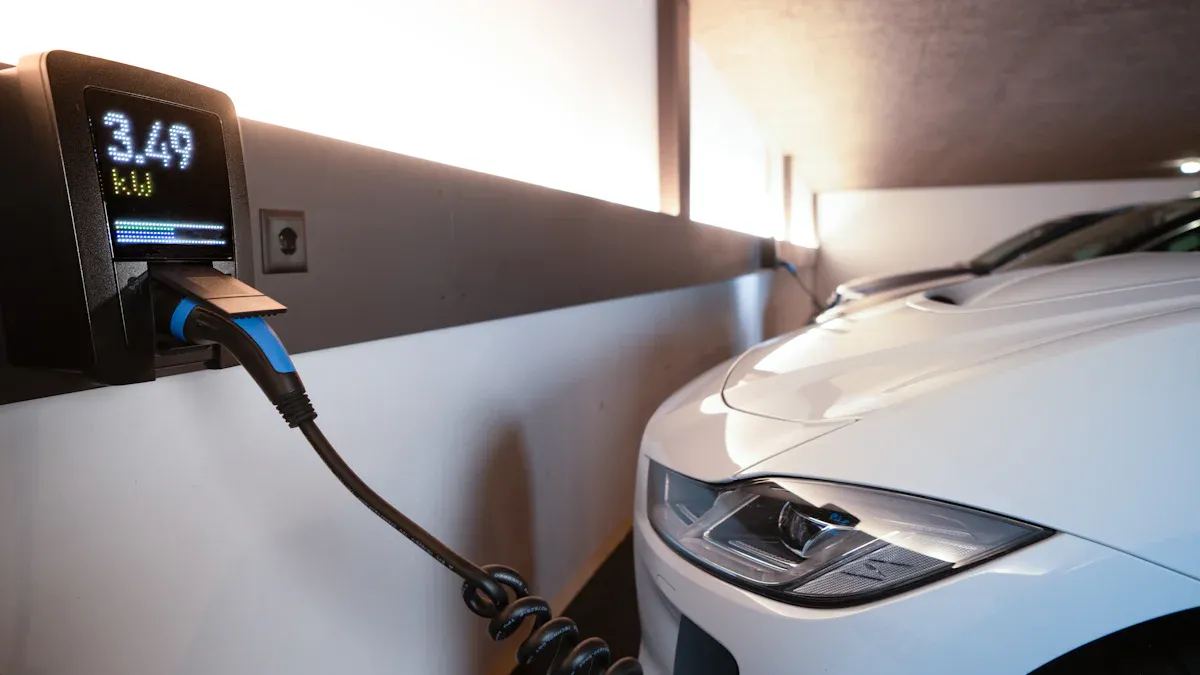
Choosing the right battery chemistry is a critical decision for 2026. The best choice depends entirely on the specific use case. This guide on applications and suitability will help you match the technology to your needs, whether you prioritize safety and longevity with LiFePO4 or compact power with traditional lithium ion.
Why Choose Lithium Iron Phosphate
You should choose a lithium iron phosphate battery when your top priorities are safety, a very long lifespan, and stable performance. A LiFePO4 battery is the ideal investment for applications where the battery will be used daily for many years. Its inherent chemical stability makes it the safest lithium option, while its incredible cycle life delivers unmatched long-term value. For large-scale power needs, LiFePO4 is the clear winner.
Home and Commercial Energy Storage
Safety is the most important factor for home energy storage. A LiFePO4 battery is the best choice for a residential solar battery system because it is extremely unlikely to overheat or catch fire. Its long lifespan of over 5,000 cycles means a single solar battery pack can last for 15-20 years. This makes LiFePO4 a “set it and forget it” solution for home energy storage.
Major companies are already using LiFePO4 for large-scale energy storage systems. This shows the industry’s trust in the technology.
| Company | Key LiFePO4 Applications |
|---|---|
| Tesla, Inc. | Powerwall (home energy storage), Megapack (utility-scale storage) |
| CATL | Grid-scale energy storage systems, commercial and residential use |
| BYD Co. Ltd. | Utility-scale and commercial battery storage |
| Fluence Energy | Grid-scale energy storage solutions and software |
| Enphase Energy | Microinverter-based solar battery systems for homes |
Standard Range EVs and Fleet Vehicles
Many electric vehicle makers are now using LiFePO4 batteries for their standard-range models. For daily commuting, the extreme range provided by energy-dense 锂离子电池 is not always necessary. LiFePO4 offers a lower cost and superior safety, making EVs more affordable and secure. For example, the upcoming 2026 Leapmotor C10, a mid-size SUV, will use a LiFePO4 battery pack. Fleet operators also prefer LiFePO4 for its durability and lower total cost of ownership over the vehicle’s life.
Marine, RV, and Off-Grid Systems
LiFePO4 is the perfect power source for mobile and independent living. In the confined space of an RV or boat, the superior safety of a lithium iron phosphate battery provides essential peace of mind. These systems also rely on a durable solar battery that can handle thousands of charge and discharge cycles.
Safety Tip: For RV and marine use, always choose a LiFePO4 battery that is certified to the UL1973 standard. This ensures it has passed rigorous tests for safety in mobile environments. Using a non-certified battery with a UL458-certified inverter can void compliance and create a significant safety risk.
| Standard | 应用 | Importance for RV/Marine |
|---|---|---|
| UL1973 | Batteries for stationary and mobile use | Essential. Certifies the battery itself is safe for thermal, electrical, and mechanical stress. |
| UL458 | Power inverters for mobile use | Requires a UL1973-certified battery to maintain system safety and compliance. |
Many trusted brands offer LiFePO4 batteries specifically for these applications:
- ECO-WORTHY: A popular choice for RV and marine use.
- Chins: Great for large solar battery setups in vans and campers.
- Power Queen: Excellent for solar energy storage on long trips.
- ExpertPower: A versatile option for RVs and solar installations.
Medical and Industrial Equipment
Hospitals and warehouses cannot afford power failures. Medical carts, backup power systems, and industrial vehicles need batteries that are reliable and safe. LiFePO4 batteries provide consistent power and have a long service life, reducing the need for frequent replacements. Their stability also makes them safe to use around sensitive equipment and people. Many modern warehouses have transitioned to using LiFePO4 for equipment like:
- Automated Guided Vehicles (AGV)
- Electric Forklifts
- Robotic Material Handlers
Why Choose Traditional Lithium-Ion
You should choose a traditional lithium ion battery when your primary goal is to get the most power in the smallest and lightest package possible. For portable electronics and high-performance vehicles, the higher energy density of 锂离子电池 is a requirement that LiFePO4 cannot currently meet.
Smartphones, Laptops, and Portables
Every ounce and millimeter matters in portable electronics. Traditional lithium ion batteries are the only option for devices like smartphones, tablets, and laptops. Their high energy density allows manufacturers to design thin, lightweight products that still offer all-day battery life. The goal here is maximum portability, making lithium ion the undisputed champion.
High-Performance and Long-Range EVs
For luxury and long-range electric vehicles, maximizing driving distance on a single charge is a key selling point. Traditional 锂离子电池 (like NMC and NCA chemistries) can store more energy in the same amount of space compared to LiFePO4. This allows automakers to achieve impressive range figures of 400 miles or more, a feat that is difficult with the bulkier lithium iron phosphate chemistry. The trade-off is higher cost and lower cycle life, but for the premium market, range is king.
Drones and Power-Dense Tools
Drones and cordless power tools need a massive amount of power in a lightweight package. A heavy battery would drastically reduce a drone’s flight time or make a power drill difficult to handle. The high energy density and excellent power output of traditional lithium ion cells are essential for these demanding applications. The focus is entirely on performance and weight, making lithium ion the only practical choice.
The Future Beyond 2026
The battery world is not standing still. Researchers are working hard to improve both LiFePO4 and traditional lithium ion technologies. The future beyond 2026 will see these chemistries evolve, closing some gaps and creating new possibilities.
Closing the Energy Density Gap
The main weakness of a LiFePO4 battery has always been its lower energy density. New research is changing this. Scientists are developing a new type of LiFePO4 chemistry called LMFP, or Lithium Manganese Iron Phosphate.
LMFP technology increases the energy density of a LiFePO4 battery by 10-20%. It achieves this by adding manganese, which raises the battery’s operating voltage to around 4.1 volts.
This makes the new LiFePO4 batteries more powerful without sacrificing their famous safety. Companies like Integrals Power are already creating second-generation LMFP materials. These new versions have lower internal resistance, which improves cycle life and performance. Researchers are using several methods to make these advanced LiFePO4 batteries even better:
- Doping the material with other elements
- Applying a carbon coating
- Optimizing the ratio of manganese to iron
These improvements mean future LiFePO4 batteries will be suitable for an even wider range of applications.
Improving Li-Ion Safety and Sustainability
The biggest challenges for traditional lithium ion batteries are safety and environmental impact. The industry is focused on solving these problems. A key innovation is the development of solid-state batteries. These batteries remove the flammable liquid electrolyte, which is a major cause of battery fires. This makes the high-energy lithium ion chemistry much safer.
At the same time, there is a strong push to create cobalt-free lithium ion batteries. Cobalt is expensive and its mining causes problems. Research projects like COBRA (Cobalt-Free Batteries for Future Automotive Applications) are creating new cathodes. They use more common materials like manganese and silicon. These efforts will make the powerful lithium ion battery safer and more sustainable for the future.
The LiFePO4 vs lithium-ion verdict for 2026 is clear. A LiFePO4 battery is the superior investment for applications needing safety and a long life. Traditional lithium ion will continue to power compact electronics where size is critical. The LiFePO4 vs lithium-ion choice depends on your goals. A LiFePO4 battery ensures durability and a long service life.
Your final decision requires a simple evaluation. Match your needs for safety, battery life, and size against the strengths of LiFePO4 and lithium ion to make a future-proof investment in LiFePO4 technology.
常见问题
Can I use a regular car battery charger on a LiFePO4 battery?
No, you should not. A LiFePO4 battery requires a specific charger. Regular chargers can damage a LiFePO4 battery. Always use a charger designed for the unique voltage and charging profile of a LiFePO4 cell to ensure safety and a long lifespan.
Is LiFePO4 better than lithium-ion for every application?
No. A LiFePO4 battery is best for applications needing extreme safety and a very long life, like home storage or RVs. Traditional lithium-ion is better for small, light devices like phones. The best choice depends on your specific needs for a LiFePO4 or other battery.
Why does a LiFePO4 battery cost more initially?
A LiFePO4 battery has a higher upfront cost due to its advanced chemistry and manufacturing process. However, the long-term value of a LiFePO4 battery is much greater. Its incredible lifespan means you will not need to replace your LiFePO4 battery for many years.
How do I choose a safe LiFePO4 battery for my RV?
Look for certifications! A safe LiFePO4 battery for mobile use should be certified to the UL1973 standard. This proves the LiFePO4 battery has passed strict safety tests. Using a certified LiFePO4 battery provides essential peace of mind on the road.
 EN
EN ES
ES FR
FR DE
DE RU
RU ZH
ZH