

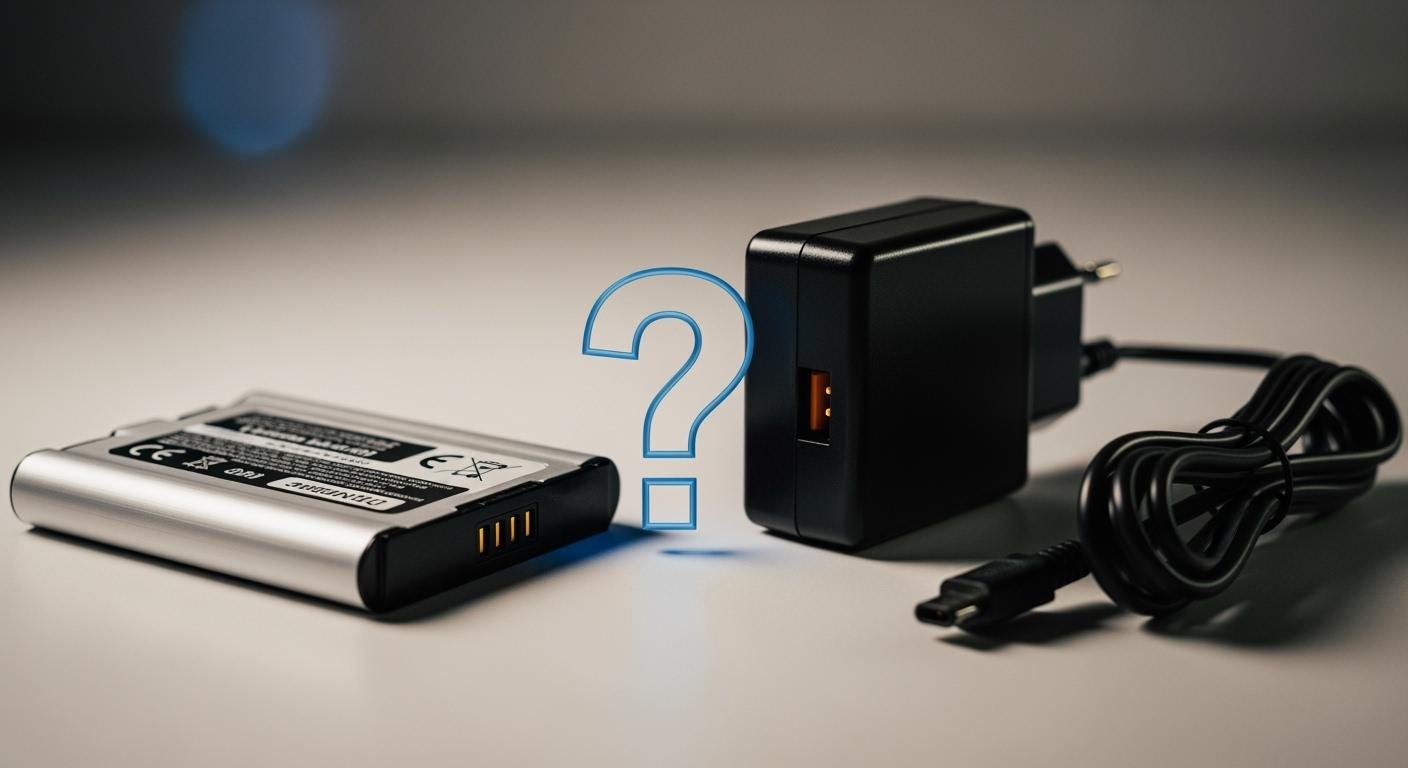
No, using a normal charger for lithium batteries is not recommended.
Using a standard lead-acid battery charger is a costly mistake. It can damage a lithium battery and create safety risks. The market share for lithium batteries has grown significantly, making proper care essential.

The technologies to charge each battery type are fundamentally different. The right charger protects a user’s investment in a modern lithium battery.
Why a normal charger fails lithium batteries
A normal charger designed for lead-acid batteries fails because it does not speak the same language as a lithium battery. Their internal chemistries are worlds apart, which means they have completely different charging requirements. Using the wrong charger is like trying to fill a gasoline car with diesel fuel—it might seem to fit, but the internal mechanics will not handle it correctly.
Different chemistries, different rules
The core technical mismatch lies in the charging profile. Lithium batteries require a lithium specific charge profile known as Constant Current/Constant Voltage (CC/CV). In this process, the charger supplies a steady current until the battery reaches a specific voltage. Then, it holds that voltage constant while the current gradually drops to near zero. This method is highly efficient due to the unique charging characteristics of lithium.
"(《世界人权宣言》) 内阻 of a battery plays a huge role here.
- Lithium batteries: Have a very low and stable internal resistance. This allows them to accept a high, constant current for most of the charge cycle without overheating.
- Lead-acid batteries: Have a much higher internal resistance that changes as they charge. Pushing a high current into them generates significant heat and energy loss.
Because of this difference, lead-acid chargers use a more complex, multi-stage charging profile that is simply incompatible with the needs of a lithium battery.
The danger of equalization mode
Many advanced lead-acid chargers include an “equalization” mode. This stage is designed to fix imbalances in lead-acid cells by applying a controlled overcharge, often raising the voltage to 14.4V or even higher for at least an hour. While beneficial for lead-acid chemistry, this process is extremely dangerous for lithium batteries.
Applying such a high voltage to a lithium battery can cause irreversible damage to the cells. The battery’s internal Battery Management System (BMS) will identify this high voltage as a critical threat. In response, the BMS will likely trigger an overvoltage shutdown to protect the battery from a catastrophic failure. Attempting to charge deep cycle lithium batteries with a charger that has an automatic equalization mode is a recipe for problems.
Important Tip 📝 If using a solar charge controller or an advanced charger with adjustable settings, the equalization feature must be set to “Disabled” when charging lithium batteries. This single step prevents significant damage.
Voltage mismatches and undercharging
Even if a lead-acid charger lacks a destructive equalization mode, it will still fail to charge a lithium battery properly due to voltage differences. A 12V lithium iron phosphate (LiFePO4) battery, a common type of deep cycle lithium batteries, has very precise voltage needs.
To reach 100% capacity, it requires a charge up to its optimal voltage.
| Charging Type | 12V LiFePO4 Battery |
|---|---|
| Bulk Charge Voltage | 14.6V |
| Equalize Charge Voltage | 14.6V |
Most standard chargers for lead-acid batteries do not reach this target. They are often designed to drop to a lower “float” voltage (typically 13.5V to 13.8V) once the battery is mostly full. This float charge is meant to keep a lead-acid battery topped off, but for a lithium battery, it is simply not enough voltage to complete the charge.
This mismatch leads to chronic undercharging. Each time a user connects the wrong charger, the battery never reaches its full capacity. This constant state of undercharge degrades the battery’s health over time, leading to:
- A significant loss of usable capacity.
- A drastically reduced lifespan and fewer charge cycles.
- Poor performance, as the battery cannot deliver its rated power.
Ultimately, the different charging characteristics mean that a standard charger cannot meet the strict demands of charging lithium batteries, putting the investment and its performance at risk.
Risks of using the wrong battery charger

Using an incompatible battery charger does more than just undercharge a battery. It introduces significant risks that compromise the performance, lifespan, and safety of expensive lithium batteries. These dangers stem directly from the mismatch in charging technology.
Reduced performance and lifespan
A user invests in a lithium battery for its superior performance and long life. Using the wrong charger actively undermines both of these benefits. The damage is not always immediate but accumulates over time, leading to a steady decline in health.
Improper charging, especially overcharging, causes permanent harm to the internal structures of the battery. Forcing too many lithium ions into the negative electrode can damage its delicate layers. This damage prevents some ions from being released later. Over time, this process degrades the battery’s ability to store and deliver power effectively. This results in two major problems:
- 容量较低: The degraded battery cannot store as much energy, which means it will not last as long on a single charge.
- Reduced power capability: The battery also absorbs and releases energy more slowly. This happens because its internal resistance increases, generating more heat and reducing efficiency.
Consistently using a charger with the wrong voltage profile drastically shortens the battery’s service life. For example, charging a lithium-ion cell to just 4.35V instead of its specified 4.20V can reduce its total cycle life by as much as 50%. Each incorrect charge session chips away at the battery’s longevity.
Overheating and safety hazards
Perhaps the most serious risk is the threat of overheating and fire. Lithium batteries are very sensitive to voltage. A lead-acid charger that enters an equalization mode or fails to shut off can continuously apply a high voltage. This overcharging condition causes the battery’s internal resistance to increase, which generates a significant amount of heat.
If this heat cannot escape, it can trigger a dangerous chain reaction called 热失控. This process is self-sustaining and unfolds in terrifying stages:
- Rapid Temperature Increase: Internal chemical reactions begin creating their own heat, causing the cell’s temperature to skyrocket, sometimes past 1000°C.
- Gas Venting: The intense heat breaks down materials inside the battery, releasing flammable gases. Pressure builds until the cell casing ruptures, venting hot gas and smoke.
- Fire and Explosion: These flammable gases can ignite, leading to a fire that is extremely difficult to extinguish. The battery itself can supply oxygen to fuel the flames.
Safety experts emphasize that thermal management is a critical part of battery design. David Ginder from Acculon Energy states, “safety begins in the design phase of your battery program, including everything from cell selection to thermal management.” This highlights why using a charger that respects the battery’s thermal limits, as certified by standards like IEC 60335-2-29, is non-negotiable.
Waking a protected lithium battery
Modern lithium batteries contain a built-in computer called a Battery Management System (BMS). One of its key jobs is to protect the cells from damage. If a lithium battery is discharged too much, its voltage can drop to a critically low level. To prevent permanent damage, the BMS will enter a “protection mode.”
- The BMS activates a Low-Voltage Disconnect (LVD).
- It shuts down all battery functions to prevent further discharge.
- The battery essentially goes to sleep to protect itself.
Herein lies another problem. A sleeping lithium battery needs a specific signal to wake up and accept a charge. Many standard chargers are not equipped for this task. They often try to initiate the charge with a high current. The BMS sees this high current as a potential threat and keeps the battery locked in protection mode. The charger fails to charge the battery, and the user may mistakenly think the battery is dead.
A dedicated lithium battery charger, however, often includes a special boost or recovery mode. This feature applies a very low, gentle current to the battery. The BMS recognizes this low current as a safe “wake-up” signal, disengages the protection mode, and allows the normal charge cycle to begin.
The dedicated lithium battery charger solution
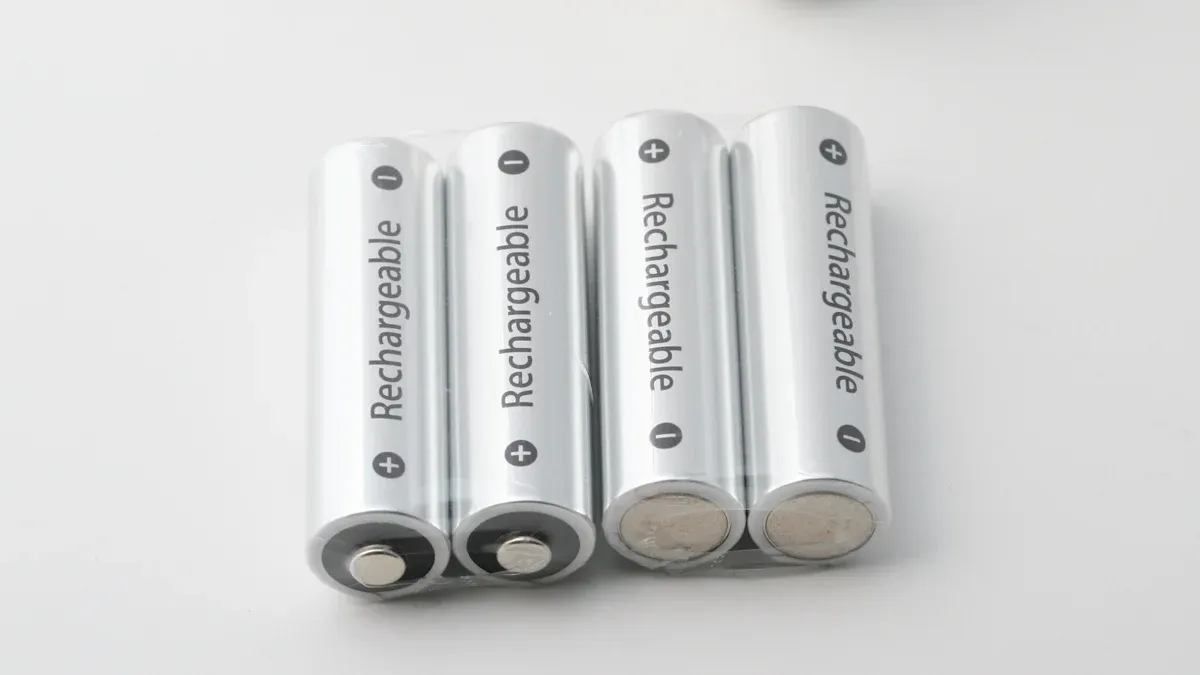
The safest and most effective way to charge deep cycle lithium batteries is with a dedicated lithium battery charger. These chargers are engineered specifically for the unique needs of lithium chemistry. They provide a precise charge that protects the battery, maximizes its lifespan, and ensures it reaches 100% capacity every time. A high-quality lithium battery charger is an essential tool for any lithium battery owner.
The correct CC/CV charging profile
A dedicated charger uses the exact Constant Current/Constant Voltage (CC/CV) algorithm. This process provides optimized lithium charging in two main stages.
- Constant Current (CC): The charger delivers a steady current. The battery’s voltage rises until it reaches its target, typically between 14.2V and 14.6V for 12V deep cycle lithium batteries.
- Constant Voltage (CV): The charger holds the voltage at that peak level. The current then gradually drops. The charge is complete when the current falls to a very low level.
This controlled method prevents overcharging. It allows lithium ions to settle safely into the anode without causing stress or damage. Unlike lead-acid chargers, lithium compatible chargers have no harmful equalization or float modes. This precise charge protects the delicate internal structure of deep cycle lithium batteries.
Charging deep cycle lithium batteries
Different deep cycle lithium batteries have unique charging capabilities. Manufacturers provide specifications for the best charge. Using recommended battery chargers ensures both speed and safety. For example, a smaller 12V 23Ah battery might take 8 hours to charge with a 3A charger. A larger 12V 100Ah battery needs about 10 hours with a 10A charger. Faster chargers are available, but users should always follow manufacturer guidelines to protect their deep cycle lithium batteries.

The right charger helps a user get the most out of their deep cycle lithium batteries.
| Dakota Lithium Battery | Recommended LiFePO4 Charger & Charge Time |
|---|---|
| 12V 23Ah Battery | 12V 3A LiFePO4 charger (8 hrs) |
| 12V 54Ah Battery | 12V 10A LiFePO4 charger (5.4 hrs) |
| 12V 100Ah Battery | 12V 10A LiFePO4 charger (10 hrs) |
| 12V 200Ah Battery | 12V 10A LiFePO4 charger (20 hrs) |
Working in sync with the BMS
Modern lithium compatible chargers work together with the battery’s internal computer, the BMS. This teamwork is critical for a safe and efficient charge.
The BMS constantly monitors cell voltage, current, and temperature. It sends this data to the charger. Advanced chargers use protocols like CANbus to receive this information. The charger can then adjust its output in real time.
For instance, the BMS can tell the charger to reduce the current if a cell gets too warm. This dynamic process prevents overheating and helps balance the cells during the charge. This smart communication ensures the long-term health of deep cycle lithium batteries. It is a key reason why a standard charger cannot compare to a dedicated system designed for deep cycle lithium batteries. The correct charge is vital for deep cycle lithium batteries.
For safety and performance, a dedicated charger is essential for any lithium battery. Using a normal charger is a risky compromise. It undermines the benefits of investing in advanced lithium technology. The small cost of a proper charger is minor compared to replacing a damaged lithium battery.

Warranty Warning ⚠️ Manufacturers often void a battery’s warranty if damage results from a non-approved charger. Always use a charger that matches your battery’s specifications to protect your investment.
常见问题
Can I use a trickle charger on a lithium battery?
A user should not use a trickle charger on a lithium battery. These batteries hold their charge well and do not need constant topping off. A continuous trickle charge can overstress the cells, leading to a shorter lifespan and potential damage.
Is it safe to charge a lithium battery in the cold? 🥶
Charging a lithium battery below freezing (32°F or 0°C) is unsafe. This action can cause permanent internal damage, a condition known as lithium plating. A battery’s BMS will often prevent charging in cold temperatures to protect the cells from harm.
Can I leave my lithium battery on the charger?
Yes, a user can leave a lithium battery connected to a dedicated lithium charger. These smart chargers automatically shut off when the battery is full. They do not use a continuous float charge, which protects the battery from overcharging and keeps it healthy.
What if I must use a lead-acid charger in an emergency?
This is highly discouraged due to safety risks. If a user has no other option, they must use a charger that does not have an automatic “equalization” mode. The user should monitor the voltage carefully and disconnect the charger immediately once it is done.
 EN
EN ES
ES FR
FR DE
DE RU
RU ZH
ZH