

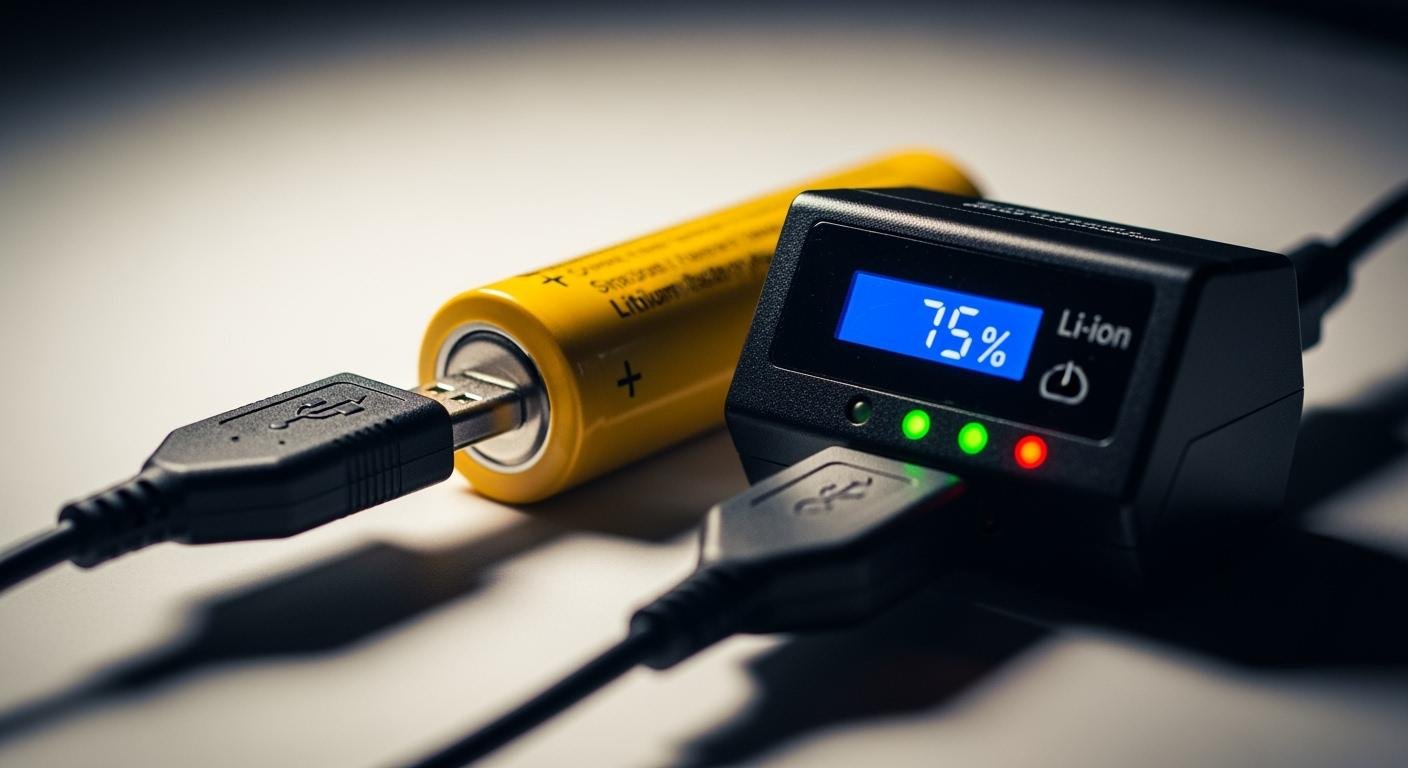
Do your li-ion batteries really need a special charger? Yes, for optimal performance and critical safety. A generic charger might seem to work, but it poses a significant risk. Using the wrong charger can damage your lithium battery, shorten its life, and create serious safety hazards. A dedicated lithium battery charger is essential.
Shockingly, 43% of recent lithium battery incidents occurred while the device was connected to a charger. Your safety depends on using a specific charger.
The market for the lithium battery charger is projected to exceed USD 43 billion by 2032. This growth highlights the importance of proper safety. A dedicated lithium battery charger is your best protection.
Risks of Using the Wrong Charger
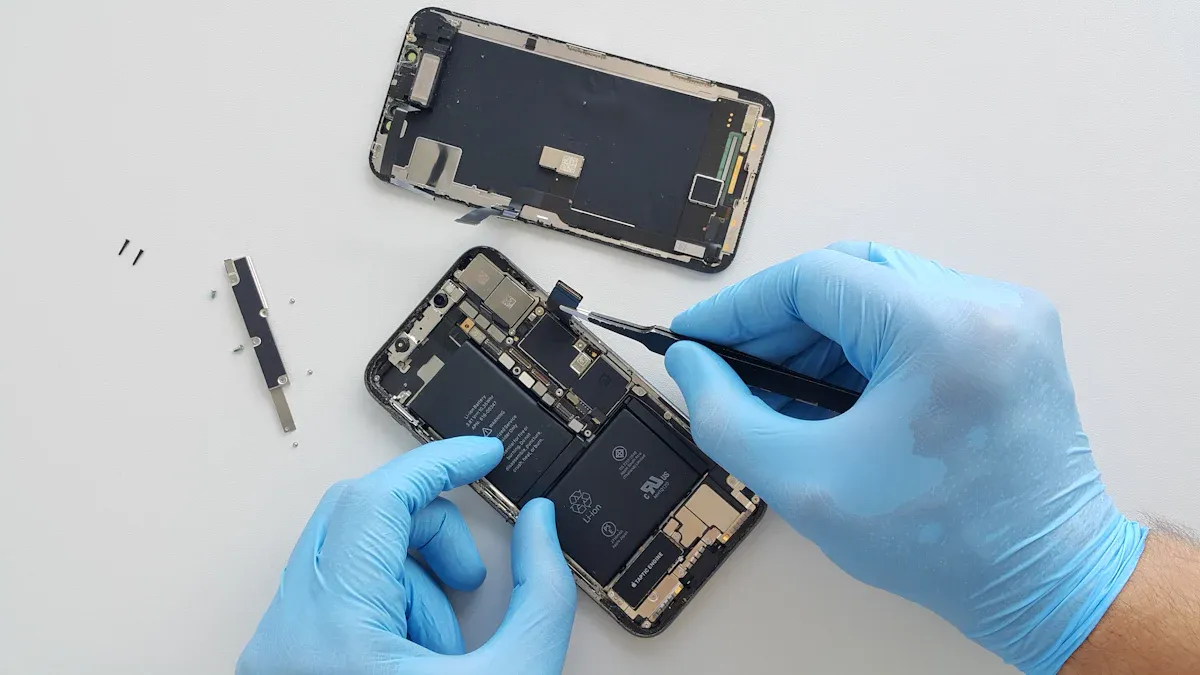
Using a generic or incompatible charger for your lithium batteries is not just a bad idea; it’s a dangerous gamble. You risk damaging your expensive equipment and, more importantly, compromising your safety. Let’s explore the specific hazards you introduce when you don’t use the correct charger.
Overcharging and Thermal Runaway
The most severe risk of using the wrong charger is overcharging. Lithium batteries require a precise charging process. A non-lithium charger can push too much energy into the battery after it is already full. This overcharging causes the battery’s internal temperature and voltage to rise continuously.
This process can trigger a dangerous chain reaction called thermal runaway. Scientific studies show that overcharging causes internal chemical and physical changes that generate immense heat. This heat can’t escape, leading to a self-sustaining cycle that can end in a fire or explosion.
A fire in a residential energy storage system started with hissing sounds and smoke before escalating. The investigation identified thermal runaway from an electrical fault as the cause. Similarly, a warehouse fire that caused over $3 million in damages began when a lithium-ion battery for a leaf blower exploded while on a fast-acting charger.
These incidents highlight a critical point: proper charging is your first line of defense against catastrophic failure. The safety of your home and property depends on it.
Incorrect Voltage and Current
Every lithium battery is designed for a specific voltage and current. Different lithium chemistries, like Lithium Iron Phosphate (LFP) and Nickel Manganese Cobalt (NMC), have unique requirements. A 2024 analysis showed that 62% of charging-related incidents involved incompatible chargers that supplied the wrong voltage.
| 规格 | LFP Battery | NMC Battery |
|---|---|---|
| 额定电压 | 3.2V | 3.60V or 3.70V |
| Charge Voltage Cut-off | 3.60V – 3.65V | 4.20V – 4.25V |
Using a charger with the wrong voltage permanently damages your li-ion batteries. This is due to the ‘barrel theory,’ which states a battery pack is only as strong as its weakest cell. Incorrect voltage creates an imbalance, causing one cell to wear out faster. Your battery’s management system will then shut down the entire pack prematurely to protect that weak cell, even if other cells are still full. This permanently reduces your battery’s usable capacity.
Similarly, the wrong current can cause a host of problems:
- Accelerated Degradation: The wrong current wears out your battery faster, shortening its lifespan.
- Component Failure: Power surges from a low-quality charger can fry sensitive electronics inside your device.
- Data Loss: Unstable power can corrupt or erase important data during charging.
Damage from Lead-Acid Charger Modes
You should never use a charger designed for lead-acid batteries to charge your lithium batteries. These two battery types have fundamentally different charging needs. A 12V lead-acid charger typically charges between 13.8V and 14.4V. A 12V lithium battery system, however, requires a charge of around 14.4V to 14.6V.
While the numbers seem close, the charging methods are very different. Lead-acid chargers often include “equalization” or “desulfation” modes. These modes send high-voltage pulses to the battery. This is beneficial for lead-acid chemistry but is extremely dangerous for a lithium battery. These voltage spikes will damage the sensitive cells and can easily lead to overcharging and failure. Using a lead-acid charger on li-ion batteries is a recipe for disaster.
Confusing a Lithium Battery BMS
Your lithium battery contains a vital safety component: the Battery Management System (BMS). The BMS is the battery’s brain. It protects each individual cell from high and low voltage, monitors temperature, and ensures overall safety.
An incompatible charger bypasses or confuses the BMS. The charger might not “speak the same language” as the BMS, preventing it from performing its protective functions. For example, if a lithium battery is in a deep sleep mode to protect it from over-discharging, the wrong charger may not provide the correct voltage signal to wake it up safely.
Warning: Bypassing the BMS by using an incompatible charger removes all safety protections. Without the BMS, cells can become imbalanced, the risk of thermal runaway increases dramatically, and the battery’s lifespan is severely shortened. You are essentially charging a powerful battery with no safety net.
How a Special Charger Protects Li-ion Batteries
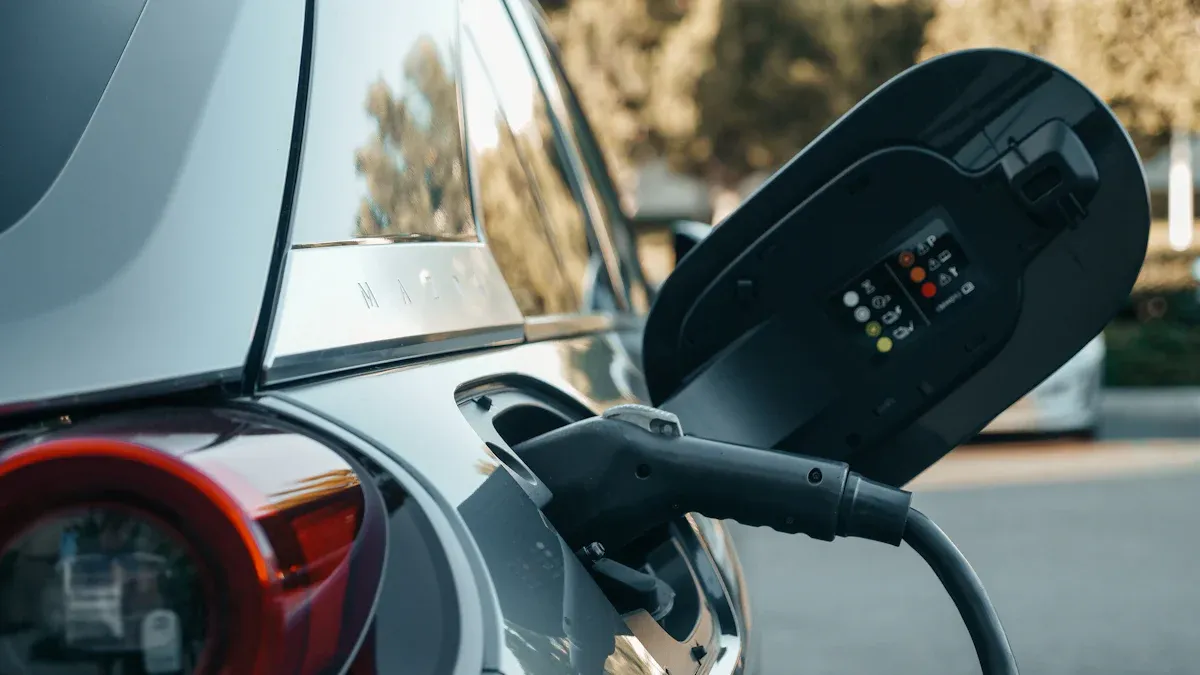
Now that you understand the dangers, let’s explore how a dedicated lithium battery charger acts as your battery’s guardian. These smart devices do more than just supply power. They manage the entire charging process with precision, offering layers of protection that generic chargers lack. Using the right charger is the single best step you can take to ensure the longevity and safety of your lithium batteries.
Precise Charging Control
A dedicated lithium battery charger uses a highly specific charging algorithm called Constant Current/Constant Voltage (CC/CV). This two-stage charging process is tailored for the unique chemistry of lithium batteries.
- Constant Current (CC) Phase: The charger begins by supplying a steady, controlled current. This quickly and efficiently raises the battery’s charge until its voltage reaches a preset limit, typically around 4.2 volts per cell for a lithium-ion battery.
- Constant Voltage (CV) Phase: Once the voltage peak is reached, the charger switches its strategy. It holds the voltage constant at that safe peak. During this phase, the lithium battery itself controls the current it draws. As the cells fill up, the current naturally tapers off. The charge is complete when the current drops to a very low level.
This CC/CV method is the key to preventing overcharging. The charger never forces excess voltage into a full battery. This precise control is a fundamental form of protection that safeguards the health of your lithium batteries.
Cell Balancing for Lithium Batteries
Your lithium battery pack is made of multiple individual cells connected together. For your battery to work correctly, all these cells must have a similar state of charge. When some cells are more charged than others, it creates an imbalance. This imbalance reduces your battery’s total usable capacity and can lead to dangerous conditions.
A dedicated lithium battery charger works with the BMS to perform cell balancing. This ensures all cells charge and discharge uniformly. There are two main methods:
| 特点 | 被动平衡 | 主动平衡 |
|---|---|---|
| Mechanism | Bleeds excess energy from fuller cells as heat. | Moves energy from fuller cells to less-full cells. |
| 效率 | Wastes a small amount of energy. | Highly efficient; recycles energy. |
| 最适合 | Smaller battery packs with consistent cells. | Larger, high-performance battery packs. |
⚖️ Why Balancing Matters: An unbalanced lithium battery degrades faster. In severe cases, a weak cell can be over-discharged, creating a risk of thermal runaway. Cell balancing is a critical safety feature that extends the life of your li-ion batteries and provides essential protection. Studies show that regular balancing maximizes capacity, improves reliability, and significantly extends the lifespan of your battery pack.
Built-in Safety Mechanisms
Beyond smart charging algorithms, a quality charger is packed with safety features that provide a robust defense against failure. These systems work together to monitor the charging process and intervene if anything goes wrong. When you choose a charger, you are also choosing its level of safety.
A proper charger for lithium batteries includes multiple layers of protection:
- 过压保护: Automatically stops the charge if the voltage becomes too high.
- 过流保护: Prevents the charger from sending too much current to the battery.
- 短路保护: Shuts down the charger if it detects a short circuit, preventing damage and fire.
- Reverse Polarity Protection: Protects the battery and charger if you accidentally connect the terminals incorrectly.
Temperature monitoring is another vital safety function. A sensor in the charger or battery constantly checks the temperature. If your lithium battery gets too hot during the charge, the charger will automatically reduce the power or pause the charging process entirely until it cools down. This prevents overheating, which is a primary cause of battery damage.
🔌 Charger and BMS: A Team Effort A smart charger communicates directly with your battery’s BMS using protocols like CAN, SMBus, or UART. This digital conversation allows the charger to get real-time data on cell voltage, temperature, and state of charge. This teamwork ensures the most efficient and safest charge possible. To guarantee your charger has these protections, look for certifications from recognized bodies like UL (Underwriters Laboratories) and IEC (International Electrotechnical Commission).
Using a specific charger for your li-ion batteries is a critical step for safety and performance. The wrong charger causes overheating and damages your lithium batteries. A dedicated lithium battery charger offers precise control and vital safety features for your lithium batteries.
Always invest in a certified, dedicated lithium battery charger. Match the charger to your lithium battery’s needs to protect your equipment and ensure your safety. This is the best way to care for your lithium batteries.
常见问题
Can I use my phone charger for other lithium devices?
No, you should not. Your phone charger has a specific voltage and current for your phone’s battery. Using it on another device can cause slow charging or damage the battery. You should always use the charger that came with your device for the best safety and performance.
What happens if I leave my battery on its special charger?
A dedicated lithium charger is smart. It automatically stops charging when your battery is full. This feature prevents overcharging and protects your battery’s health. You can safely leave it connected. A generic charger might not have this essential safety function.
How do I find the right charger for my battery?
Check your battery’s label for its voltage (V) and amp-hours (Ah). Your charger’s specifications must match these numbers. You can also look for chargers with safety certifications like UL. When in doubt, always buy the charger from the battery’s original manufacturer.
Is it ever safe to use a lead-acid charger on a lithium battery?
Never. 🚫 Lead-acid chargers use high-voltage pulses that will permanently damage lithium cells. This creates a severe risk of fire or explosion. The danger is too high, even for a single emergency charge. You must always use a lithium-specific charger.
 EN
EN ES
ES FR
FR DE
DE RU
RU ZH
ZH