


Most lithium-ion batteries in consumer electronics last for 300 to 500 charge cycles. This equals about three to five years of use. However, this lifespan can vary; modern smartphones often exceed 800 cycles. Your battery pack last its longest when you follow a few key habits.
小贴士 You can significantly extend your battery’s life with these simple practices:
- Keep the charge level between 20% and 80%.
- Avoid exposing your device to extreme heat or cold.
- Always use the correct charger for your device.
Charging Habits: Make Your Battery Pack Last
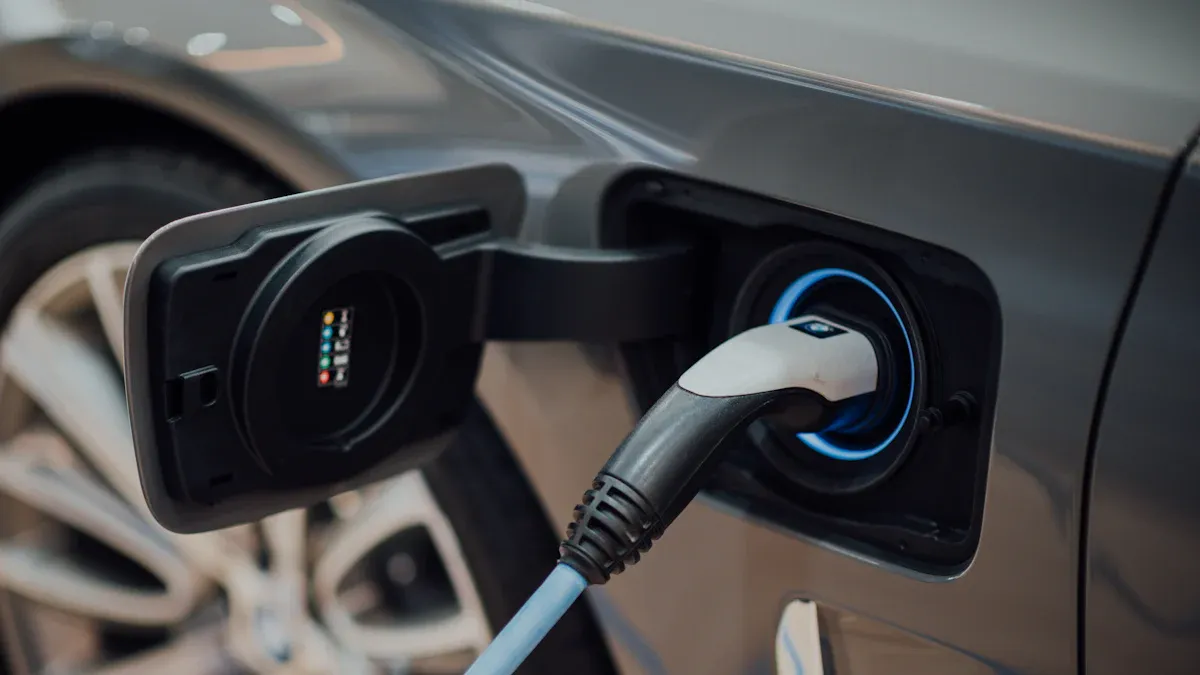
Your daily habits directly control how long your battery pack last. The lifespan of a battery varies greatly depending on its type and quality. For example, a good power bank might last two to three years. In contrast, an electric car battery is built for endurance and can last 10 to 20 years.
To understand battery health, you need to know about charge cycles. A charge cycle is not just plugging your device in. One cycle equals using 100% of the battery’s capacity. You could use 70% one day and 30% the next. Together, that completes one full charge cycle. Following good habits can maximize the number of cycles you get.
The 20-80% Charging Rule
You can improve battery longevity by keeping your device’s charge between 20% 和 80%. This simple habit keeps the battery in a low-stress state. Charging to 100% puts high pressure on the battery’s internal parts. Draining it to 0% makes other parts unstable. The 20-80% range avoids these extremes. This practice prevents components from being pushed to their limits.
Did You Know? Keeping your battery in this sweet spot has a huge impact. Studies show a dramatic difference in long-term health.
| Charging Habit | Capacity Retention After 1,000 Charges |
|---|---|
| Consistently 20-80% | 95% |
| Regularly 0-100% | 70% |
Why the Right Charger Matters
You should always use the charger that came with your device or a certified alternative. Original chargers, often called OEM chargers, are designed specifically for your battery. They provide the correct voltage and current.
Third-party chargers might seem like a good deal, but they can cause problems.
- 过热: An incorrect charger can make your device get too hot. Tests show authentic chargers run cooler. For example, an official Samsung charger might peak at 38°C, while a generic one could reach 44°C. This extra heat slowly degrades your battery.
- Damage: Using the wrong charger can supply too much power. This damages the battery’s internal structure and increases safety risks.
- Poor Performance: Many non-authentic chargers deliver inconsistent power. They may charge slower or fail to support fast-charging features, risking damage to your device.
Using the right charger is a simple step to protect your investment and ensure your battery pack last as long as possible.
The Myth of Overnight Charging
Many people worry about charging their phones overnight. You might think it overcharges the battery. However, modern smartphones are smart enough to prevent this. They contain a 电池管理系统 (BMS).
The BMS is like a brain for your battery. It monitors the charge level and stops the current once the battery is full. Many phones also have an “Optimized Battery Charging” feature. This system learns your daily routine.
- It charges the battery to 80% quickly.
- It then pauses charging for most of the night.
- It finishes charging to 100% just before you usually wake up.
This process reduces the time your battery spends at a stressful 100% charge. It is much healthier for lithium-ion batteries than older “trickle charging” methods, which are not safe for this battery chemistry.
| 特点 | Standard Charging | Optimized Battery Charging |
|---|---|---|
| Overnight Behavior | Stays at 100% for hours, causing stress. | Pauses at 80% and finishes just before you wake up. |
| Heat Generated | Higher, especially during the last 20%. | Lower, because charging is managed and timed. |
| Battery Lifespan | Wears out faster due to long-term stress. | Slows down aging, extending the battery life span. |
How Long Does a Power Bank Last?
So, how long does a power bank last? The average lifespan for most portable chargers is between two and four years. Their life is also measured in charge cycles. A standard power bank is typically rated for 300-500 cycles. Higher-quality models can endure 800 to 1,000 cycles before their capacity drops significantly. If you ask, “how long does a power bank last?”, the answer depends on its quality and how you use it.
This contrasts sharply with an electric car battery. People often wonder, “how long does an ev battery last?” These advanced lithium-ion batteries are designed for extreme durability, often lasting 15 to 20 years and covering hundreds of thousands of miles. Automakers even provide warranties guaranteeing at least 70% capacity for 8 to 10 years.
Temperature’s Impact on Battery Longevity
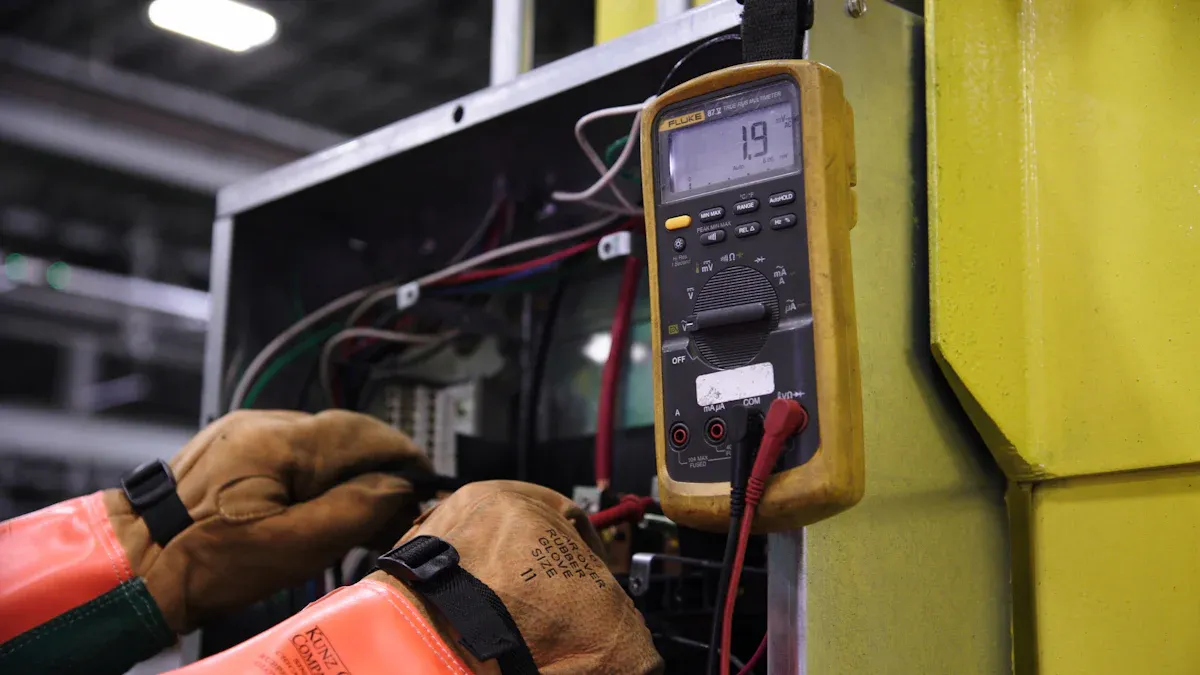
Temperature plays a huge role in your battery’s health and lifespan. Both extreme heat and cold can cause significant damage. You can improve battery longevity by keeping your devices within a safe temperature range.
Avoid Extreme Heat to Preserve Capacity
Heat is one of the biggest enemies of lithium-ion batteries. High temperatures accelerate the chemical reactions inside, causing the battery to degrade much faster. This leads to a permanent loss of capacity.
警告 Never leave your phone, laptop, or power bank in a hot car. Tests show that exposing batteries to temperatures over 160°F causes rapid performance decline. Even batteries designed for heat resistance wear out faster under these conditions. The extra heat slowly ruins your battery’s ability to hold a charge.
Keeping your device cool is essential. You should avoid direct sunlight for long periods and ensure your device has good ventilation while charging or performing intensive tasks.
Protect From Cold to Maintain Performance
Cold weather also presents serious risks to your battery. While heat causes permanent degradation, cold primarily affects performance and can cause damage if you are not careful. Batteries operate best between 32°F and 95°F. Below freezing, the internal components slow down, and you will notice your battery drains much faster.
The real danger comes from charging a frozen battery. Attempting to charge a device below 32°F (0°C) can cause irreversible damage.
- Lithium Plating: Instead of storing energy safely, lithium ions can form a metallic coating on internal parts. This permanently reduces capacity.
- Slower Reactions: The cold thickens the battery’s electrolyte, which slows down the chemical reactions needed for charging.
- Permanent Damage: Studies show that charging a battery at 0°C can cause it to lose over 35% of its capacity in just 132 cycles.
Always let your device warm up to room temperature before you plug it in. This simple step protects it from lasting harm.
Usage and Storage for a Longer Life
How you use and store your devices also affects how long your battery pack last. Proper storage and smart usage habits can make a big difference in the long run.
Ideal Storage: The 50% Charge Rule
You should store your devices at a 50% charge if you will not use them for a long time. Storing lithium-ion batteries at 100% charge puts them under constant stress. This stress, especially when combined with heat, causes permanent capacity loss. Storing a battery at a low charge is also harmful.
专业提示 Before storing a device for weeks or months, charge or discharge it to around 50%. Then, store it in a cool, dry place.
The data below shows how storage conditions impact battery health over one year.
| Storage Condition (Charge % / Temperature) | Annual Capacity Loss |
|---|---|
| 100% / Room Temperature | ~20% |
| 100% / 40°F | ~5% |
| 30% / 40°F | ~2% |
Understanding Charge Cycles vs. Daily Life
You can improve battery longevity by using shallow discharge cycles. This means you use only a small portion of the battery’s capacity before recharging it. This practice minimizes stress on the battery’s internal parts. A deep discharge, where you use most of the battery’s power, wears it out much faster.
For example, a solar energy system often uses partial cycles. It might charge during the day and discharge slightly at night, cycling between 60% and 40%. This is much healthier than draining it completely every day. Shallow cycles dramatically increase the total number of cycles a battery can handle.
| 排放深度 (DoD) | Estimated Cycle Life |
|---|---|
| 100% (Full Discharge) | 3,000+ |
| 50% (Partial Discharge) | 8,000+ |
| 30% (Shallow Discharge) | 12,000+ |
Using smaller portions of your battery’s capacity before plugging it in is a simple way to extend its overall lifespan.
You have the power to make your battery pack last longer. Following a few simple rules can significantly improve its health and performance.
Key Habits for a Longer Battery Life:
- Keep the charge between 20% and 80%.
- Protect your device from extreme heat and cold.
- Use the manufacturer-approved charger.
- Store it at a 50% charge for long periods.
Adopting these practices extends your battery’s lifespan. This also helps reduce the environmental burden caused by premature battery replacements. Your small habits make a big difference for your device and the planet.
常见问题
Is fast charging bad for my battery?
Fast charging creates more heat, which can degrade your battery over time. Your device’s management system helps control this risk. For the best long-term health, you can use a standard charger when you are not in a hurry to charge your device.
How can I check my battery’s cycle count?
This process varies by device.
- iPhone: Go to
Settings > Battery > Battery Health & Charging. - Android: You may need a third-party app like AccuBattery.
- 笔记本电脑: You can generate a battery report through your operating system’s power settings.
What should I do with old batteries? ♻️
You should never throw batteries in the regular trash. They contain materials that can harm the environment. Take old batteries to a certified e-waste recycling center. Many electronics stores also offer free battery recycling programs for your convenience.
Is it okay to use my phone while it charges?
Yes, you can use your phone while it charges. However, intensive tasks like gaming create extra heat. This added heat can slowly reduce your battery’s overall lifespan. Light use, like browsing, is generally fine and produces minimal heat.
 EN
EN ES
ES FR
FR DE
DE RU
RU ZH
ZH