

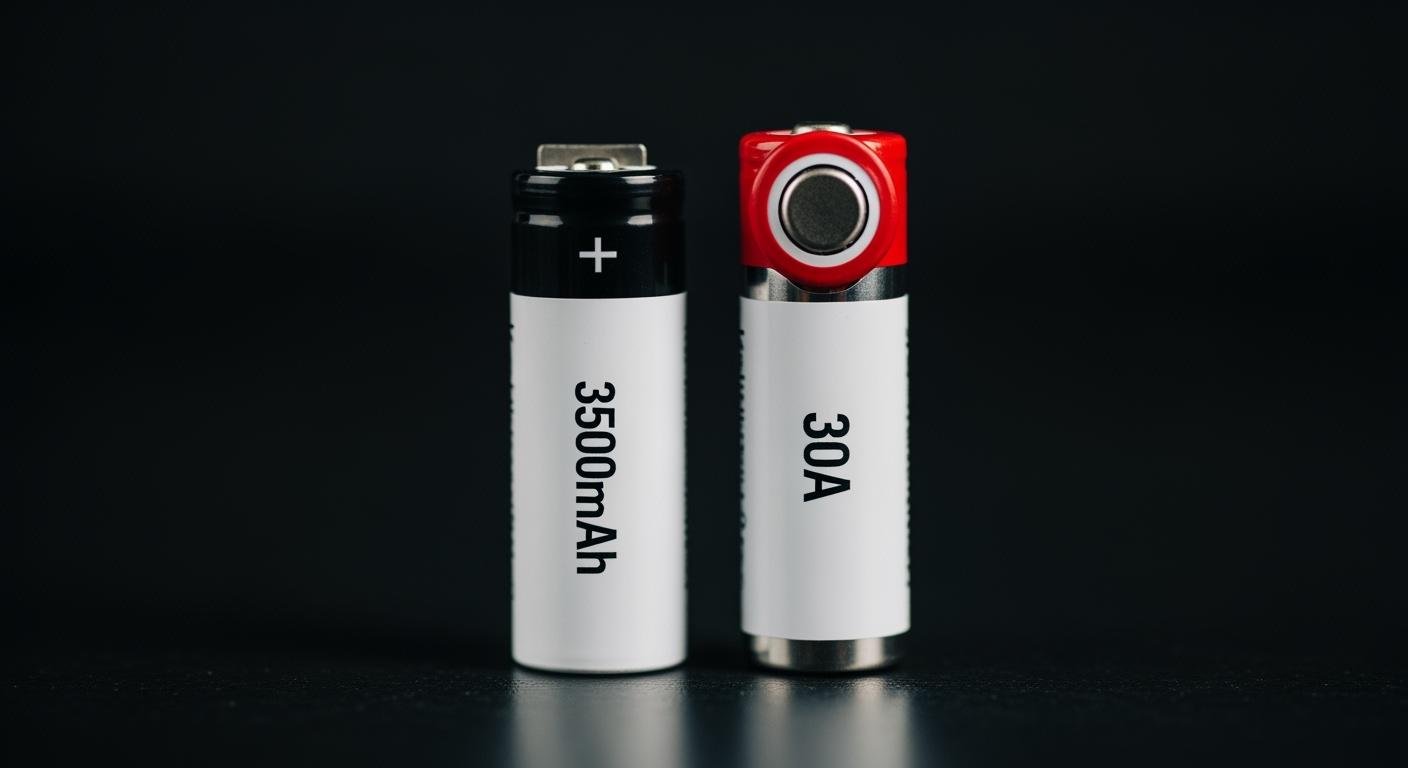
You will find two main kinds of 18650 batteries. These batteries are the protected 18650 batteries and the unprotected 18650 batteries.
The key difference is simple. A protected 18650 battery has a built-in protection circuit. An unprotected 18650 battery does not have this feature.
Choosing the correct 18650 battery type is vital. Your choice affects device function and your personal safety. Knowing the difference between a protected 18650 battery and an unprotected 18650 battery helps you use these powerful 18650 batteries correctly. This knowledge is essential for every 18650 battery user.
Protected 18650 Batteries: The Safe Choice
You should choose a protected 18650 battery for most applications. This type of 18650 battery is the recommended choice for general consumers. It provides an essential layer of safety that makes using these powerful batteries much more secure.
What is a Protected Battery?
A protected 18650 battery includes a small electronic circuit. This circuit is called a Protection Circuit Module (PCM). The PCM is integrated directly into the battery cell, usually as a small disc at the bottom. This built-in protection is the key feature that separates a protected 18650 from an unprotected one. It acts like a tiny supervisor for your battery.
Примечание: When you buy a protected 18650 battery, look for certifications like UL, IEC, and UN/DOT 38.3. These marks indicate the battery meets important safety and transportation standards.
How the Safety Circuit Works
The PCM provides constant protection for the 18650 battery. It monitors voltage and current to prevent dangerous situations. This protection is crucial for preventing thermal runaway, a condition where a battery overheats uncontrollably. The circuit offers four main types of protection:
- Over-Charge Protection: The circuit stops the charging process if the voltage gets too high (typically above 4.20V for a standard Li-ion 18650). This prevents damage and gas buildup inside the battery.
- Over-Discharge Protection: It disconnects the battery if the voltage drops too low (often around 2.5V-3.0V). Draining a battery too much can permanently damage it.
- Over-Current and Short-Circuit Protection: The PCM will instantly cut the power if the battery tries to draw too much current or if a short circuit occurs. This protection prevents the 18650 from overheating and potentially catching fire.
- High-Temperature Protection: Many advanced circuits also monitor temperature. They will shut down the 18650 battery if it gets too hot during charging or discharging, adding another layer of safety.
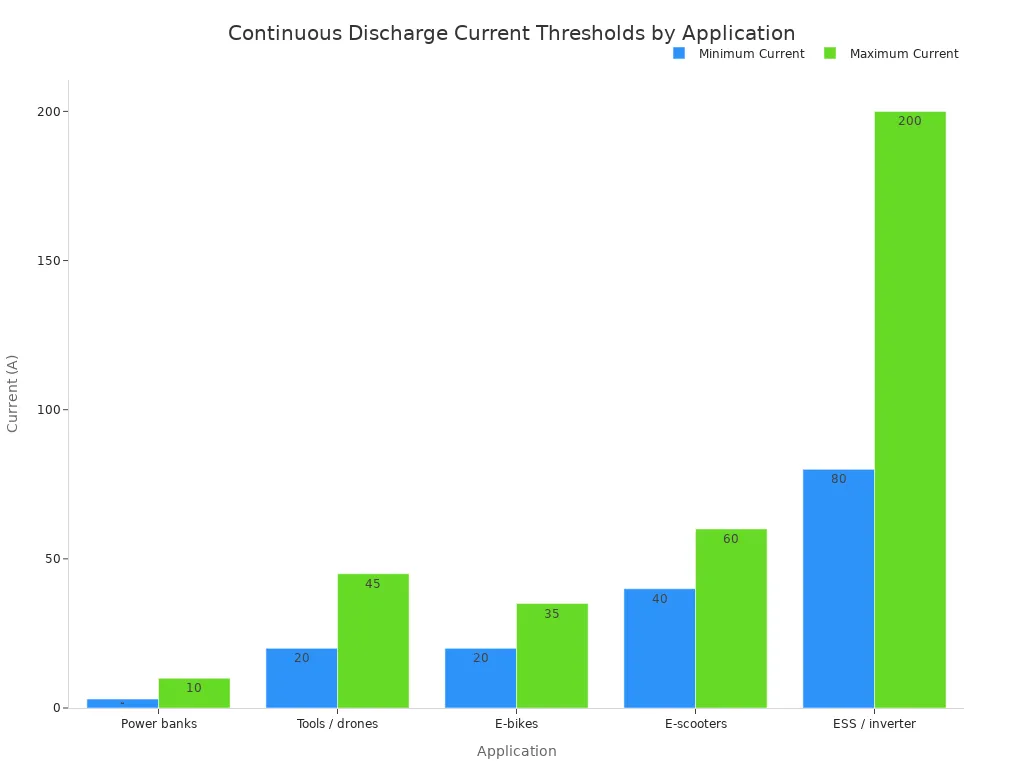
These protection thresholds are not one-size-fits-all. They are carefully chosen based on the battery chemistry and the intended application. For example, the current needed for a power bank is much lower than for an e-scooter.
Best Uses for Protected Cells
You should use protected 18650 batteries in single-cell consumer electronics. These devices often rely on the battery’s internal protection. Common examples include:
- High-powered LED flashlights and headlamps
- Portable power banks for charging phones and tablets
- Laser pointers and other consumer-grade portable electronics
If you are a general user, the protected type is almost always the right choice. The built-in protection makes handling these powerful 18650 batteries much safer.
Potential Downsides
While protected batteries are safer, you should know about a few downsides. The addition of the protection circuit affects the battery in two main ways.
First, a protected 18650 is physically longer than a standard 65mm 18650. The PCM and extra wrapping can increase its length to 70mm or more. This means a protected 18650 battery might not fit in devices designed for a shorter, unprotected 18650.
Second, the extra components increase the cost. You can expect to pay more for the peace of mind that a protected battery provides.
| Тип батареи | Typical Cost Range |
|---|---|
| Protected 18650 | $8-15 |
| Unprotected 18650 | $5-10 |
Finally, the protection circuit limits the maximum current the 18650 battery can deliver. This makes protected batteries unsuitable for some very high-drain applications, which are typically used by experts.
Unprotected 18650 Batteries: For Experts Only
You will encounter another type of 18650 battery called an unprotected 18650. This type of 18650 battery is a bare cell. It lacks the built-in safety features of a protected 18650. You should only use this battery type if you are an expert with a deep understanding of battery safety and electronics.
What is an Unprotected Battery?
An unprotected 18650 battery is a raw lithium-ion cell without an integrated Protection Circuit Module (PCM). Think of it as the core component before any safety electronics are added. This unprotected design means the battery itself has no internal mechanism to prevent over-charging, over-discharging, or short circuits. The responsibility for protection falls entirely on you and your device.
You can often identify an unprotected 18650 by its physical characteristics. An unprotected 18650 is shorter and lighter than a protected one. The table below shows the key differences.
| Характеристика | Unprotected 18650 Battery | Protected 18650 Battery |
|---|---|---|
| Length | Approximately 65mm | Approximately 68-70mm |
| Вес | Around 45-48 grams | Around 47-52 grams |
| Wrapper | Single layer of wrapping | Often has two layers |
| Metal Tab | Absent | May have a visible tab under the wrapper |
Understanding the Risks
Using an unprotected 18650 battery without proper knowledge is extremely dangerous. The lack of a safety circuit exposes you to significant risks. Without protection, you can easily over-charge the battery, causing it to overheat and vent dangerous gases. You might also over-discharge the battery, which can permanently damage it. The most severe risk is a short circuit, which can cause the 18650 to enter thermal runaway, leading to fire or an explosion. 💥
While these risks are serious, it is important to understand the context. Millions of devices use unprotected 18650 batteries each year. Actual reported failures are only a few hundred annually. Most incidents involve poor-quality or counterfeit cells. This shows that with high-quality batteries and correct handling, the risk is lower, but it is never zero.
Why Experts Use Unprotected Cells
You might wonder why anyone would choose an unprotected battery given the risks. Experts prefer unprotected 18650 batteries for high-performance applications where maximum power is essential. The protection circuit in a protected battery limits the amount of current the cell can deliver. An unprotected cell has no such limit.
This makes unprotected 18650 batteries the top choice for:
- Custom-built devices like drones and robots that need high current.
- High-performance flashlights, where enthusiasts want the brightest possible output.
- Vaping mods that require high discharge rates.
- Building custom battery packs with an external Battery Management System (BMS).
The performance difference is measurable. In one test, a flashlight with an unprotected 18650 reached 1,200 lumens. The same flashlight with a protected 18650 only reached 1,050 lumens. That is a 12% drop in brightness. For experts seeking peak performance, this difference matters. The raw power of an unprotected battery is its main appeal.
When to Use Them Safely
You should only use an unprotected 18650 if you can provide the necessary external protection. This is not a task for beginners. Safe use requires constant monitoring and specialized equipment.
You must rely on other things for safety:
- Your Device: The device itself must have built-in electronics to prevent over-discharge and excessive current draw.
- Your Charger: You need a high-quality charger that automatically stops when the battery reaches its full voltage.
- You: You are the final layer of protection. You must monitor the battery, charge it promptly, and handle it carefully to prevent damage.
If you are building a custom battery pack, the safety protocols are even stricter. You must work in a well-ventilated area, have a fire extinguisher ready, and use proper insulation like fish paper. These precautions are non-negotiable for anyone working with unprotected 18650 batteries.
Other 18650 Battery Types to Know
You know about protected and unprotected cells. Now you can learn about other important 18650 battery types. The battery chemistry and terminal shape are two other factors you must consider. These features affect the battery’s performance, safety, and whether it fits in your device. Understanding these battery types helps you make an even better choice.
Chemistry Types: Li-ion vs. LiFePO4
Most 18650 batteries use a standard lithium-ion (Li-ion) chemistry. However, you will also find a special type called Lithium Iron Phosphate (LiFePO4). A LiFePO4 18650 battery offers exceptional safety.
LiFePO4 chemistry has greater thermal stability. This type of 18650 battery rarely experiences thermal runaway. The battery stays cool and will not explode during overcharging. Standard Li-ion batteries can heat up faster and require more careful handling.
The two battery types also differ in voltage and lifespan. You can see the main differences in the table below. A LiFePO4 18650 has a lower voltage but often provides more charge cycles.
| Характеристика | LiFePO4 18650 | Standard Li-ion 18650 |
|---|---|---|
| Номинальное напряжение | 3.2V – 3.3V | 3.6V – 3.7V |
| Цикл жизни | 1500+ cycles | 300 – 500 cycles |
For many users, a LiFePO4 battery can last about one year longer than other lithium batteries.
Terminal Types: Flat Top vs. Button Top
You will also see two terminal types for the 18650: flat top and button top. The difference is simple. A button top 18650 has a small, protruding nub on the positive end. A flat top 18650 does not. This small difference is very important.
- Flat Top 18650: You often find these batteries in custom battery packs, laptops, and some high-drain vape mods. The devices are specifically designed for the shorter, flat surface.
- Button Top 18650: You typically use this type in consumer electronics like high-powered flashlights and video doorbells. These devices often use springs, and the button top ensures a solid connection.
You must always check your device first. A button top 18650 battery is slightly longer than a flat top 18650. It may not fit in a device designed for a flat top cell. Choosing the correct terminal type ensures your batteries fit and function correctly. These are the main 18650 battery types you will encounter.
How to Make the Right Choice
You now understand the different 18650 battery types. Making the right choice is the next step. This decision ensures your device works correctly and keeps you safe. You must consider your device, identify your needs, and buy from trusted sources.
Always Check Your Device First
You should always check your device’s manual or manufacturer’s website first. This is the most important step. The manufacturer will specify the appropriate type of battery. Some devices need a protected 18650, while others require an unprotected 18650. Using the wrong type can be dangerous.
The U.S. Consumer Product Safety Commission warns against using loose 18650 batteries in products not designed for them. These unprotected cells lack safety features. A short circuit can cause fires or explosions. Your device must have its own protection if you use an unprotected 18650 battery.
Identifying Your Battery
You need to know how to identify your 18650 batteries. A protected 18650 battery is longer than an unprotected 18650. It also has a different wrapper. Look at the physical size and the label. The label should clearly state if the battery has protection. This helps you confirm you have the correct 18650 battery for your device. Proper identification is key to battery safety.
Choosing Your 18650 Batteries
You must match the 18650 battery to your device’s power needs. Check the C-rating. This rating tells you the maximum safe current the battery can provide. A higher C-rating means more power. You can find the right type by matching the C-rating to your device’s requirements.
| Amperage (mAh) | C-Rate | Continuous Discharge (A) |
|---|---|---|
| 2000 | 20C | 40A |
| 2500 | 25C | 62.5A |
| 3500 | 30C | 105A |
Choosing the correct 18650 with the right specifications ensures optimal performance and safety. This protection prevents the battery from overheating.
The Importance of Reputable Brands
You should only buy 18650 batteries from reputable brands and vendors. The market has many counterfeit batteries. These fake batteries are extremely dangerous and perform poorly. You can spot fakes by looking for a few signs.
- Unrealistic Capacity: Any 18650 claiming over 3800mAh is likely fake.
- Low Weight: A real 18650 battery weighs about 45 grams. Fakes can weigh as little as 32 grams.
Always buy your 18650 batteries from a trusted source. This is the best protection against dangerous fakes. Choosing quality batteries is a critical part of battery safety.
You now understand the two types of 18650 batteries. A protected 18650 battery has a safety circuit, while an unprotected 18650 does not. This is the most important difference for any 18650.
Your core takeaway: Always choose protected 18650 batteries for your electronics. You should only use unprotected 18650 batteries if you are an expert and your device requires a specific unprotected 18650.
Your safety is paramount. National agencies are improving standards for every lithium ion battery. This includes better labeling for each 18650, 18650, 18650, 18650, and 18650 battery. Handle every lithium ion battery and all 18650 batteries with care.
ЧАСТО ЗАДАВАЕМЫЕ ВОПРОСЫ
Can you use a protected 18650 in any device?
No, you cannot. A protected 18650 battery is longer than an unprotected 18650. You must check if your device’s battery compartment fits the protected cell. Always follow the manufacturer’s recommendation for your specific 18650 battery.
How do you charge an 18650 battery safely?
You should always use a smart charger made for a lithium-ion 18650. These chargers prevent overcharging. Never leave a charging 18650 battery unattended. A quality charger is essential for every 18650 battery user.
What happens if you use the wrong 18650?
Using the wrong 18650 can damage your device or cause a fire. An unprotected 18650 in a device needing protection is very risky. A protected cell might not fit or provide enough power for a high-drain device.
Are all 18650 batteries the same?
No, they are not. An 18650 battery can have different chemistries and capacities. The main difference is protected versus unprotected. You must choose the correct 18650 battery for your needs.
 EN
EN ES
ES FR
FR DE
DE RU
RU ZH
ZH