


Your old phone, laptop, and vape batteries are a serious fire hazard sitting in your home. You cannot throw these lithium batteries in the regular trash or recycling bin. This action creates a major risk for you and sanitation workers.
Important Note: 📝 Learning the correct handling and disposal steps is essential. You can protect your home and community from dangerous fires by following safe practices.
The Dangers of Lithium Batteries

You might not see the danger in a small, old battery. However, the chemical energy stored inside can become unstable and hazardous over time. Understanding these risks is the first step toward protecting your home.
Understanding Thermal Runaway
A damaged or old battery can trigger a dangerous process called thermal runaway. This event is a violent chain reaction. It starts when the battery’s internal temperature rises, often due to physical damage or overheating. This initial heat causes chemical reactions that produce even more heat. The battery gets hotter and hotter in a cycle that cannot stop itself.
This process generates its own oxygen. This means a battery fire can burn without any air from the outside. The stages of this breakdown happen quickly as temperatures climb.
| Stage | Initiating Temperature | Description |
|---|---|---|
| SEI Degradation | ~80°C (176°F) | The battery’s protective layer breaks down. |
| Electrolyte Decomposition | ~100°C (212°F) | The battery’s liquid releases flammable gases. |
| Separator Melting | ~130°C (266°F) | Internal parts touch, causing a short circuit. |
| Cathode Decomposition | ~150°C (302°F) | The battery releases oxygen, fueling a fire. |

Fire Risks in Homes and Waste Facilities
You create a huge fire risk when you throw lithium batteries in the trash. Compaction machinery in garbage trucks and at recycling centers can easily crush them. This damage often starts a fire. One waste company reported experiencing at least 60 fires each month in its trucks and facilities. These fires endanger sanitation workers and can cause millions of dollars in damage. Your home is also at risk if you store old, unstable batteries in a drawer or closet.
Identifying Damaged or Swollen Batteries
You should regularly check your old devices for signs of battery damage. A swollen battery is a major warning sign that it is unstable and dangerous.
Look for these signs:
- A visible bulge or puffiness in the device’s case.
- The screen lifting away from the device’s frame.
- A laptop case that is warped or does not sit flat.
- Cracks or new gaps appearing along the device’s seams.
⚠️ Handle with Extreme Caution! A swollen battery poses a serious risk of fire or explosion. Never try to use or charge a device with a swollen battery. Do not puncture it to release the gas. The chemicals inside can cause skin burns and the fumes are toxic if you breathe them in.
Prepare Batteries for Safe Disposal
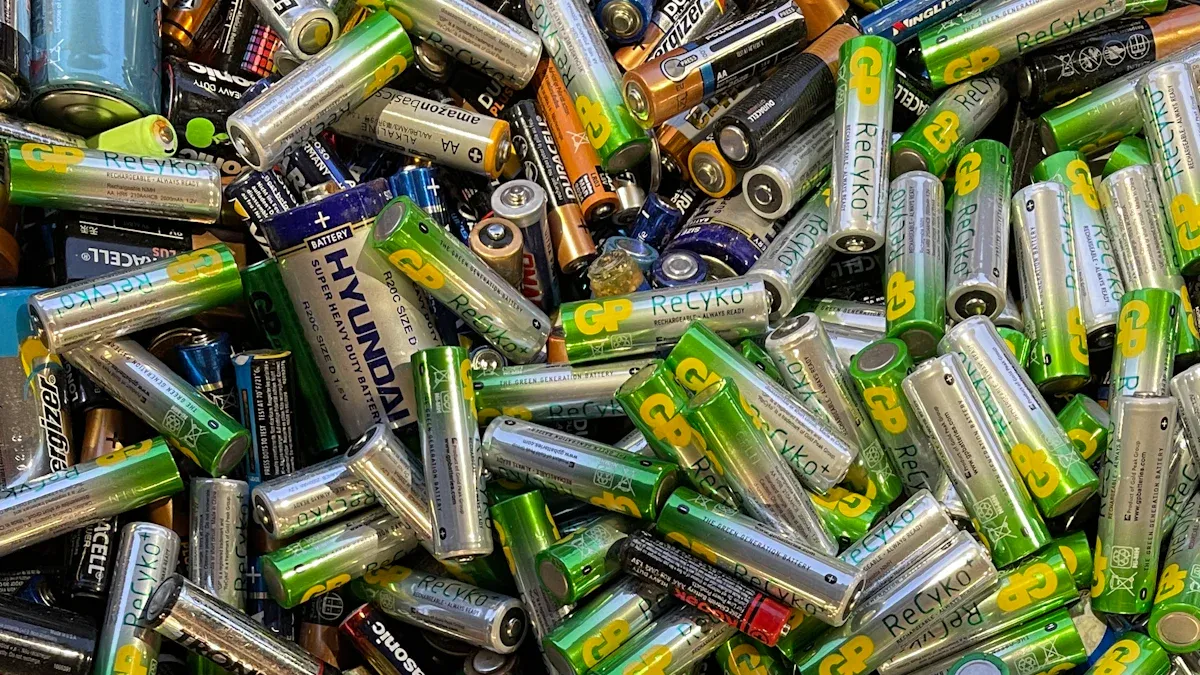
You have identified your old batteries. Now you must prepare them for safe transport and recycling. Following these steps prevents short circuits and fires while they are still in your home.
Tape the Battery Terminals
You must cover the battery’s metal connection points, called terminals. Exposed terminals can touch other metal objects. This contact can create a spark, causing a fire. You can prevent this by placing a small piece of non-conductive tape over each terminal.
Safety experts recommend using one of these tapes:
- Clear packing tape
- Duct tape
- Electrical tape
Pro Tip: 💡 Do not use painter’s tape or masking tape, as they are not strong enough. Make sure the tape does not cover the battery’s label. Recyclers need to see the label to sort the battery correctly.
Store Batteries Safely Before Recycling
You need a safe place to keep batteries before you take them to a recycler. Store them in a non-conductive container, like a plastic tub. Never use a metal container. You should also place each battery in its own separate plastic bag for extra protection.
Keep your storage container in a endroit frais et sec. It should be away from direct sunlight, heat sources, and anything flammable. A garage or a cool closet away from living areas is a good option. Proper storage of old lithium batteries is a key step in home fire prevention.
Handle Damaged Batteries with Extra Care
A swollen or damaged battery requires immediate and careful action. Do not leave it inside your home. If you can do so safely, move the battery outside to an isolated area. Place it on a non-combustible surface like concrete.
Put the damaged battery in a fire-resistant container. You can add sand or kitty litter to the container. This material will help absorb any leaks and contain a potential reaction. Contact your local hazardous waste facility immediately for instructions on how to dispose of it.
Find a Certified Recycling Location
You have prepared your old batteries for disposal. Now you need to find the right place to take them. You have several safe and convenient options for recycling.
Use Local E-Waste & Hazardous Waste Sites
Your city or county likely provides collection sites for electronic and hazardous waste. These facilities are equipped to handle batteries safely. You can find your nearest household hazardous waste (HHW) collection site using online tools.
A great resource is the Earth911 Recycling Locator. You can visit the website and enter your zip code. Then you can search for facilities that accept items like batteries. This tool also helps you find recyclers with important certifications. Look for these two standards:
- e-Stewards: This certification ensures recyclers do not ship electronics overseas for unsafe processing.
- R2 Standard: This standard focuses on secure data destruction and responsible recycling practices.
Many communities also host special e-waste collection events. The hours and accepted items can vary widely.
- One county might run events from 9:00 AM to 1:00 PM, accepting computers, TVs, and printers.
- Another area’s center could be open Monday to Saturday from 7:30 AM to 5:00 PM.
- Some events require an appointment.
Action Step: 📝 Always check your local government’s website or call ahead. You can confirm event dates, times, and the specific types of electronics they accept.
Use Retail Take-Back Programs
Many major retailers offer free battery recycling programs. These stores partner with organizations like Call2Recycle to make recycling easy for you. You can find drop-off bins at stores like:
- Best Buy
- The Home Depot
- Lowe’s
Vous pouvez utiliser le locator page on the Call2Recycle.org website. Just enter your ZIP code to find a participating store near you. These locations generally accept rechargeable batteries under 11 pounds, such as:
- Rechargeable nickel cadmium (Ni-Cad)
- Rechargeable nickel metal hydride (Ni-MH)
- Rechargeable lithium-ion (Li-ion)
⚠️ Important Warning for Damaged Batteries! Most retail take-back programs do not accept Damaged, Defective, or Recalled (DDR) batteries. A swollen, leaking, or punctured battery is considered hazardous material. These require special handling. You should always call the location ahead of time to ask if they can accept a damaged battery.
Find Mail-In Recycling Services
A mail-in service is a good option if you cannot find a local drop-off site. Several companies offer kits for recycling Lithium Batteries and other types. You can find these services from companies like EZ On The Earth et Recycle Technologies.
The process is straightforward. You order a kit, which includes a special container and a prepaid shipping label.
- Inspect the Battery: Make sure your battery is not damaged, swollen, or leaking. You cannot mail damaged batteries.
- Prepare for Shipping: Cover the terminals with non-conductive tape. Wrap each battery in bubble wrap.
- Pack the Box: Place the wrapped batteries in the provided box. Use padding to fill any empty space.
- Ship It: Attach the shipping label and drop the package at the designated shipping location.
The cost for these services can vary. Some programs charge a flat fee for the kit, while others base the price on weight.
| Service Example | Cost (Approx.) | Max Weight |
|---|---|---|
| Call2Recycle Kit | $80 | 25 lbs |
| Cirba Solutions Box | $98 | 12 lbs |
| TerraCycle EasyPak | $97 | 10 lbs |
Shipping costs may also be separate and depend on your location. For example, shipping a 10-pound box might cost $20 on the East Coast but $30 on the West Coast.
Disposal Don’ts for Lithium Batteries
You know the correct steps for safe disposal. Now you must learn what actions to avoid. Certain mistakes can create immediate danger for you and others. Following these rules is not optional; it is essential for safety.
Never Use Trash or Recycling Bins
You must never put Lithium Batteries into your household trash or curbside recycling bin. Regular waste and recycling facilities are not designed to handle them. The sorting and compacting machinery can easily crush the batteries, starting a dangerous fire.
These facilities face major challenges with batteries:
- Risques pour la sécurité: The batteries are considered dangerous goods and can ignite during transport or processing.
- Complex Designs: Batteries have many different shapes and chemistries, making them difficult to sort automatically.
- Lack of Infrastructure: Most areas do not have the special equipment needed for safe battery recycling.
Never Puncture or Crush Them
You should handle old batteries gently. Never try to puncture, crush, or bend them. Physical damage can force the internal layers of the battery to touch. This contact creates an internal short circuit. The short circuit generates intense heat very quickly. This process can trigger thermal runaway, leading to a fire or explosion. A punctured battery can also release flammable gases and toxic fumes, which pose a severe health risk.
⚠️ Immediate Danger! A damaged battery can vent hot, flammable gas before it catches fire. This gas can create an explosive vapor cloud in an enclosed space. Treat any hissing or smoking battery as an emergency.
Never Leave Them in Extreme Heat
You must protect old batteries from high temperatures. Heat speeds up the chemical reactions inside the battery. This raises the internal pressure and increases the risk of fire. Leaving a device with a battery in a hot car is extremely dangerous. Temperatures inside a car can quickly rise above 100°F.
For long-term storage, you should keep batteries in a cool, dry place. The ideal temperature range is between 59°F and 77°F. Storing them in a hot attic, a sunny spot, or near a heater creates an unnecessary fire hazard.
You now understand the serious risks of old batteries. Remember the most important rule.
Never, ever put lithium batteries in your regular trash or recycling bin. Improper disposal leads to landfill fires and allows toxic heavy metals like lead and cobalt à poison soil and groundwater.
Your safe disposal plan is simple:
- Tape the battery terminals.
- Store them in a cool, dry, non-metal container.
- Take them to a certified e-waste or hazardous waste recycler.
🚨 Protect your home and community. Take care of your old batteries today to prevent a potential disaster.
FAQ
Can I recycle a device if I cannot remove the battery?
Yes. You should take the entire device to a certified e-waste recycler. Do not try to remove a non-removable battery. You could damage it and start a fire. Professionals at the facility have the proper tools to remove it safely.
Are single-use alkaline batteries (like AA or AAA) also a fire risk?
Alkaline batteries have a much lower fire risk than lithium batteries. Some local rules let you put them in the trash.
Best Practice: ♻️ You should still recycle them when possible. This helps recover materials and protects the environment. Check your local guidelines first.
Why is taping the terminals so important?
You tape terminals to prevent a short circuit. If the exposed metal ends touch another piece of metal, they can create a spark. This spark can easily ignite a fire, especially in a bag or a collection bin. It is a simple and vital safety step.
Can I get paid for recycling my old batteries?
Most free take-back programs do not pay you for old batteries. The main goal is safe disposal to prevent fires and pollution. Some scrap recyclers may pay for large amounts, but this is not common for typical household quantities.
 EN
EN ES
ES FR
FR DE
DE RU
RU ZH
ZH