

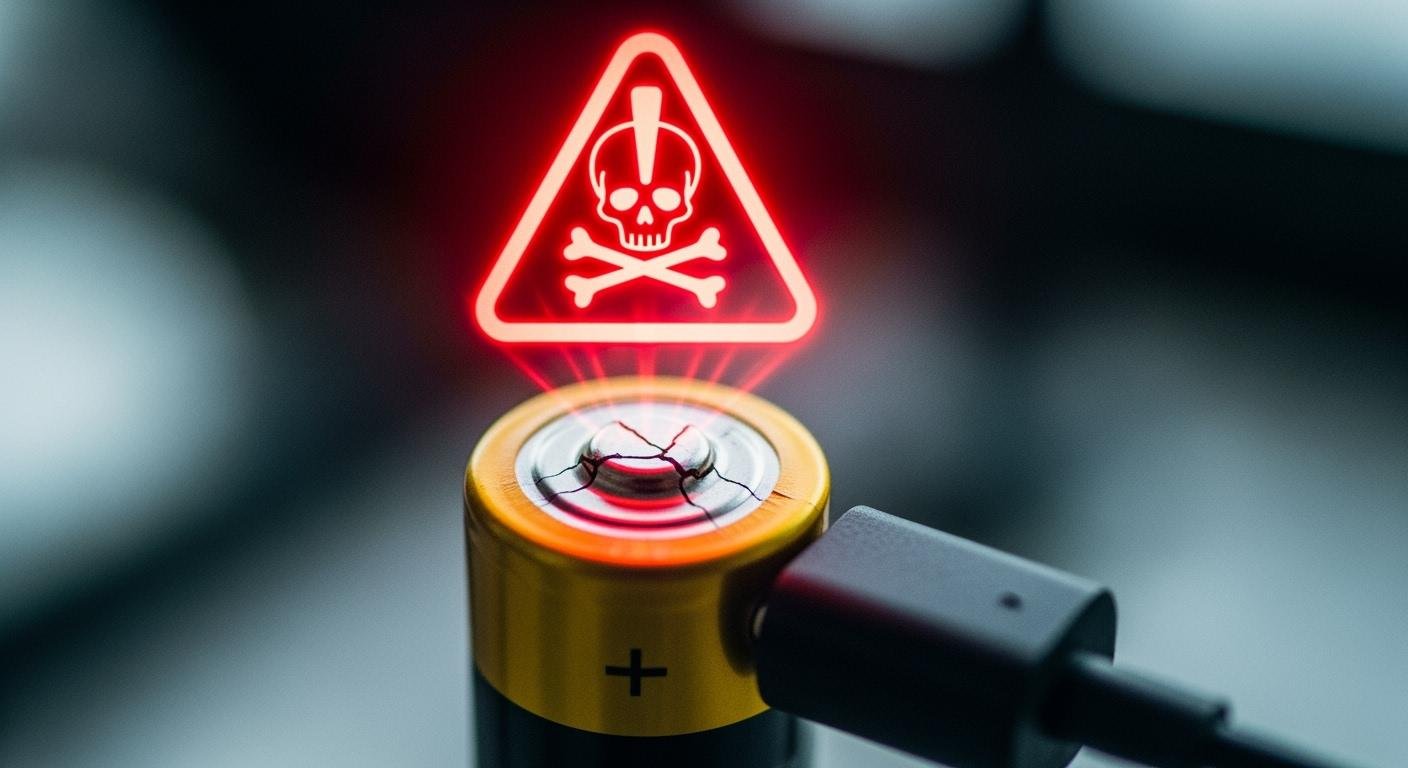
Attempting to charge a lithium battery with a normal charger is extremely dangerous. The potential risks are severe, ranging from permanent battery failure to fire and explosion. This danger stems from incompatible charging methods that lead to severe overcharging.
A 2024 failure analysis highlights these risks. It indicated that 62% of charging incidents involved incompatible chargers exceeding 55.2V.
This process of overcharging damages internal cells. A dedicated lithium battery charger is essential for safe charging, as only a proper lithium battery charger can prevent these hazards.
Immediate Risks: Fire and Explosion
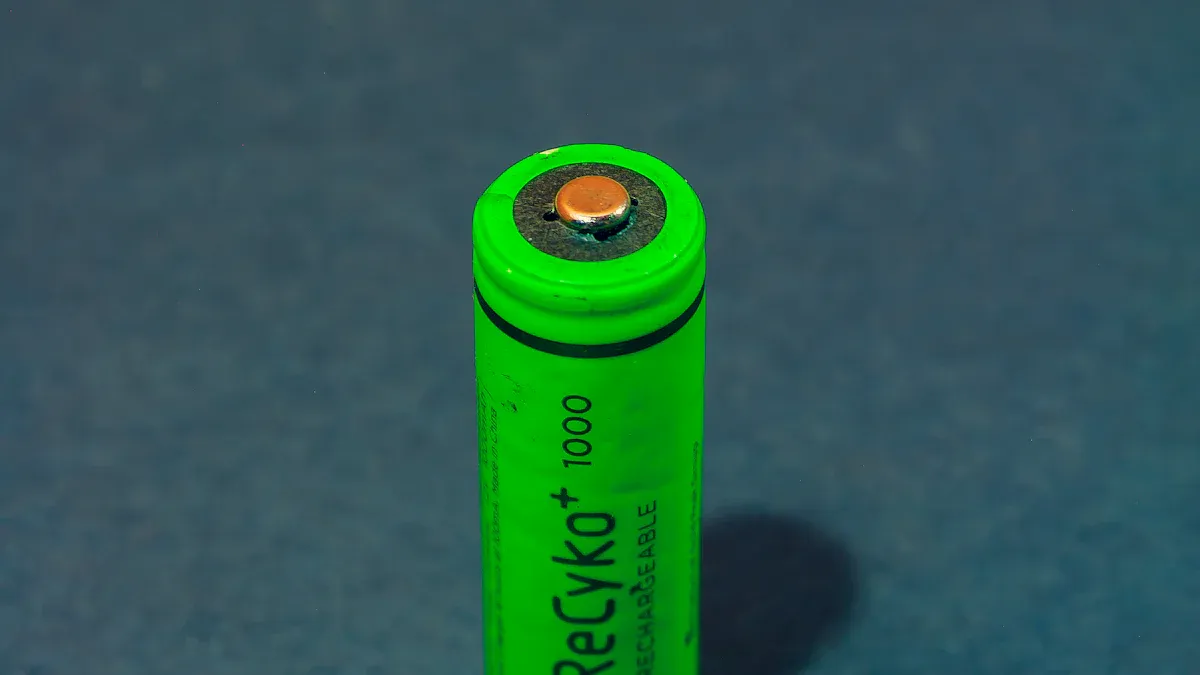
Using an incorrect charger introduces immediate and severe risks. The financial and physical dangers are significant. A single uncertified battery can cause damage costing hundreds of thousands of dollars. The potential risks of fire and explosion are not just theoretical; they are a direct result of electrical and chemical incompatibility.
How Normal Chargers Cause Overcharging
A normal charger, particularly one designed for lead-acid batteries, often supplies an excessively high voltage. This high voltage forces too much energy into the battery cells, leading to dangerous sobrecarga. Lithium batteries require precise voltage control during the charging process. A dedicated lithium battery charger provides this control. Standard chargers lack the essential safety mechanisms needed for safe lithium battery charging, such as protection against sobrecarga and overheating. This uncontrolled charging can cause the battery to swell, catch fire, or even explode.
The Danger of Thermal Runaway
Sobrecarga is a primary trigger for a catastrophic event called thermal runaway. This phenomenon is a violent chain reaction of chemical processes inside the battery. It causes the cell to enter an uncontrollable, self-heating state. The battery’s internal temperature skyrockets, leading to the rapid release of stored energy.
🔥 Advertencia: During thermal runaway, a battery can vent highly flammable gases like hydrogen, carbon monoxide, and methane even before a visible fire starts.
This process can begin at different temperatures depending on the battery’s chemistry. For example, NMC batteries may enter thermal runaway around 150°C, while more stable LiFePO4 batteries have a higher threshold of about 250°C. Once started, this reaction can lead to the self-destruction of the battery, fire, and explosion. The financial consequences are staggering.
| Category | Cost/Impact |
|---|---|
| U.S. and Canadian Waste Operators (2021) | $1.2 billion in damages |
| Marine Claims for Fires/Explosions (2021) | 18% of $9.2 billion in total losses |
Understanding Incompatible Charge Stages
Lead-acid and lithium batteries use fundamentally different charging algorithms. A lithium battery charger typically uses a Constant Current-Constant Voltage (CC-CV) method. This charging process is simple and safe for lithium chemistry.
In contrast, lead-acid chargers use a multi-stage charging process with modes that are harmful to lithium batteries:
- Equalization Stage: This mode uses high-voltage pulses to clean lead-acid plates. These pulses cause severe sobrecarga in a lithium battery, causing irreversible damage.
- Float Stage: This mode provides a continuous low current to a full lead-acid battery. A lithium battery does not need this. This constant “trickle” charging leads to sustained sobrecarga, creating heat and increasing the risks of failure.
Only a proper lithium battery charger is programmed to avoid these damaging stages. Using the correct lithium battery charger is the only way to safely charge a lithium battery and prevent these disastrous outcomes. The risks associated with improper charging are too high to ignore. A dedicated lithium battery charger is not a recommendation; it is a requirement for safety.
Long-Term Damage from a Normal Charger
Even if you avoid a fire, using the wrong charger guarantees slow and certain destruction of your battery. The incorrect voltage and inconsistent current from a non-lithium charger permanently reduce the battery’s lifespan and capacity. This damage often happens silently before any obvious signs appear.
Permanent Internal Cell Damage
Improper charging inflicts irreversible harm on the battery’s internal structure. One of the most visible signs of this damage is physical deformation. The process of overcharging generates excess heat and gas inside the battery cells. This pressure buildup causes the battery casing to swell, bulge, or warp. A swollen battery is a clear indicator of severe internal distress.
The damage goes deeper than what you can see.
- Lithium Plating: A proper lithium battery charger uses smart algorithms to manage the charging process. A straightforward charger that provides a constant, high voltage forces lithium ions to accumulate on the anode’s surface instead of being safely absorbed. This forms a layer of metallic lithium, a process known as plating.
- Dendrite Growth: This plating can grow into sharp, needle-like structures called dendrites. Over time, these dendrites can puncture the delicate separator that keeps the anode and cathode apart. This breach creates an internal short circuit, which can lead to cell failure or trigger thermal runaway. The infamous Samsung Galaxy Note 7 battery fires were a direct result of this dangerous phenomenon.
⚠️ A Damaged Battery is a Risky Battery An internal short circuit from improper charging permanently compromises the battery. It reduces the battery’s total capacity and shortens its cycle life. Even if it continues to function, it operates with increased risks of failure.
Frying the Battery Management System (BMS)
Every modern lithium battery contains a Battery Management System (BMS). The BMS is the battery’s brain, a vital electronic circuit board that ensures safety and longevity. Its primary jobs include:
- Supervisión: It constantly tracks cell voltage, current, and temperature.
- Protección: It prevents overcharging by cutting off power when the battery is full. It also protects against over-discharging, short circuits, and extreme temperatures.
- Optimization: It balances the charge across all cells in the pack, maximizing capacity and lifespan.
A standard charger, especially one for lead-acid batteries, delivers voltage and current that the BMS is not designed to handle. This electrical stress can overwhelm and destroy the BMS. Without a functional BMS, the battery is left defenseless. It becomes unreliable, inefficient, and extremely dangerous, as there is no longer a system to prevent overcharging or other hazardous conditions. A battery with a fried BMS is unusable and unsafe. A dedicated lithium battery charger communicates with the BMS for a safe charging cycle. A proper lithium battery charger is essential.
Voiding Your Battery’s Warranty
Beyond the physical dangers, using an unapproved charger has significant financial consequences. Virtually all lithium battery manufacturers include clauses in their warranties that are very specific about charging. Using an incompatible or non-certified lithium battery charger is a direct violation of these terms.
Manufacturers mandate the use of a proper lithium battery charger because it is the only way to guarantee the battery is charged according to its design specifications. Should the battery fail due to damage from overcharging, swelling, or a fried BMS caused by the wrong equipment, the warranty will be void. You will be responsible for the full cost of a replacement, a loss that is easily avoided by investing in the correct lithium battery charger from the start. The only way to safely charge a lithium battery and protect your investment is with the right lithium battery charger.
How to Properly Charge a Lithium Battery
Safely charging a lithium battery requires specific equipment and knowledge. Using the correct tools and following simple guidelines protects your investment and prevents accidents. These best practices ensure battery health and longevity. A dedicated lithium battery charger is the cornerstone of a safe charging process.
Why You Need a Dedicated Lithium Battery Charger
A dedicated lithium battery charger is not an optional accessory; it is a mandatory safety device. These chargers use a smart Constant Current/Constant Voltage (CC/CV) algorithm. This method is tailored for lithium chemistry. It prevents the overcharging and undercharging that damages cells. A proper lithium battery charger follows key best practices for battery care.
A dedicated lithium battery charger offers several key protections:
- It uses an optimized charging algorithm for lithium batteries.
- It provides spark-proof and reverse polarity protection.
- It is fully automatic for simple “connect and forget” operation.
This intelligent charging process safeguards the battery’s internal components. Using a dedicated lithium battery charger is the only way to properly charge a lithium battery.
Understanding Your Lithium Battery Charger
A lithium battery charger communicates its status through indicator lights. Understanding these lights helps you monitor the charging process. Each color or pattern signifies a different stage of charging. A dedicated lithium battery charger makes this process easy to follow.
| Light Indicator | Meaning |
|---|---|
| Flashing Red | The main charging stage is active. |
| Flashing Yellow | The battery is nearly full; charging is finishing. |
| Solid Green | Charging is complete and the battery is full. |
These indicators provide real-time feedback. They confirm the lithium battery charger is working correctly. This visual guide is one of the best practices for safe charging.
Matching Charger to Battery Chemistry
Different lithium batteries have different chemistries. Each chemistry requires a specific voltage for safe charging. Using the wrong lithium battery charger can cause daños irreversibles. For example, LiFePO₄ and NMC batteries have different voltage needs.
| Química de la batería | Full Charge Voltage (per cell) |
|---|---|
| LiFePO₄ | 3.6 – 3.65 V |
| NMC / LCO | 4.1 – 4.2 V |
A dedicated lithium battery charger is programmed for a specific voltage. Matching your lithium battery charger to your battery’s chemistry is essential. This ensures the charging process is both safe and effective, protecting the battery from stress.
Using the wrong charger creates severe outcomes, from catastrophic failure to permanent damage. The potential risks are not worth any small convenience.
⚠️ Acuérdate: The safety risks and certain financial loss from a destroyed battery and voided warranty are too high.
A dedicated lithium battery charger is the only way to safely charge a lithium battery. Always use a dedicated lithium battery charger that matches your battery’s specifications. This dedicated lithium battery charger protects your investment. A dedicated lithium battery charger is the only safe choice. This lithium battery charger is essential.
PREGUNTAS FRECUENTES
Can I use a lead-acid charger if it has a lithium mode?
No. A lead-acid charger with a “lithium mode” may lack the precise algorithms of a dedicated lithium charger. These modes can still cause damage. A user should always choose a charger built specifically for their lithium battery chemistry to ensure safety and proper charging.
What happens if I use the wrong charger just once?
A single use of an incorrect charger can cause immediate and permanent damage. It can destroy the Battery Management System (BMS) or trigger thermal runaway. The risk of fire or explosion exists even after one improper charge cycle. The danger is not worth the risk.
How do I find the right charger for my battery?
Finding the correct charger involves a few simple steps. A person must match the charger’s specifications to the battery’s needs.
- Check the battery’s voltage (e.g., 12V, 24V).
- Identify the battery’s chemistry (e.g., LiFePO₄, NMC).
- Select a charger that explicitly matches both specifications.
Is a swollen battery still usable?
A swollen battery is extremely dangerous and should never be used. Swelling indicates severe internal damage and a high risk of fire or explosion.
Safety Tip: One must immediately stop using a swollen battery. A person should disconnect it and take it to a proper recycling facility for safe disposal.
 EN
EN ES
ES FR
FR DE
DE RU
RU ZH
ZH