

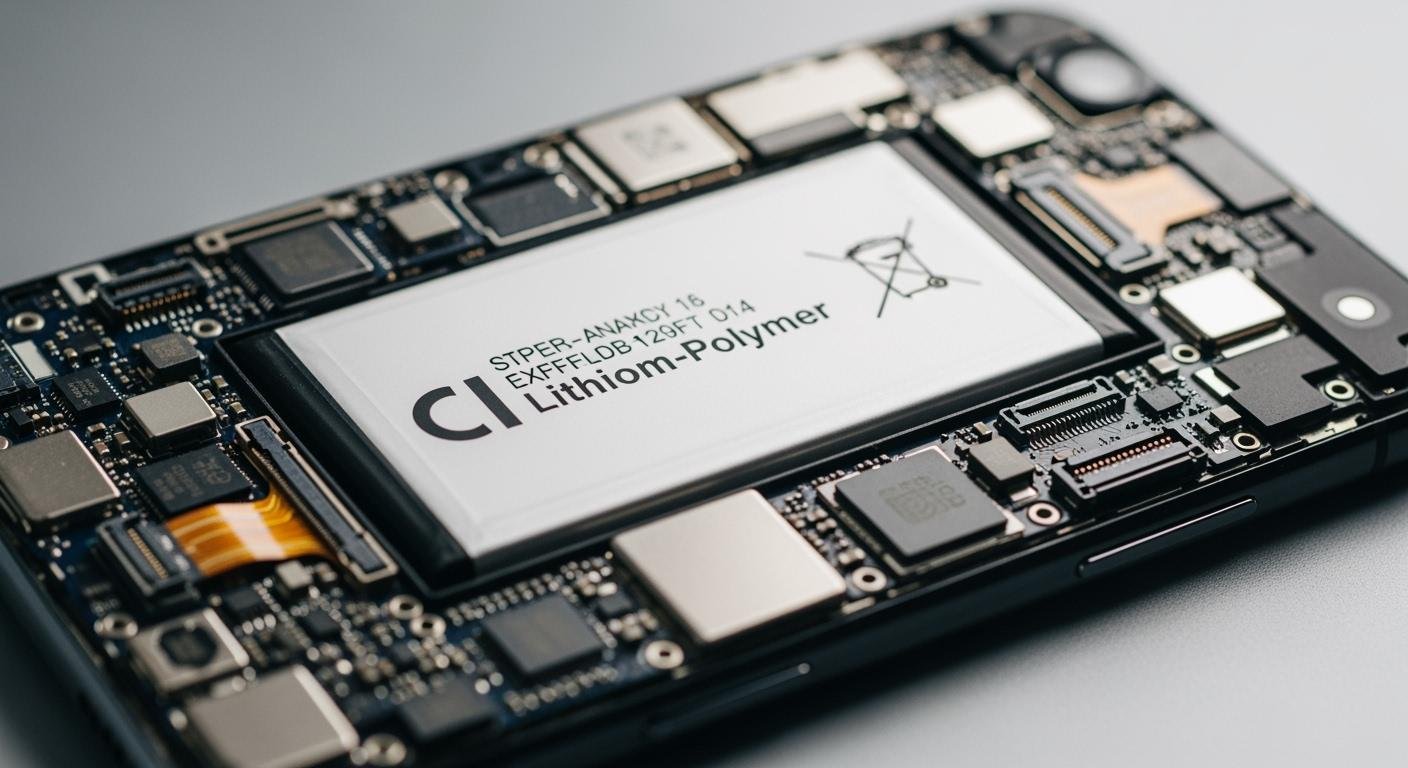
Phone batteries in 2026 will showcase three key technologies. These include advanced Silicon-Carbon batteries, emerging Solid-State batteries, and refined Graphite lithium-ion. These advanced lithium-ion batteries are all specific kinds of lithium-polymer batteries. Each battery type offers a unique balance of performance, safety, and cost. This evolution in battery technology answers the demand for better batteries. Suppliers like Amperex Technology Limited (ATL) already make thin, flexible batteries for mobile phones. Every battery is designed for a purpose, impacting the device’s overall performance and form.
Type 1: Silicon-Carbon Batteries
Silicon-carbon batteries represent a major evolution of traditional lithium-ion batteries. Manufacturers improve battery performance by adding silicon to the anode, the negative electrode. This change allows the battery to store significantly more energy. This specific battery type is becoming the new standard for high-performance devices. The improved design of these lithium-ion batteries delivers better overall performance.
Performance and Lifespan
The primary advantage of silicon-carbon batteries is their superior energy density. This enhancement allows for a much larger battery capacity in the same physical space. Some advanced batteries can even reach capacities of 8,500 mAh. This boost in density provides a clear performance improvement over older lithium-ion batteries.
| Akku-Typ | Gravimetric Energy Density (Wh/kg) |
|---|---|
| Standard Graphite Li-ion | 180–260 |
| Silicon-carbon enhanced Li-ion | 260–350 |
Companies like Sionic and Enovix have developed technologies that also improve the lifespan of these batteries, pushing them past 1,000 charge cycles. While silicon expansion has been a challenge, new engineering solutions create more durable and reliable batteries. This leads to a battery that lasts longer and maintains its performance. These lithium-ion batteries also support faster charging speeds.
Common Phone Applications
You will find silicon-carbon batteries in flagship smartphones. These devices require maximum battery performance to power advanced features. Brands like HONOR and Xiaomi already use this technology in their top-tier phones.
Who uses Silicon-Carbon Batteries?
- HONOR: Was the first to launch a phone with this battery.
- Xiaomi & Oppo: Use these batteries in their premium models.
- Future Flagships: The technology is expected in devices like the Samsung Galaxy S26 Ultra, which may feature a 5,000 mAh battery.
The excellent performance of these lithium-ion batteries makes them ideal for power-hungry applications. They provide the long-lasting power needed for AI features and demanding games.
Type 2: Solid-State Lithium-Polymer
Solid-state batteries represent the future of mobile power. This emerging battery type replaces the gel or liquid electrolyte found in other lithium-ion batteries with a completely solid material. This fundamental change in chemistry creates a safer and more powerful battery. The key differences are:
- Electrolyte: A non-flammable solid replaces the flammable liquid or gel.
- Anode: Die solid structure can support advanced anodes, like metallic lithium.
- Cathode: These batteries often use high-voltage cathode materials for better performance.
Enhanced Safety and Design
The greatest advantage of solid-state batteries is their safety. The solid electrolyte is not flammable. This feature greatly reduces the risk of fire and explosion, a known issue with some older lithium-ion batteries. The solid material also prevents the growth of dendrites, which are tiny internal structures that can cause a battery to short-circuit.
Safety tests show a clear difference. When punctured, a solid-state battery shows minimal reaction, while traditional batteries can experience dangerous failures.
| Response to Nail Puncture | Liquid Li-ion Battery | Solid-State Battery |
|---|---|---|
| Fire/Explosion | High probability | Zero incidents in lab tests |
| Temperature Rise | Can exceed 600°C | Stays below 80°C |
| Cell Rupture | Common | Rare and contained |
This enhanced safety and the thinness of the batteries also unlock new design possibilities. Manufacturers can create more durable foldable phones or other innovative form factors without worrying about battery damage.
2026 Performance Metrics
The performance of solid-state batteries is expected to be a game-changer. By 2026, this technology will offer significant improvements in charging speed and capacity. Some companies claim their solid-state batteries can achieve a full charge in under 10 minutes. This is a massive improvement over current charging times.
Did you know? 💡 Samsung plans to use its first solid-state batteries in smaller devices like fitness trackers in 2026 before bringing the technology to smartphones.
These advanced lithium-polymer batteries also promise a much higher energy density. This could lead to a phone battery that lasts two or three days on a single charge. The combination of fast charging and long-lasting power makes these batteries ideal for the next generation of devices. The overall performance of these batteries will redefine user expectations.
Type 3: Evolved Graphite Lithium-Ion
Evolved graphite lithium-ion batteries remain the workhorse of the mobile industry. This battery type is the most common power source in budget and mid-range phones. Manufacturers trust these batteries for their proven track record and affordability. The technology has matured over decades, making these lithium-ion batteries a reliable and predictable choice for mass-market devices. The entire supply chain for these batteries is well-established.
Cost-Effectiveness and Reliability
The main advantage of graphite lithium-ion batteries is their low cost. The manufacturing cost for graphite anodes is around $53 per kilowatt-hour. This affordability allows phone makers to produce devices at lower prices. Consumers get a dependable battery without paying a premium.
Reliability is another key feature. These batteries are incredibly safe and stable.
Did you know? 🧐 The failure rate for rechargeable lithium-ion batteries is approximately one in 10 million cells. This makes catastrophic battery failure a very rare event.
This high level of safety comes from years of refinement. Engineers understand the battery chemistry very well. They have optimized the design of these batteries to ensure consistent performance and a long service life. The dependable nature of the battery makes it a go-to for many electronics.
Incremental Improvements
Graphite lithium-ion batteries continue to improve. Scientists are not creating huge leaps in performance. Instead, they make small, important changes. One major area of improvement is the use of advanced coatings on the graphite anode. These coatings help the battery in several ways.
- They prevent direct contact between the electrolyte and graphite.
- They create a more stable structure.
- They reduce irreversible capacity loss over time.
These refinements help the battery last longer and perform better. While graphite’s energy capacity is near its theoretical limit, engineers still find ways to boost performance. For example, using certain graphite additives can increase cathode density by 26%. This allows more active material inside the battery, increasing energy without changing the battery size. Researchers also work on balancing charging speed with heat. Faster charging can create more heat, so new thermal management systems keep the batteries cool and safe. This ensures the battery remains efficient.
How to Identify Your Phone’s Lithium-Polymer Batteries
Identifying the specific type of battery inside a phone is straightforward. A user can find this information through a few reliable methods. These steps help anyone discover the technology powering their device.
Check the Official Manufacturer Website The most accurate information comes directly from the phone’s maker. A user should visit the manufacturer’s website and find the official product page for their phone model. The technical specifications section almost always lists the battery capacity and often mentions the underlying chemistry, such as silicon-carbon. This is the best starting point for reliable data.
Read Detailed Technical Reviews Expert tech reviewers often provide deep analysis of a phone’s hardware. Websites that perform teardowns physically disassemble devices to identify each component. These sites offer a close look at the batteries and their construction.
Reputable sites for battery analysis include:
- iFixit
- TechInsights
- Teardown.com
- Reverse Engineering.com
These sources confirm the type of lithium-polymer batteries used and discuss their performance.
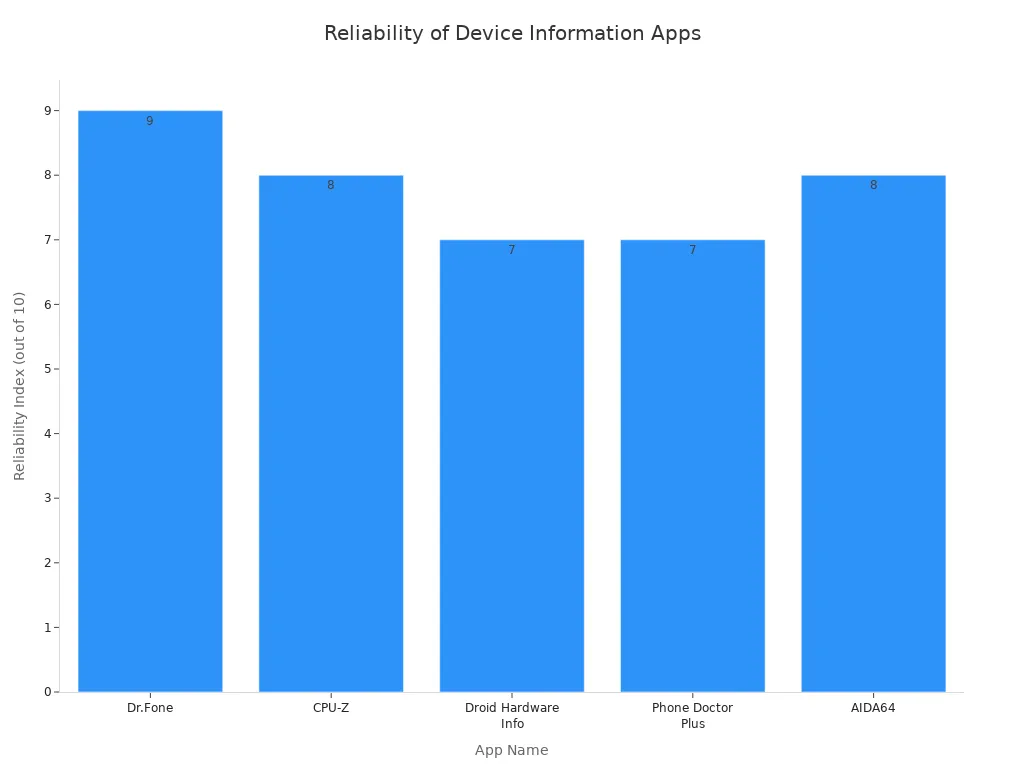
Use a Device Information App Several applications can scan a phone’s hardware and report on its components. These apps provide details about the status and health of the batteries. While they may not always name the specific chemistry, they offer valuable data. Some popular apps are more reliable than others for identifying hardware.
App Name Platform Battery Hardware Identification Reliability Index Dr.Fone Android & iOS Battery status, health, temperature 9/10 CPU-Z Android Battery status 8/10 Droid Hardware Info Android Battery details 7/10 Phone Doctor Plus Android Optimizes device performance, extends battery life, diagnoses hardware issues 7/10 AIDA64 Android Battery level monitoring 8/10 The reliability of these apps can vary, but top-rated options provide useful insights into the phone’s power source.

The 2026 landscape for mobile phones includes three main types of lithium-polymer batteries. Each type serves a distinct market segment.
- Silicon-Carbon: Powers top-tier devices needing maximum performance.
- Solid-State: Enables next-generation safety and innovative designs.
- Evolved Graphite: Remains the reliable, cost-effective choice for budget models.
In 2026, the battery inside your phone will be a direct reflection of its price and purpose, whether it’s built for peak performance, innovative design, or everyday reliability.
FAQ
What makes solid-state batteries safer?
Solid-state batteries use a solid electrolyte instead of a liquid. This material is not flammable. It significantly lowers the risk of fire. The solid design also prevents internal failures, making the battery much more stable and secure.
Why do budget phones still use graphite batteries?
Manufacturers use the evolved graphite rechargeable lithium-ion battery in budget phones for two main reasons. The technology is very affordable. It also has a long history of reliable performance, making it a trusted choice for mass-market devices.
Can a user upgrade their phone’s battery type?
A user cannot upgrade their phone’s battery. Phone makers design specific lithium-polymer batteries to fit each model perfectly. The battery is a non-swappable component. It is integrated directly into the phone’s hardware and cannot be changed.
How do silicon-carbon batteries improve charging?
Silicon-carbon batteries possess an advanced internal structure. This design allows them to handle faster charging speeds safely. The battery manages heat more effectively during charging. This results in quicker power-ups without harming the battery’s long-term health.
 EN
EN ES
ES FR
FR DE
DE RU
RU ZH
ZH