

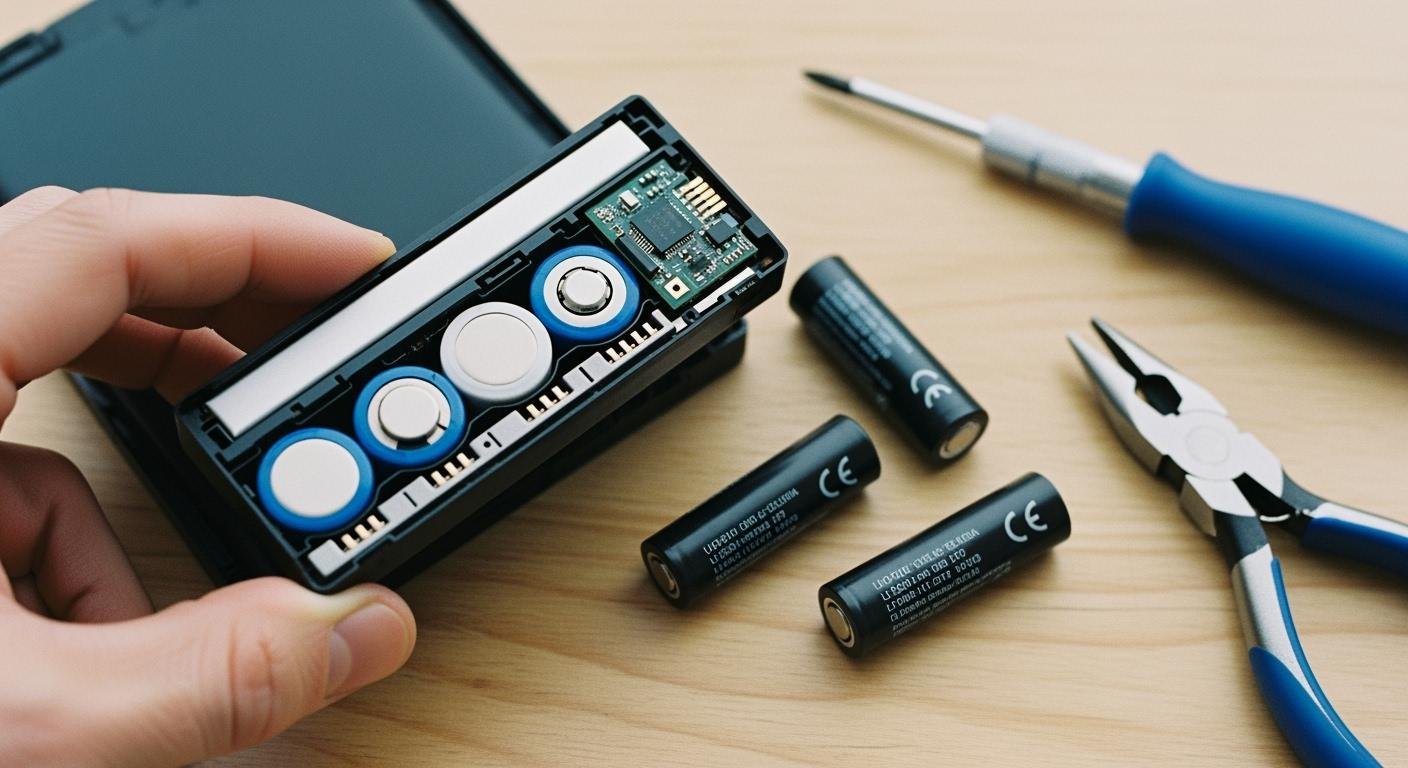
This guide explains how to get free 18650 batteries. You can get 18650 batteries by salvaging them from old electronics. You will find these valuable 18650 cells inside discarded laptop batteries, power tool packs, and even e-bike battery units. This smart hack turns electronic waste into a useful 18650 battery resource for your DIY projects.
Eco-Friendly Fact ♻️ Recycling a battery pack uses significantly less energy and water than mining for new materials. This simple action helps reduce the overall environmental impact by at least 58%.
How to Get Free 18650 Batteries
You can find old battery packs in several places. Your success depends on knowing where to look and who to ask. This section covers the best spots to source the raw materials for your free 18650 cells.
Check E-Waste Recycling Centers
E-waste recycling centers are a primary destination for discarded electronics. You should always ask for permission before taking anything. Explain that you are looking for old laptop batteries for a DIY project. Many large businesses and organizations send their old electronics here. These centers often receive items from:
- Data centers and IT-heavy businesses upgrading their equipment.
- Global companies that use many electronic devices.
- Outsourced businesses that lack their own recycling programs.
- Scrappers who collect and sell used electronics for profit.
Look for bins containing laptop batteries. A single laptop battery pack can contain six to nine 18650 cells, making them a high-value target.
Visit Retail Recycling Bins
Many large retail stores have recycling programs for customers. You can find collection bins near the entrance of home improvement or electronics stores. These bins are a great source for a free recycled battery. People drop off old power tool packs and other rechargeable devices.
A Note on Regulations 📝 The U.S. Environmental Protection Agency (EPA) advises businesses to manage lithium-ion batteries under “universal waste” regulations. These rules make recycling easier and safer. States are also creating stricter laws. For example, a new California law taking effect in 2026 will expand the state’s electronic waste recycling program. This is why you see more recycling options in stores.
When you check these bins, look for bulky power tool packs. They often contain durable, high-capacity 18650 cells. A single discarded pack can be a great find.
Ask Shops to Get 18650 Batteries
Local repair shops are another excellent resource. Think about computer repair shops, battery stores, or even e-bike shops. These businesses frequently replace old battery packs for customers. The old packs are often just waste to them. This is your best opportunity for how to get free 18650 batteries.
Politely approach the owner or a technician. You can say something like, “I build small electronics for fun and I’m looking for old laptop batteries to salvage cells from. Do you have any dead ones you are planning to throw away?” Many shop owners are happy to give you their old packs. This approach helps you get 18650 batteries and builds a good relationship for future finds. You can get a steady supply of 18650 cells from a single friendly shop. This method provides a reliable source for a recycled battery and a quality 18650 battery for your projects.
Safely Extracting the 18650 Cells
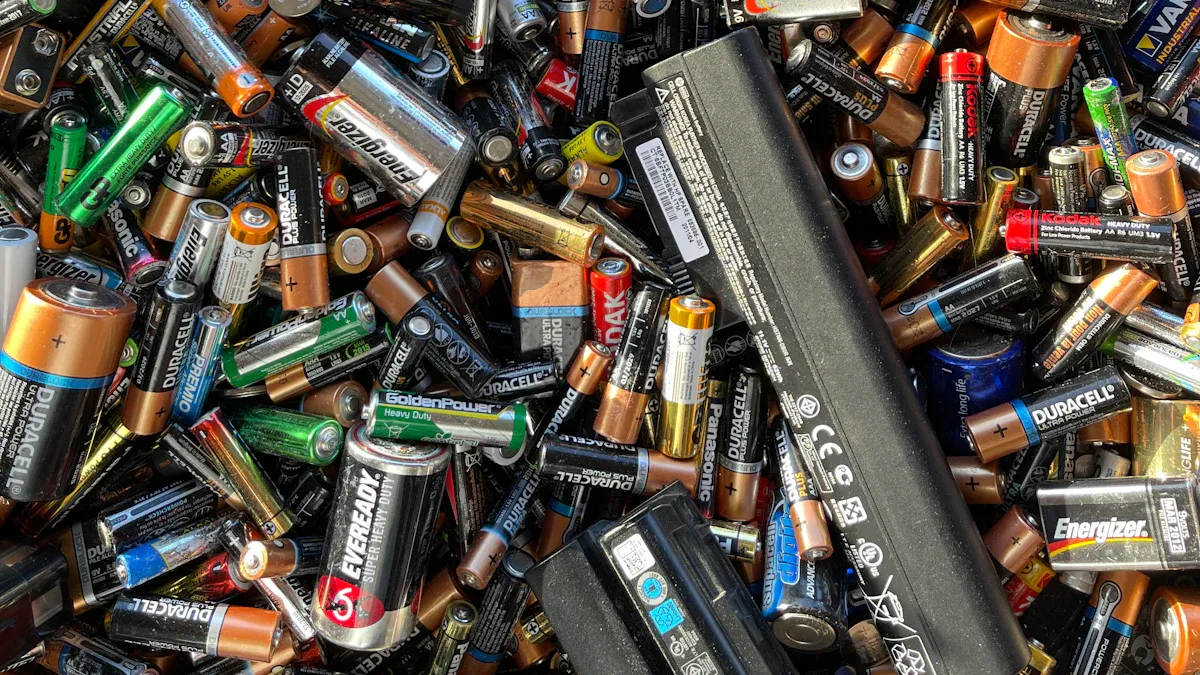
You have sourced your old packs. Now you can begin the extraction process. This part requires care and the right tools. Your safety is the most important thing when you get 18650 batteries this way.
Safety Warning: Handle with Extreme Care! ⚠️ You must handle 18650 lithium ion batteries with caution. Puncturing, denting, or short-circuiting a cell can cause a fire or explosion. Battery manufacturers warn that non-professionals should not dismantle packs. Always wear safety gear and work in a well-ventilated area away from flammable materials. Never work on a battery that feels hot.
Essential Extraction Tools
You do not need expensive equipment for this job. You can find most of these tools around your home. Before you start, gather your safety gear and tools.
- Schutzausrüstung: Always wear safety glasses and chemical-resistant gloves. Flame-resistant long sleeves are also a good idea.
- Prying Tools: A flathead screwdriver or a plastic pry tool helps open the plastic casing.
- Cutting Tools: You will need sharp wire cutters or precision snips to cut the thin nickel strips connecting each 18650 cell.
- Pliers: Needle-nose pliers are useful for gripping and removing small components.
Opening the Battery Casing
The first step is to open the main battery pack. Laptop battery casings are often held together by clips and adhesive. You can carefully work a pry tool along the seam to pop it open. Some power tool packs use screws, which you must remove first. Be patient and gentle. Applying too much force can damage the 18650 cells inside. Some packs are even welded shut and may require cutting to open.
Cutting the Nickel Strips
Inside the pack, you will see the 18650 cells connected in series and parallel. Thin metal strips, usually made of nickel, link the terminals. You must carefully cut these strips to free each individual battery. Use your precision wire cutters to snip the connections. Cut only one strip at a time. Make sure your tool never touches both the positive and negative terminals of a battery at the same time. This would cause a dangerous short circuit.
Cleaning the Cell Terminals
After you separate a cell, you will see small bits of the nickel strip left on its terminals. You need to clean these off. You can often grab a piece with pliers and gently wiggle or roll it off. For stubborn spots, some people carefully use a Dremel or a small file to grind them smooth. A clean terminal is essential for a good connection. A clean 18650 battery will perform better in your projects.
Testing Your Salvaged Batteries
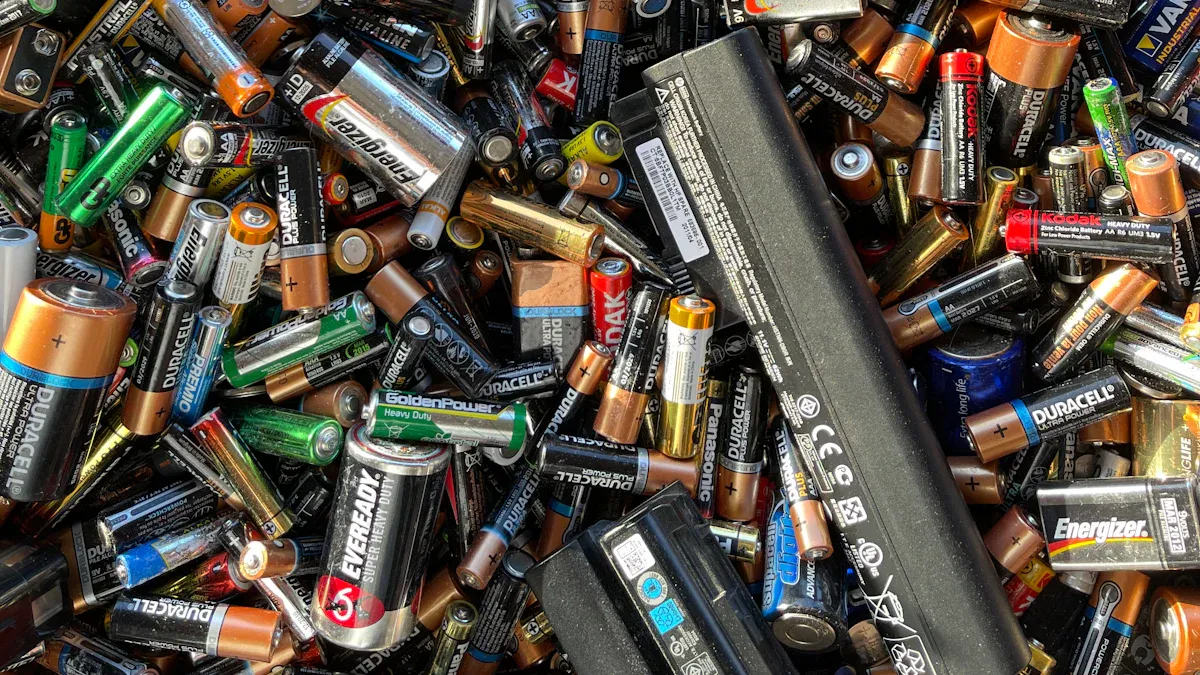
You have successfully extracted the cells. Now, you must test them. This step is critical because a salvaged 18650 battery might show a good voltage but have very poor capacity, making it useless for your projects. Testing ensures you only keep the healthy cells.
The Initial Voltage Check
Your first test is a simple voltage check. You will need a digital multimeter for this task.
- Set your multimeter to the DC voltage mode (often marked as V⎓).
- Touch the red (positive) probe to the positive terminal of the 18650 cell.
- Touch the black (negative) probe to the negative terminal.
A fully charged 18650 should read around 4.2V. A voltage below 2.5V indicates some degradation, but the battery might still be usable.
Important Voltage Rule ⚡ Any 18650 cell with a voltage below 1.0V is considered dead. Manufacturers like Samsung state you should not attempt to charge a battery in this state. You should safely dispose of this recycled battery at a proper facility.
How to Test Cell Capacity
Capacity tells you how much energy a battery can store. Think of it like the size of a car’s gas tank. This is measured in milliamp-hours (mAh). To test this, you need a smart battery charger or a dedicated capacity tester. Popular models include:
- SkyRC MC3000 (Advanced)
- Opus BT-C3400 (Mid-range)
- Zanflare C4 (Budget-friendly)
These devices run an automated test. You will select a “Capacity Test” or “NOR Test” mode. The tester charges the battery, discharges it while measuring the capacity, and then recharges it. This process can take several hours, but it gives you an accurate mAh reading for each 18650. This is the best way to get 18650 batteries that you know are reliable.
Labeling Your Free 18650 Batteries
After testing, you should label each good cell. This final step helps you organize your collection of free 18650 batteries. Use a permanent marker or a durable synthetic label to write the tested capacity directly on the side of the 18650 battery. This practice is essential when you build larger packs, as it allows you to group cells with similar capacities. Grouping ensures your final battery pack performs safely and efficiently.
You now have the knowledge to get free 18650 cells. You can source old packs, extract the cells safely, and test each battery. This method saves you money and helps the environment. Your next DIY project awaits, powered by a reliable 18650 battery. You could build a custom power bank or even a small powerwall for your workshop. Remember these key points for your first 18650 salvage project:
- Handle every battery with caution.
- Test each 18650 cell for capacity.
- A single bad battery can ruin your entire project.
FAQ
What are the best projects for salvaged 18650s?
You can use your free 18650 batteries for many DIY projects. They are perfect for building custom power banks, upgrading flashlights, or creating small solar power systems. Always use cells with similar capacities for any project that requires more than one battery.
How do I safely throw away a bad 18650 cell?
You must never throw lithium-ion batteries in the regular trash. This creates a serious fire hazard.
Proper Disposal Method ♻️ Take dead or damaged cells to a designated battery recycling center. Many home improvement or electronics stores also have free drop-off bins for safe battery disposal.
Can I use batteries with different capacities together?
You should never mix batteries with different capacities in the same device or battery pack. This is unsafe and inefficient. The stronger cells will overcharge the weaker ones, creating a fire risk. Always group cells with nearly identical mAh ratings for your projects.
Are all 18650 batteries the same size?
The name “18650” defines the standard size: 18mm in diameter and 65mm long. However, some cells have a protection circuit board (PCB) added to the top. This “button-top” feature makes the battery slightly longer. You should check if your project requires protected or unprotected cells.
 EN
EN ES
ES FR
FR DE
DE RU
RU ZH
ZH