

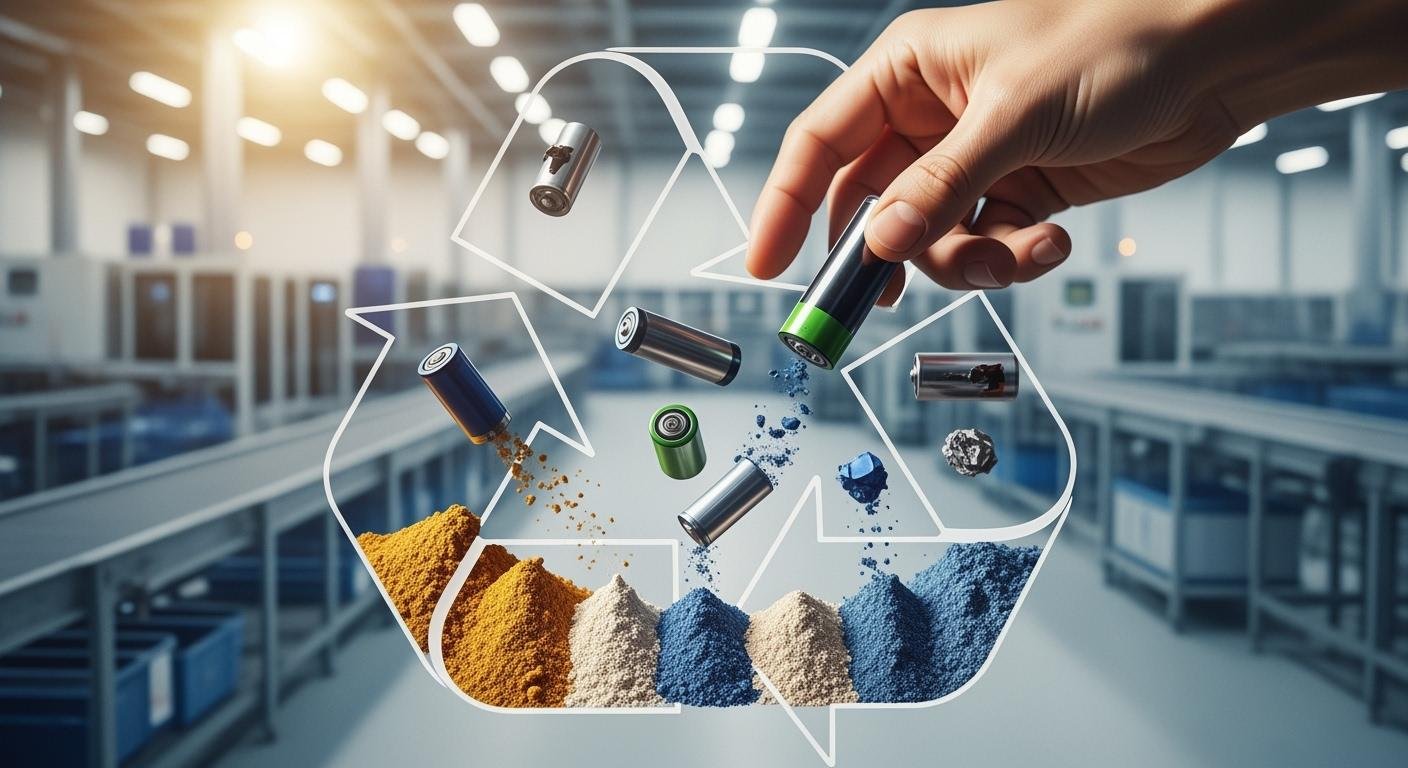
You can find lithium battery recycling services through online locators, local waste programs, or major retailers. With less than 1% of lithium-ion batteries recycled in the U.S., proper battery recycling is critical. When you throw away lithium-ion batteries, they can leak toxic metals like cobalt and nickel into soil and water. These discarded lithium-ion batteries are also a leading cause of fires in waste facilities. Your commitment to battery recycling helps prevent pollution and protects communities from dangerous fires caused by volatile lithium-ion batteries.
How to Choose a Recycling Company
You have old lithium-ion batteries and want to do the right thing. Choosing the right recycling company is your most important step. A good partner ensures your batteries are handled safely from start to finish. You should consider a few key factors to find the best recycling company for your needs.
Check for R2 or e-Stewards Certifications
You should always look for a certified recycling company. Certifications show that a company follows strict rules for safety and environmental protection. Partnering with a certified recycler guarantees the responsible handling of your old electronics and secure management of any personal data. This choice protects you from the risks of data breaches and ensures the recycling process is safe for communities. Non-certified recyclers might illegally dump waste, which can harm the environment and people’s health.
Tipp: Look for the R2 or e-Stewards logo on a recycler’s website. This recycling certification is your proof that they meet the highest industry standards for handling lithium-ion batteries.
Two main certifications lead the industry:
- R2 (Responsible Recycling): An R2 certified recycling company must prioritize reuse and recovery before considering other disposal methods. The R2 standard requires a strong management system for environment, health, and safety. It also has strict rules for data security, ensuring any personal information on devices is destroyed.
- e-Stewards: This certification focuses heavily on stopping the export of hazardous electronic waste to developing countries. An e-Stewards certified recycling company must prove it handles data securely by getting a separate NAID AAA certification. The standard also covers worker safety and environmental protection throughout the entire recycling process.
Confirm Accepted Lithium-Ion Batteries
Not every facility accepts all types of lithium-ion batteries. A recycling company might specialize in certain kinds. Before you go, confirm the company accepts your specific items.
Check the company’s website or call them to ask about the lithium-ion batteries you have. Common types include:
- Small Cells: Found in cell phones, laptops, and vapes.
- Battery Packs: Used in power tools, drones, and e-bikes.
- Large-Format Batteries: From electric vehicles (EVs) or energy storage systems.
Confirming this information first saves you time and effort. It ensures the recycler is equipped to handle your specific lithium-ion batteries safely.
Evaluate Convenience and Cost
Your final decision may depend on convenience and cost. You want a solution that is both easy and affordable. Luckily, you have many great options for recycling your lithium-ion batteries.
Most consumers can recycle their lithium-ion batteries for free. Many retailers and local waste programs offer no-cost drop-off services. Some manufacturers even provide free mail-in programs. For example, Stanley Black & Decker offers a free mail-in kit for its products containing non-removable lithium-ion batteries.
You can compare your options using a simple table:
| Recycling Option | Convenience | Kosten | Am besten für |
|---|---|---|---|
| Local Drop-off | High; many locations available. | Usually free. | A few household lithium-ion batteries. |
| Mail-in Program | High; recycle from home. | Often free. | Specific brands or damaged batteries. |
| Specialized Recycler | Varies; may require travel. | May have fees. | Large quantities or special types of batteries. |
Choosing the best recycling company involves checking for certifications, confirming they accept your items, and finding a convenient, low-cost option.
Finding Local Lithium Battery Recycling
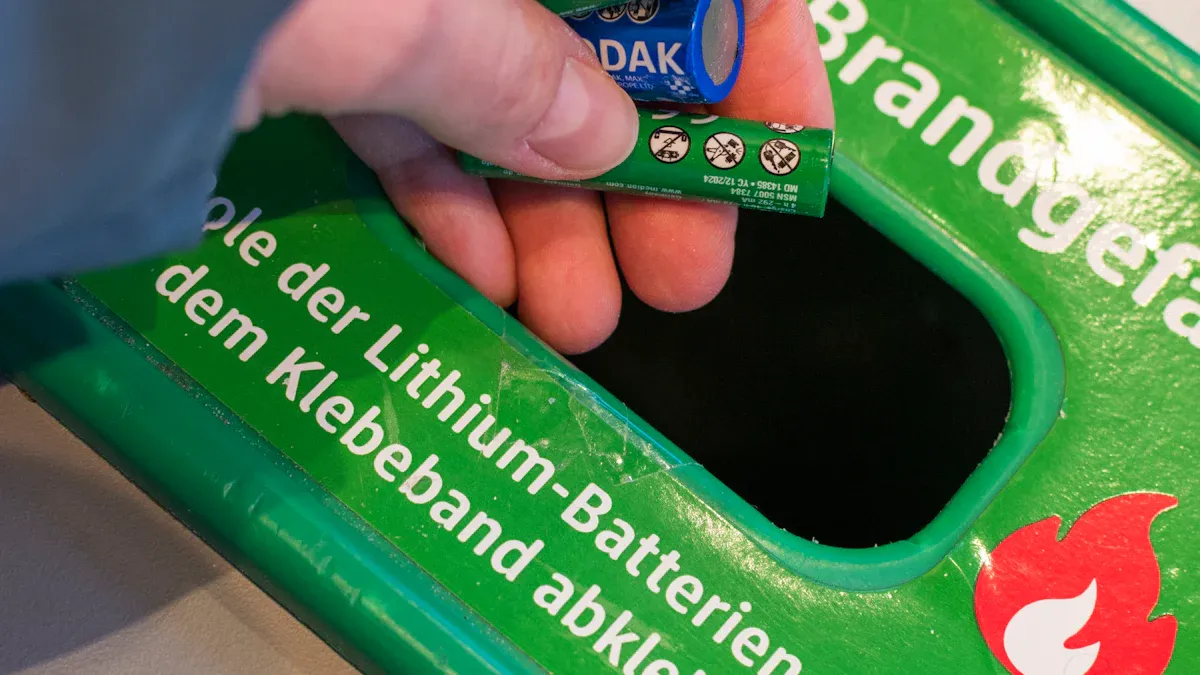
Finding a place to recycle your old Lithium-Ionen-Batterien is easier than you think. You have several convenient options right in your community. You can use online tools, check with your city, or visit a local store. Each path helps you dispose of your lithium-ion batteries safely.
Use Online Locator Tools
Online locator tools are the fastest way to find a drop-off location. These websites use your zip code to show you nearby recycling options. They make the first step of lithium battery recycling simple and quick.
- Call2Recycle: This organization runs a major battery recycling program in North America. You can visit the Call2Recycle website and use the “Find a Drop-off Location” tool. Just enter your address to see a map of participating sites.
- Earth911: The Earth911 search tool has a large database of recycling solutions. You can search for specific items like “Lithium-Ion Batteries” to find a recycling company that accepts them. This tool helps you find the right place for your specific needs.
- The Battery Network: This locator also helps you find trusted drop-off locations. You enter your zip code to get started. The tool tells you what types of batteries each site accepts. You should always check the location’s details before you visit, as some sites take household lithium-ion batteries while others accept specialty batteries from e-bikes.
Check Local HHW Programs
Your local government likely runs a Household Hazardous Waste (HHW) program. These programs are designed to safely collect materials that should not go in your regular trash, including many types of lithium-ion batteries.
You can find information about your local HHW facility on your city or county’s website. Look for the public works or sanitation department page. There, you will find:
- Schedules and Locations: Many facilities operate on specific days or require an appointment.
- Accepted Materials: The website will list everything you can bring. HHW programs often accept a wide range of items beyond lithium-ion batteries.
What else can you bring to an HHW event? ♻️ Besides lithium-ion batteries, most HHW facilities also accept items like old paint, pesticides, automotive fluids, cleaning chemicals, and fluorescent light bulbs. This makes it a great one-stop-shop for clearing out hazardous materials from your home.
When you visit an HHW recycling center, you may need to show proof of residency. Staff will be on-site to guide you on where to place your items. Following their instructions ensures a safe and efficient battery recycling process.
Visit Major Retailers
Many major retailers offer free in-store battery recycling programs. This is a very convenient option because you can drop off your old lithium-ion batteries while you shop. These stores partner with a recycling company to manage the collection.
| Retailer | Program Details |
|---|---|
| The Home Depot | Partners with Call2Recycle. You can find collection kiosks near the store entrance for rechargeable lithium-ion batteries from power tools. |
| Lowe’s | Offers recycling for rechargeable batteries at Recycling Centers in the front of the store. They do not accept single-use alkaline batteries. |
| Best Buy | Works with Call2Recycle to collect a wide range of electronics and batteries. You can drop off your items at any Best Buy store. |
| Staples | Provides a free recycling service for technology, including devices containing lithium-ion batteries. |
These programs make lithium battery recycling part of your regular errands. Each store works with a certified recycling company to ensure your batteries are handled correctly.
Contact Specialized Recyclers
For large amounts of batteries or special types, you may need a specialized recycling company. These companies, such as Lithion Recycling Inc. oder Veolia, offer services that go beyond what retail or municipal programs provide. A specialized recycling company is your best choice for:
- Large quantities of lithium-ion batteries from a business.
- Batteries from electric vehicles (EVs).
- Specialized batteries from e-bikes or energy storage systems.
These experts can handle complex logistics and processing. Some even offer services like grading materials to provide a monetary return. If you have more than a few household batteries, contacting a professional recycling company ensures they are managed with the highest level of safety and efficiency. This is a key part of the battery recycling chain.
Preparing for Battery Recycling
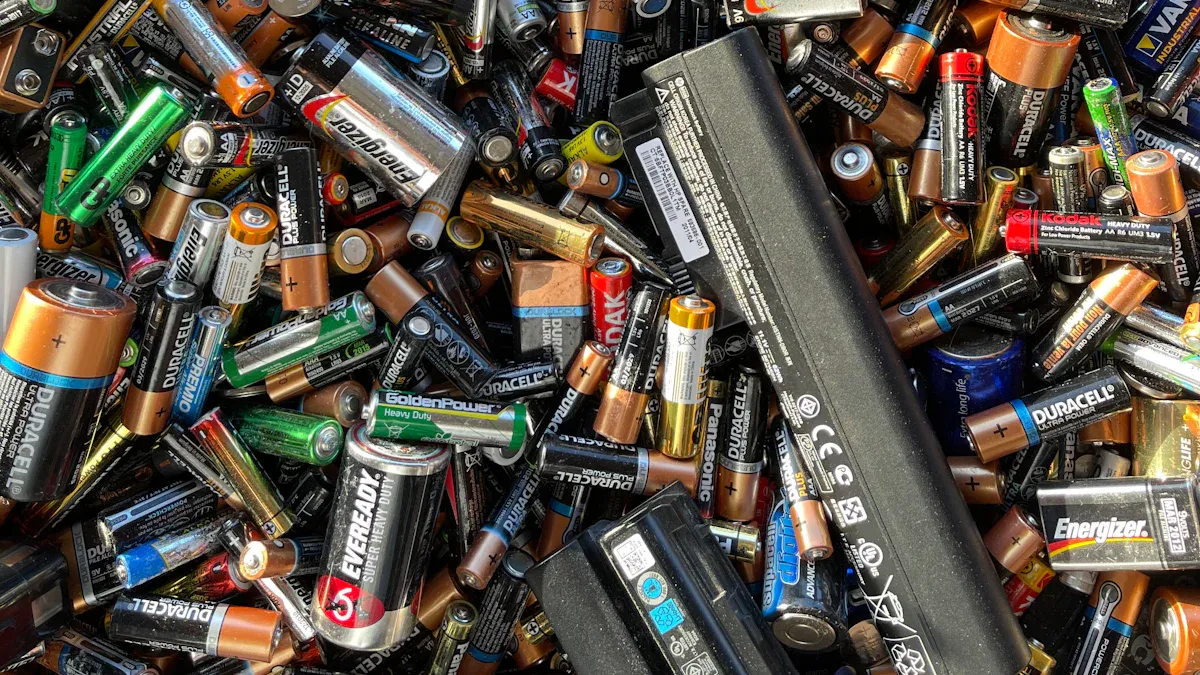
You must prepare your old lithium-ion batteries correctly before taking them for recycling. Proper preparation is a crucial step in the battery recycling process. It prevents short circuits, which can cause fires during transport and storage. Taking a few simple safety measures protects you and the workers who handle these items.
Safely Tape Battery Terminals
You should cover the metal contacts, or terminals, on your lithium-ion batteries. This simple action prevents them from touching other batteries or metal objects. For this task, you can use painter’s tape. Its paper material is a good insulator, and it will not leave a sticky residue on the lithium-ion batteries. Clear plastic tape also works well. Just place a small piece of non-conductive tape over the connection points.
Bag Batteries Individually
Another way to keep lithium-ion batteries safe is to place them in separate bags. This is an important part of the battery recycling process. You can use clear plastic zipper bags for this.
- Place each of your lithium-ion batteries in its own sealed bag.
- For small button or coin cell lithium-ion batteries, you can either tape the terminals or put each one in a separate bag.
This step ensures the terminals cannot make contact with each other. Following this guideline makes the entire lithium battery recycling journey safer. This is a key part of the battery recycling preparation.
Handle Damaged Batteries with Care
You must be extremely careful with damaged lithium-ion batteries. A damaged battery is a serious fire hazard. You can identify a damaged battery by looking for certain signs.
Signs of a Damaged Battery:
- Swelling or a puffy shape, sometimes called a “spicy pillow”
- Dents, cracks, or punctures in the casing
- Leaking fluid or crusty deposits on the battery
If you find a damaged or swollen battery, you need to handle it with extreme caution. Do not attempt to charge or use these lithium-ion batteries.
Safety First! ⚠️ If you see a swollen battery, do not try to remove it yourself if you are unsure. Power down the device and take it to a professional. If a battery is smoking or feels very hot, clear the area of anything flammable and call for help if needed. Your safety is the top priority in the lithium battery recycling journey.
Place any damaged lithium-ion batteries in a fireproof container, like a metal box, and move it to a safe, ventilated area away from flammable materials. Contact your local hazardous waste facility for specific disposal instructions.
You can now confidently choose a home for your old lithium-ion batteries. Your decision is a key part of the battery recycling process. Use this quick checklist to guide you:
- Certification: Look for R2 or e-Stewards partners.
- Accepted Items: Confirm they take your type of lithium-ion batteries.
- Convenience: Find a free and easy drop-off for your lithium-ion batteries.
Proper battery recycling protects our environment from harmful lithium-ion batteries. Your commitment ensures these lithium-ion batteries are handled safely. Remember to use Call2Recycle’s locator or your local HHW program to recycle your lithium-ion batteries.
FAQ
What happens if I throw lithium-ion batteries in the trash?
You should never put lithium-ion batteries in the trash. They can get crushed and start fires in garbage trucks or at waste facilities. The batteries also contain toxic metals that can leak into the soil and water, causing pollution.
Can I recycle all types of lithium-ion batteries together?
No, you should not mix different types. A facility that accepts cell phone batteries may not take e-bike batteries. You must always check with the recycling location first to see what specific lithium-ion batteries they accept.
Is it always free to recycle lithium-ion batteries?
For most people, yes! You can recycle household lithium-ion batteries for free at most retail stores and local HHW facilities. Businesses with large quantities might have to pay a fee for specialized recycling services.
Why do I need to tape the battery terminals?
You tape the terminals to prevent fires. Taping the metal ends stops them from touching other metal objects. This simple step prevents a short circuit, which could make the battery spark or overheat during transport and handling.
 EN
EN ES
ES FR
FR DE
DE RU
RU ZH
ZH