

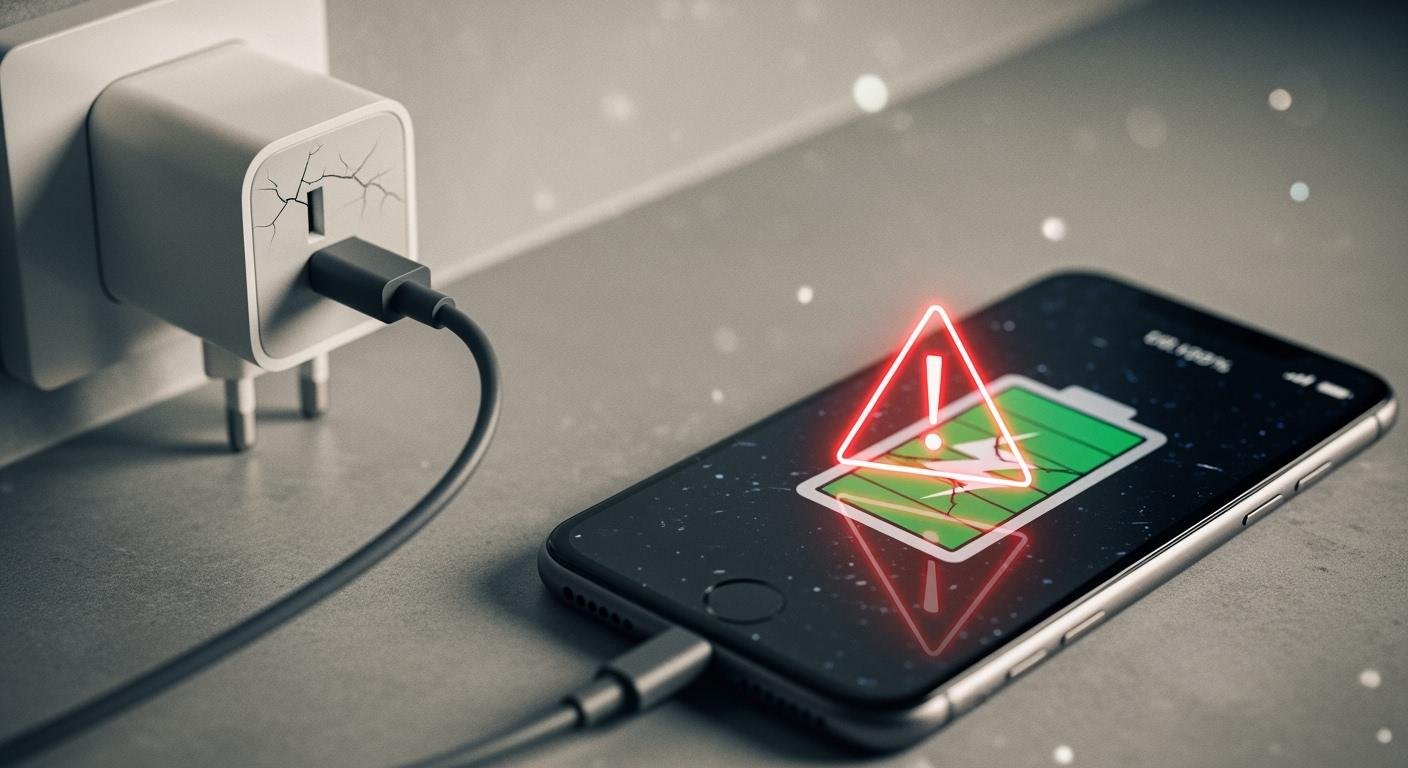
You should not use a normal charger for your lithium battery. The risks are too high. While it might seem to charge the battery, this is misleading.
The core issue is mismatched charging technology. A standard charge process lacks the specific safety features your lithium battery requires.
This mismatch affects how you charge a lithium battery and can cause damage. Proper charging is vital for the battery’s health and your safety, so you must get the charge right.
Why a Normal Charger Fails a Lithium Battery
A normal charger fails because it speaks a different language than your lithium battery. The core of charger compatibility lies in matching the charging method. An incompatible charger follows a script your battery cannot understand, leading to poor performance and damage.
Mismatched Voltage and Charging Profiles
Your lithium battery needs a simple, two-stage charge process called CC/CV (Constant Current/Constant Voltage). In contrast, a normal charger, designed for lead-acid batteries, uses a more complex multi-stage profile. This difference is the root of the compatibility problem.
Charging Profile Showdown ⚔️ A lithium specific charge profile is direct and efficient. A lead-acid profile includes extra steps that are harmful to a lithium battery.
| Merkmal | Lead-Acid Charger Profile | Lithium Charger Profile (CC/CV) |
|---|---|---|
| Stage 1 | Bulk: Pushes high current to the battery. | Constant Current (CC): Pushes steady current until a set voltage is met. |
| Stage 2 | Absorption: Holds voltage steady as current drops. | Constant Voltage (CV): Holds voltage steady as current drops. Charge stops here. |
| Stage 3 | Float: Applies a low, constant charge to maintain 100%. | None: The charge cycle ends. No float charge is needed. |
The Problem with Float and Equalization Modes
Two stages in a lead-acid charging cycle are particularly dangerous for lithium cells: equalization and float.
- Equalization Mode: Some advanced lead-acid chargers use an “equalization” charge to balance cells, pushing voltages above 15V. This is far too high for a li-ion battery. Voltages over 4.1V per cell can cause permanent damage, leading to capacity loss and creating a risk of overcharging.
- Float Mode: A lead-acid battery charger often finishes with a “float” charge. This continuous, low-power charge is designed to keep a lead-acid battery topped off. However, a lithium battery does not need this. A constant float charge causes gradual overcharging, which can damage internal components and shorten the battery’s life.
Can a Normal Charger Fully Charge the Battery?
Even if a normal charger avoids immediate damage, it likely will not fully charge a lithium battery. The battery’s internal Batterie-Management-System (BMS) requires a specific voltage to activate its cell-balancing function. A lead-acid battery charger often operates at a voltage that is too low during its final stages. This prevents the BMS from balancing the cells, meaning your battery never reaches a true 100% charge. This mismatch prevents you from getting the full capacity and performance you paid for.
The Potential Risks of Using a Normal Charger
Using a normal charger introduces significant potential risks to your Lithium-Batterie. These dangers are not just theoretical; they range from immediate charging failures to catastrophic events. Understanding these risks is key to protecting your investment and ensuring your safety.
Immediate Effects: BMS Protection and Faults
Your Lithium-Batterie contains a “brain” called the Battery Management System (BMS). This system is your first and most important line of defense. The BMS acts as a vigilant guardian, constantly monitoring the battery‘s health. Its primary jobs include:
- Voltage Monitoring: It ensures each cell stays within a safe voltage range (e.g., 2.5V to 4.2V for a
li-ioncell). - Current Control: It prevents damage by cutting off the circuit if the
chargingcurrent is too high. - Temperatur-Management: It monitors for extreme heat or cold and can pause the
chargeto prevent damage. - Zellausgleich: It works to keep all cells at a similar
chargelevel, which is vital forbatteryhealth.
When you connect an incompatible charger, the BMS immediately detects a problem. The charger’s voltage is often too high for the lithium cells. A BMS will typically cut off power if the voltage approaches a dangerous threshold, such as 14.4V. This action prevents an immediate Überladung event.
🚨 Fault Detected! Your device may signal a problem. You might see a specific error code on a display screen, or the
chargingindicator light on the charger may blink or fail to turn on. This is the BMS telling you that thechargehas been stopped forsafetyreasons.
Long-Term Damage and Reduced Lifespan
What happens if the BMS doesn’t immediately shut down the charge? You might think everything is fine, but “silent damage” could be occurring. Repeatedly using the wrong charger contributes to irreversible internal problems, drastically shortening your battery’s lifespan.
One of the main issues is cell imbalance. Überladung even slightly causes internal alterations, like damage to the cathode and plating of lithium metal on the anode. Over time, some cells degrade faster than others. This imbalance creates a cascade effect:
- Premature Capacity Fade: The battery’s ability to hold a full
chargediminishes rapidly. - Single Cell Failure: One weak cell can limit the performance of the entire pack, causing it to underperform and fail sooner.
- Inaccurate Readings: As cells degrade unevenly, the
battery‘s state ofcharge(SOC) meter becomes unreliable, leading to unexpected shutdowns.
This gradual degradation means you lose performance and capacity long before you should. The damage is slow and often goes unnoticed until the battery can no longer hold a useful charge.
Overcharging, Overheating, and Fire Hazards
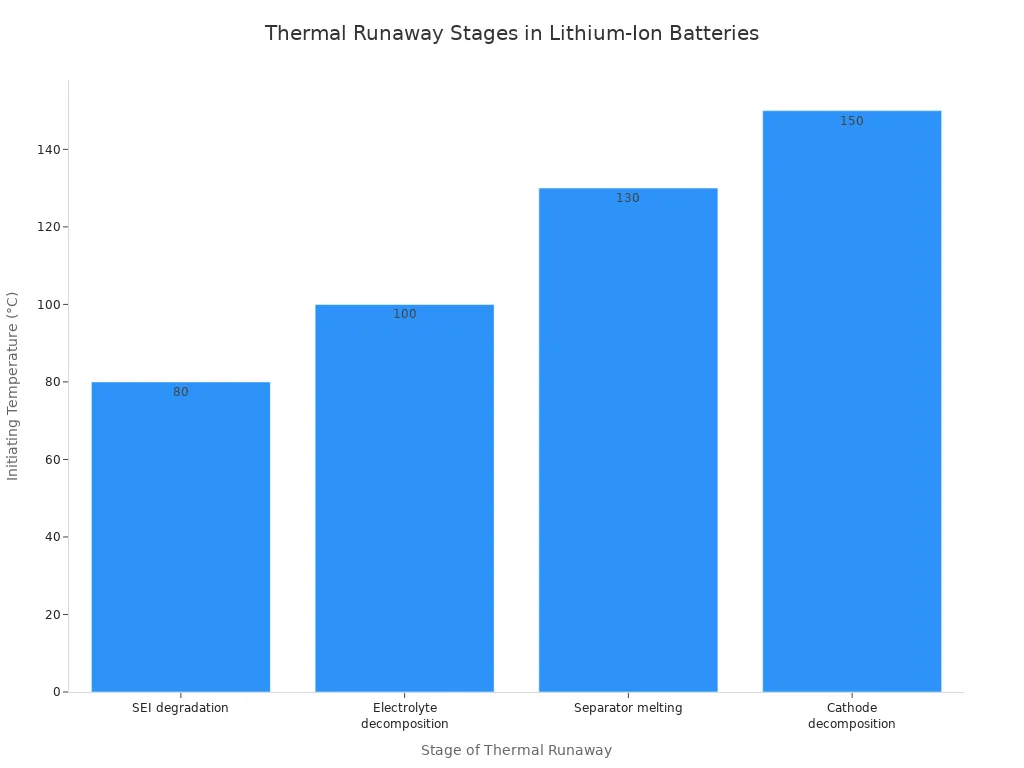
The most severe risk of using the wrong charger is fire. This is one of the biggest safety concerns related to lithium batteries. When a Lithium-Batterie is subjected to continuous Überladung without a functioning BMS to stop it, a dangerous process called thermal runaway can begin.
Thermal runaway is a chemical chain reaction where the battery heats up uncontrollably. This creates a self-accelerating cycle of more heat and more chemical reactions, releasing flammable gases.
| Stage | Initiating Temperature | Beschreibung |
|---|---|---|
| SEI Degradation | ~80°C (176°F) | The protective layer inside the cell breaks down. |
| Electrolyte Decomposition | ~100°C (212°F) | The electrolyte begins to boil, releasing flammable gas. |
| Separator Melting | ~130°C (266°F) | The plastic separator melts, causing an internal short circuit. |
| Cathode Decomposition | ~150°C (302°F) | The cathode breaks down, releasing oxygen that fuels a fire. |
⚠️ Real-World Danger Fire officials have identified incompatible chargers as a primary cause of
lithiumbattery fires. A coroner’s report concluded a fatal e-scooter fire was caused by an “uncontrolled thermal runaway event” resulting fromchargingwith the wrong charger.
A battery without a BMS, or with a bypassed BMS, has no “last guard rail” for safety. Überladung goes unchecked, pressure builds, and the risk of a violent fire or explosion becomes extremely high. To properly charge a lithium battery and ensure your safety, you must avoid these hazards at all costs.
The Correct and Safe Way to Charge
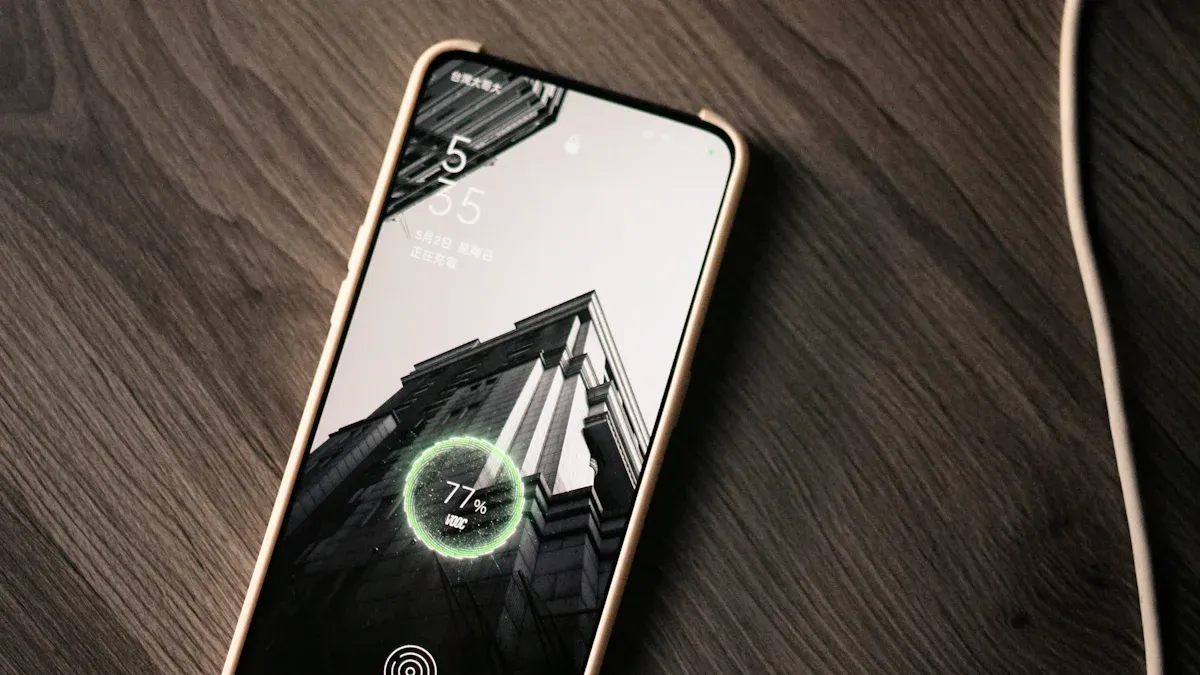
After learning the risks, you now understand why proper charging is non-negotiable. Following the correct procedure protects your investment, maximizes performance, and ensures your safety. The right method involves more than just plugging in a cable; it requires the right equipment and knowledge. These are the best practices for charging your lithium battery.
How to Properly Charge a Lithium Battery
To properly charge a lithium battery, you must create the right conditions. Temperature plays a huge role in the health of a lithium battery. Charging your li-ion battery in extreme heat or cold can cause permanent damage. For the best results and maximum lifespan, always charge your battery in a controlled environment.
Optimal Charging Temperatures 🌡️
- Ideal Range: For the longest battery life, charge between 15°C and 30°C (59°F to 86°F).
- Safe Range: You can safely charge between 10°C and 40°C (50°F to 104°F).
- Avoid Damage: Never charge a lithium battery below 0°C (32°F), as this can cause irreversible damage.
Use a Dedicated Lithium-Specific Charger
The single most important rule is to use a battery charger made specifically for lithium chemistry. These lithium compatible chargers are engineered to “speak the same language” as your battery’s BMS. A dedicated charger uses a Constant Current/Constant Voltage (CC/CV) profile that gives your battery exactly what it needs. It stops the charge completely when the battery is full, which is crucial for safety and longevity. Normal chargers use float or equalization stages that will damage a lithium cell over time.
| Merkmal | Dedicated Lithium Charger | Normal (Lead-Acid) Charger |
|---|---|---|
| Charging Profile | CC/CV; stops when full. | Multi-stage with float mode. |
| BMS Communication | Works with the BMS for safety. | Ignores the BMS. |
| Sicherheit | Optimized for lithium chemistry. | Lacks specific lithium protections. |
| Recommendation | Highly Recommended | Not Recommended |
Brands like Nitecore, XTAR, and LiitoKala offer excellent lithium compatible chargers that guarantee compatibility and safety.
Match the Charger’s Specs to Your Battery
Charger compatibility is critical. You must match the charger’s specifications to your battery.
- Spannung: The charger’s voltage MUST match your battery’s voltage (e.g., a 12V battery needs a 12V battery charger). A mismatch here is dangerous.
- Amperage (Current): The charger’s amperage determines how fast the battery will charge. A lower amperage will charge the battery slowly, while a higher one will charge it faster. For a 100Ah lithium battery, a charge rate between 20A and 50A is common. Always check your battery’s manual for the recommended charging current, often expressed as a “C-rate.” Using a charger with the wrong amperage can lead to inefficient charging or, in worst-case scenarios, damage the battery.
The convenience of using a normal charger is not worth the serious risks. Improper charging leads to poor performance, a shorter battery lifespan, and significant safety hazards. Experts agree that a dedicated battery charger is essential. It provides the correct charge profile and includes critical safety features. To properly charge a lithium battery, you must use the right equipment. This protects your investment and ensures your safety.
Your final takeaway is simple. Always invest in a high-quality lithium charger. This is the only way to guarantee a safe and effective charge, protecting you from the risks of damage and fire.
FAQ
Can I use a lead-acid charger with a “lithium” mode?
Yes, you can often use these chargers. The “lithium” or “LiFePO4” setting uses a CC/CV profile and disables harmful float modes. You should always confirm the charger’s voltage matches your battery’s specifications to ensure complete safety and compatibility.
What happens if I charge a lithium battery in the cold?
You should never charge your battery below 0°C (32°F). Charging in freezing temperatures causes permanent internal damage called lithium plating. This action greatly reduces the battery’s capacity and lifespan. Always bring your battery to a warmer location before charging it.
How do I know if my charger is for lithium batteries?
You can identify a lithium charger by checking its label or manual. It will clearly state its compatibility with lithium chemistry (e.g., “For Li-ion” or “LiFePO4”).
A dedicated lithium charger will also specify a CC/CV (Constant Current/Constant Voltage) charging profile and will not mention a “Float” or “Equalization” mode.
Is a trickle charger safe for a lithium battery?
No, you should never use a trickle charger on a lithium battery. Lithium batteries do not need a continuous charge. A trickle charge will overcharge the cells, leading to damage and creating a serious safety risk.
| Akku-Typ | Trickle Charge Needed? | Reason |
|---|---|---|
| Blei-Säure | Ja | High self-discharge rate. |
| Lithium | Nein | Low self-discharge rate. |
 EN
EN ES
ES FR
FR DE
DE RU
RU ZH
ZH