

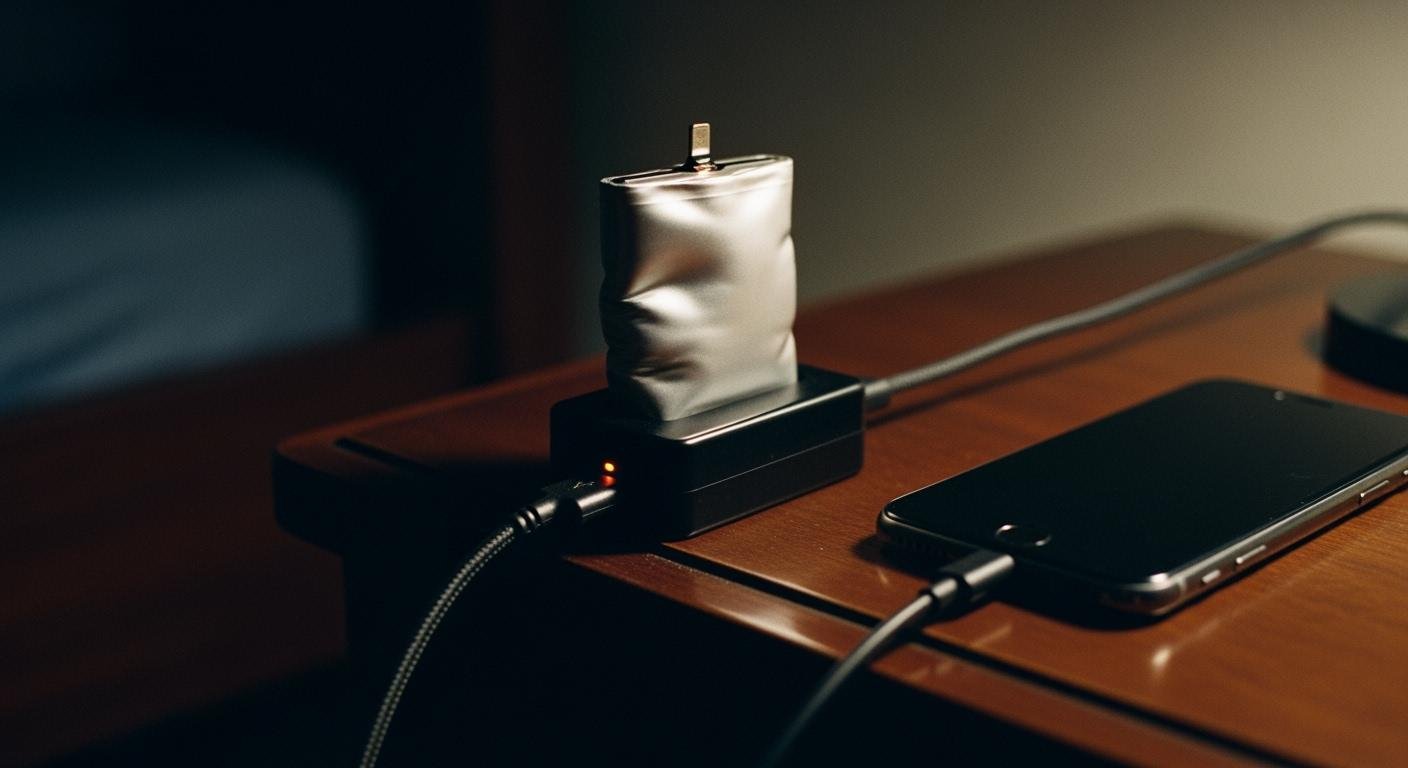
Hinweis: Leaving a lithium polymer battery charging overnight is not recommended, even with modern technology.
The practice of overnight charging introduces two main issues. First, it poses an immediate safety risk if equipment fails during the charging process. Second, it guarantees long-term damage to the battery. This constant charging harms the battery’s health and reduces its overall lifespan.
The Dangers of Overnight Charging
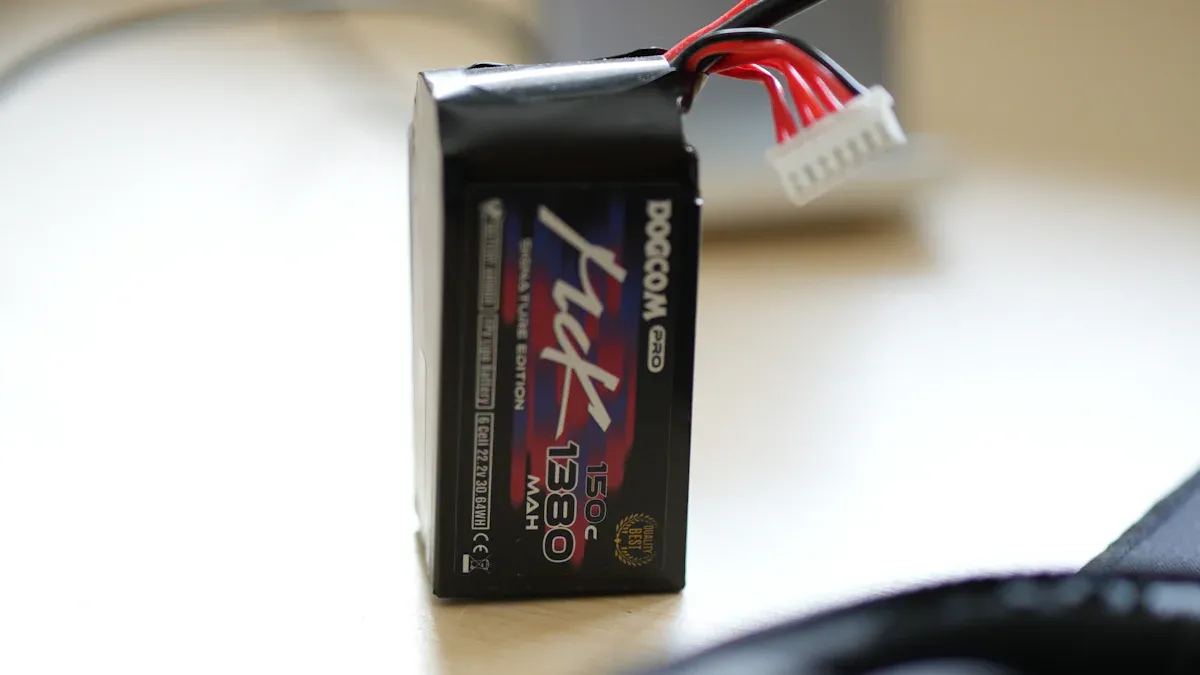
Leaving a lithium polymer battery on a charger unattended presents significant safety risks. The most severe danger is a catastrophic failure known as thermal runaway. This event is not just a simple fire; it is an aggressive and self-sustaining chemical reaction that is extremely difficult to extinguish. Understanding this risk is the first step toward better battery safety.
Why Charging Overnight is a Risk
The primary risk of charging overnight is the potential for equipment failure while the user is asleep. Even high-quality smart chargers can malfunction. A faulty charger might fail to stop the charging process, continuously pushing energy into a full battery. This leads to overcharging, which dramatically increases the chance of thermal runaway and creates serious fire hazards.
What is Thermal Runaway? 🌡️ Thermal runaway is a chain reaction inside a battery. Heat builds up faster than it can escape. This process causes the battery to vent hot, flammable gases, swell, and often ignite or explode.
The chemical process that starts thermal runaway is a multi-stage failure:
- The protective Solid Electrolyte Interphase (SEI) film inside the battery degrades.
- The separator between the anode and cathode melts, and the electrolyte decomposes, releasing oxygen.
- Finally, the cathode itself breaks down, releasing a large volume of oxygen that fuels an intense internal fire, leading to complete thermal runaway.
It is important to differentiate the risks. Hobby-grade LiPo batteries, often used in drones and RC cars, present a higher risk. They typically lack the robust, integrated safety circuits found in consumer electronics. In contrast, charging lithium-ion batteries overnight in devices like smartphones is safer due to advanced battery management systems. These systems include automatic overcharge protection. However, the risk is never zero, as any electronic component can fail.
The Problem of Cell Imbalance
Many LiPo packs are not a single battery. They are composed of multiple individual cells connected together. For safe charging, every cell must have the same voltage. A quality charger balances the cells, ensuring they all reach full charge together.
A problem arises when a charger malfunctions or a battery ages unevenly. One cell might reach its peak voltage while others lag behind. If the charging continues, that one cell will become overcharged. This imbalance places immense stress on the overcharged cell, making it a weak point. An imbalanced battery is significantly more prone to failure and thermal runaway, making overnight charging a dangerous gamble.
Hidden Defects and Internal Shorts
Every battery has the potential for tiny, invisible manufacturing flaws. The stress of overcharging can also create new defects. This is a major safety concern.
- During overcharging, metallic lithium can build up on the anode.
- This buildup can form sharp, needle-like structures called dendrites.
- These dendrites can pierce the separator, creating an internal short circuit inside the battery and triggering thermal runaway.
Even a perfectly functioning charging process can be dangerous if the battery has pre-existing defects. The constant voltage from charging overnight can expose these hidden issues. Common manufacturing defects that create fire hazards include:
- Contamination from tiny metal particles or dust during assembly.
- Weak spots or microscopic pinholes in the separator material.
- Uneven coatings or micro-cracks on the electrodes.
A lithium polymer battery with such a defect is a ticking time bomb. The prolonged stress of charging overnight can be the exact trigger that causes the defect to lead to a short circuit, igniting the battery. This is why active supervision during charging is a non-negotiable rule for battery safety.
How Overcharging Damages Battery Health

Beyond the immediate fire risk, leaving a lithium polymer battery charging overnight guarantees long-term damage. This practice subjects the battery to conditions that accelerate its decline, permanently reducing its performance and lifespan. Understanding this slow but certain damage is key to maximizing the value and longevity of your batteries.
Stress on a Lithium Polymer Battery
Keeping a battery at its peak voltage of 4.2 volts per cell for an extended period is highly stressful for its internal chemistry. Think of a fully charged battery like a rubber band stretched to its absolute limit. Holding it in that state causes fatigue and permanent damage. Similarly, a battery held at 100% charge experiences accelerated battery degradation.
This constant high-voltage state promotes unwanted chemical reactions that break down the electrolyte and damage the electrode structures. Over time, this stress manifests in physical ways. A battery that has been damaged by overcharging or improper storage may show several warning signs:
- Puffing: The battery cells lose their firm, flat shape and appear swollen or rounded.
- Sweet, pungent smell: A distinct chemical odor indicates the electrolyte is venting.
- Getting hot during charging: The battery becomes unusually warm, even at a standard charging rate.
- Out-of-balance cells: The charger reports that one cell’s voltage is very different from the others, a common result of stress from overcharging.
Accelerating Capacity Loss
The stress from prolonged charging directly leads to a faster loss of capacity. This means the battery can no longer hold as much energy as it did when it was new. A primary cause of this is an increase in the battery’s internal resistance.
Increased internal resistance acts like a bottleneck, restricting the flow of energy. In high-drain applications like drones or RC cars, this has a significant impact. The battery cannot deliver the quick bursts of power needed for acceleration or climbing. This resistance causes the battery voltage to dip sharply under load, which can trigger the device’s low-voltage cutoff prematurely, even when the battery still has energy left. This reduces the effective runtime of the battery. Furthermore, higher internal resistance generates more heat during use, which causes further battery degradation and can compromise safety. Engineering research shows that managing and reducing internal resistance is critical for performance.
The Myth of Trickle Charging
Some users believe a smart charger will simply “trickle charge” a battery to keep it full, a common practice with older battery technologies like Nickel-Metal Hydride (NiMH). This is a dangerous misconception for LiPo batteries. A lithium-ion or lithium polymer battery should never be trickle charged.
The charging processes for these battery types are fundamentally different. A special balance charger for a LiPo battery must carefully monitor each cell to prevent overcharging, whereas a NiMH charger has a simpler task.
| Merkmal | NiMH-Batterien | LiPo-Batterien |
|---|---|---|
| Charging Mechanism | Uses low-current trickle charge; stops when full. | Monitors each cell individually to prevent overcharging. |
| Safety Concern | Can overheat but is generally safer. | Overcharging can cause swelling, fire, or explosion. |
| Ladegerät Typ | Simpler trickle or delta peak chargers. | Requires a special balance charger. |
The real problem with charging overnight is that some chargers can mistakenly re-initiate a full charging cycle on a battery that is already full. This can happen if other devices cause a small voltage drop or if the charger uses a simple timed cycle. This repeated “topping off” is a form of overcharging. Each time the charging cycle restarts, it puts the battery back into that high-stress, fully charged state, compounding the battery degradation and shortening its useful life.
Best Practices for Safe Charging
Following the best charging practices is essential for battery longevity and personal safety. Good charging habits not only protect the user’s investment in their batteries but also significantly reduce the risk of accidents. These guidelines provide a clear framework for safe and effective battery management.
Always Supervise Your Charger
Active supervision is the number one rule for LiPo battery safety. A user should never leave a charging battery unattended. The most effective way to prevent accidents is through constant monitoring charging. Even chargers with automatic overcharge protection can fail. Therefore, monitoring charging provides a critical layer of safety. This simple act of monitoring charging allows a person to react immediately to signs of trouble, such as swelling or overheating. Consistent monitoring charging is the best safety guideline you can follow.
Use the Right Equipment and Settings
Using the correct equipment is fundamental to battery safety. A quality balance charger is a necessary investment. When purchasing a charger, users should look for key safety certifications that verify its quality and adherence to standards.
- UL (Underwriters Laboratories): Ensures the product is safe from electrical and fire hazards.
- CE (Conformité Européenne): Guarantees compliance with European safety and health requirements.
- FCC (Federal Communications Commission): Confirms the charger will not interfere with other electronics.
Proper settings are just as important. The safest charge rate for any LiPo battery is ‘1C‘. This means charging the battery at a current equal to its capacity.
Calculating 1C Charge Rate 💡 To find the 1C rate in Amps, divide the battery’s mAh capacity by 1000. For example, a 2200mAh battery should have its charging set to 2.2 Amps. This ensures minimal stress on the battery.
Charge in a Fire-Resistant Location
Where a battery is charged is a critical component of safety. A user must always place the battery and charger on a non-flammable surface like concrete, ceramic tile, or a metal tray. For added safety, charging the battery inside a fire-resistant container is one of the best safety guidelines.
- LiPo Safety Bags: These are made from materials like fiberglass and are designed to contain a fire if a battery fails during charging.
- DIY Ammo Cans: A metal ammo can is a popular option. However, the user must remove the rubber gasket from the lid. This allows gases to vent, preventing the can from exploding under pressure and mitigating fire hazards.
Additionally, the charging environment matters. A LiPo battery should only be charged when the ambient temperature is between 10°C and 45°C (50°F and 113°F).
Unplug When Charging is Complete
A fully charged battery is a stressed battery. Once the charging cycle finishes, the user should unplug the battery from the charger immediately. If the battery will not be used within a day or two, it should not be left at full charge. Instead, it must be discharged to a “storage charge” level.
A storage charge is typically 3.80 to 3.85 volts per cell. Most modern smart chargers have a dedicated storage charge function that automatically brings the battery to this safe, stable voltage. This practice dramatically extends the life of the battery.
Modern technology has made charging safer, but leaving a lithium polymer battery on a charger is still a gamble. The practice of overnight charging introduces a clear fire risk and guarantees long-term damage to the battery. This risk is not theoretical; fire departments are seeing a real increase in incidents.
- The FDNY reported a 53% increase in structural fires linked to lithium-ion batteries.
- Officials now urge residents to charge and store these devices outside their homes for safety.
- A malfunctioning battery can fail at any moment, making constant supervision essential.
For optimal safety and performance, a user should charge their batteries only when they can watch them and unplug the battery once it is done.
FAQ
Is charging lithium-ion batteries overnight safe for phones?
Charging lithium-ion batteries overnight in a phone is generally safer than with hobby batteries. Phones have advanced safety circuits. These systems stop the charging process when the battery is full. However, any electronic part can fail, so a small risk always exists.
What does a “puffy” or swollen battery mean?
A puffy battery indicates internal damage. Gases build up inside the cell from chemical reactions. This swelling is a serious warning sign. A user should immediately and safely stop using and dispose of a swollen battery, as it has a high risk of failure.
How long can a user store a fully charged LiPo battery?
A user should use a fully charged LiPo battery within one or two days. Storing it at full charge for longer periods causes permanent damage and capacity loss. For long-term storage, a user must discharge the battery to its storage voltage (3.8V per cell).
What is the best temperature for charging a LiPo battery?
The ideal ambient temperature for charging a LiPo battery is between 10°C and 45°C (50°F and 113°F). Charging a battery when it is too cold or too hot can cause irreversible damage and create significant safety hazards.
 EN
EN ES
ES FR
FR DE
DE RU
RU ZH
ZH