


Yes, you can feel confident about overnight charging. Your modern lithium-ion battery has built-in safety features that protect your device.
These safety features in your battery and charger prevent overcharging. The risk from overnight charging is very low with quality equipment. You should still follow best practices for optimal battery health and overall charging safety. The long-term safety of your battery depends on a good charger. Your lithium-ion device and its lithium-ion battery work as a team.
How Your Lithium-Ion Battery Stays Safe
Your modern devices are smart. They contain advanced technology that makes overnight charging safe. Your phone, laptop, and other gadgets have powerful safety features. These systems work together to protect your battery from damage. Let’s explore the technology that provides this protection.
The Role of Battery Management Systems (BMS)
Think of the Battery Management System, or BMS, as the brain of your lithium-ion battery. This tiny, built-in computer is the first line of defense for your battery’s health and your charging safety. Its main job is constant monitoring. The BMS provides automatic overcharge protection by watching over every part of the battery.
A BMS performs several critical tasks to ensure safety:
- Continuous Monitoring: It constantly tracks the voltage, current, and temperature of the battery. This detailed monitoring happens at the individual cell level.
- Problem Detection: The system immediately detects abnormal values. If it senses overcharging or unexpected heat, it takes action. It can shut down charging or reduce the current.
- Cell Balancing: The BMS works to keep all battery cells at an equal voltage. This practice prevents stress on any single cell, which reduces the risk of overheating and degradation.
- Temperature Control: An effective BMS will monitor battery temperature. It can even activate cooling systems in more advanced devices to keep the battery in its optimal temperature range, ensuring better performance.
The BMS is more than just a monitoring system; it’s a protection system. If it detects a severe issue that could lead to damage, the BMS can instantly open the circuit. This action cuts off all power flow to and from the battery, preventing further problems.
This intelligent monitoring is key to preventing the dangers of overcharging. It is one of the most important safety features in your lithium-ion device.
Smart Chargers and Preventing Overcharging
Your charger is the second hero in this story. A modern smart charger works with the BMS to guarantee charging safety. The charger and your device’s battery communicate with each other. This communication allows the charger to adjust the voltage and current it sends to the battery. This closed-loop system ensures safe and efficient battery performance.
When you plug in your device for overnight charging, the charger doesn’t just push power blindly. Here is what happens:
- The charger and BMS talk to each other. The BMS reports the battery’s voltage, temperature, and current charge level.
- Based on this data, the charger delivers power at the fastest safe speed.
- As the battery nears 100%, the BMS tells the charger to slow down.
- Once the battery is full, the smart charger stops sending current. This is the core of automatic overcharge protection.
This process is very different from older trickle chargers. Old chargers would continuously pass a small current, or a trickle, into a full battery. Modern systems are smarter. They stop the charge completely and only apply a new trickle of power if the battery level drops. This modern approach to trickle charging is much better for your battery’s long-term health. The system is designed to monitor battery charge and react accordingly, giving you the optimal charging time without manual effort.
However, while these safety features prevent immediate danger from overcharging, keeping your battery at 100% for long periods can accelerate its natural battery degradation. High voltage puts stress on the lithium-ion chemistry, which leads to faster degradation. This is a question of long-term battery health, not immediate safety.
Research shows a clear link between charge voltage and battery degradation. A lithium-ion battery charged to a lower voltage will last for more cycles.
| Charging Voltage (V/cell) | Approximate Cycle Life |
|---|---|
| 4.20 (100% Charge) | 300–500 |
| 4.10 | 600–1,000 |
| 4.00 | 1,200–2,000 |
| 3.90 | 2,400–4,000 |

Consistently keeping your battery at 100% causes faster chemical degradation. This gradual battery degradation reduces the battery’s total capacity and overall performance over time. For the best long-term health, following good charging practices is wise. Many experts suggest keeping your battery between 20% and 80% when possible to slow down the battery degradation process. This is a good practice, but you can rest assured that the automatic overcharge protection in your device is always working to ensure your safety.
Understanding Overcharging Risks
The primary overcharging risks for your modern devices do not come from the act of overnight charging itself. The real danger comes from using faulty, uncertified, or damaged equipment. Your device’s built-in protection is only effective when paired with a reliable charger and a healthy battery. Using substandard gear bypasses these critical safety features and introduces a serious hazard.
Dangers of Uncertified Chargers and Cables
You can find cheap, uncertified chargers and cables everywhere. They may seem like a great deal, but they pose a significant threat to your charging safety. These “junk” chargers are often made with low-quality materials and skip essential safety tests. They lack the sophisticated circuitry that allows a charger to communicate with your device’s BMS for proper monitoring.
Studies on counterfeit chargers reveal shocking electrical failures. These faulty chargers create a major risk of fire or electric shock.
- Nearly half of tested counterfeit chargers failed basic electric strength tests.
- Internal reviews showed almost 50% had substandard components or unsafe spacing between parts.
- Over two-thirds presented a severe shock risk from poor insulation.
- Many chargers that passed electrical tests still had weak plug pins that could break off in an outlet, exposing live parts.
When these chargers fail, the consequences can be severe. Between January 2023 and May 2024, the U.S. Consumer Product Safety Commission (CPSC) received 156 incident reports involving “universal” chargers for products like e-bikes, including reports of serious injury and property damage. A faulty charger can cause a lithium-ion battery to overheat, leading to a dangerous event called thermal runaway.
🔥 Warning: The Dangers of a Battery Fire A lithium-ion fire is not like a normal fire. It can release toxic gases, including significant amounts of hydrogen fluoride (HF). This chemical can become hydrofluoric acid upon contact with moisture, a substance that is extremely hazardous to people and property. Some battery fires also release other toxic chemicals like phosphoryl fluoride (POF3).
Using an uncertified charger is a gamble. You are trusting a poorly made product with your expensive device and your personal safety. The small amount of money you save is not worth the potential for fire, explosion, or exposure to toxic materials.
Hazards of Old or Damaged Batteries
The battery itself is the other critical part of the safety equation. An old or damaged lithium-ion battery is a ticking time bomb, even with a high-quality charger. Over time, every battery experiences chemical degradation, which reduces its performance and stability. This natural battery degradation is a slow process, but it accelerates with age and poor charging practices.
You should watch for signs of advanced battery degradation in your devices. These signs tell you the battery is nearing the end of its safe, usable life.
- The battery loses its charge much faster than it used to.
- It takes much longer to charge the battery to full.
- The battery overheats during normal charging or use.
- You notice voltage fluctuations during charging cycles.
Physical damage is an even more immediate threat. Dropping your device or puncturing the battery can compromise its internal structure. Even a small, seemingly minor dent can crush the delicate separators between the internal layers of the battery.
- Physical damage, like a drop or puncture, harms the battery’s internal structure.
- This damage can create a breach in the thin separator between the positive and negative layers.
- A breached separator causes an internal short circuit.
- The short circuit creates a rapid, intense burst of heat.
- This heat burst can trigger a thermal runaway event, leading to fire or explosion.
Official safety agencies frequently issue warnings and recalls for products with faulty lithium-ion batteries. Companies like Tesla, Belkin, and Rad Power Bikes have all recalled products due to battery fire hazards. These incidents underscore the importance of using a battery that is in good condition. If you notice your battery is swollen, dented, leaking, or showing any signs of significant battery degradation, stop using it immediately and replace it.
Best Practices for Overnight Charging Safety
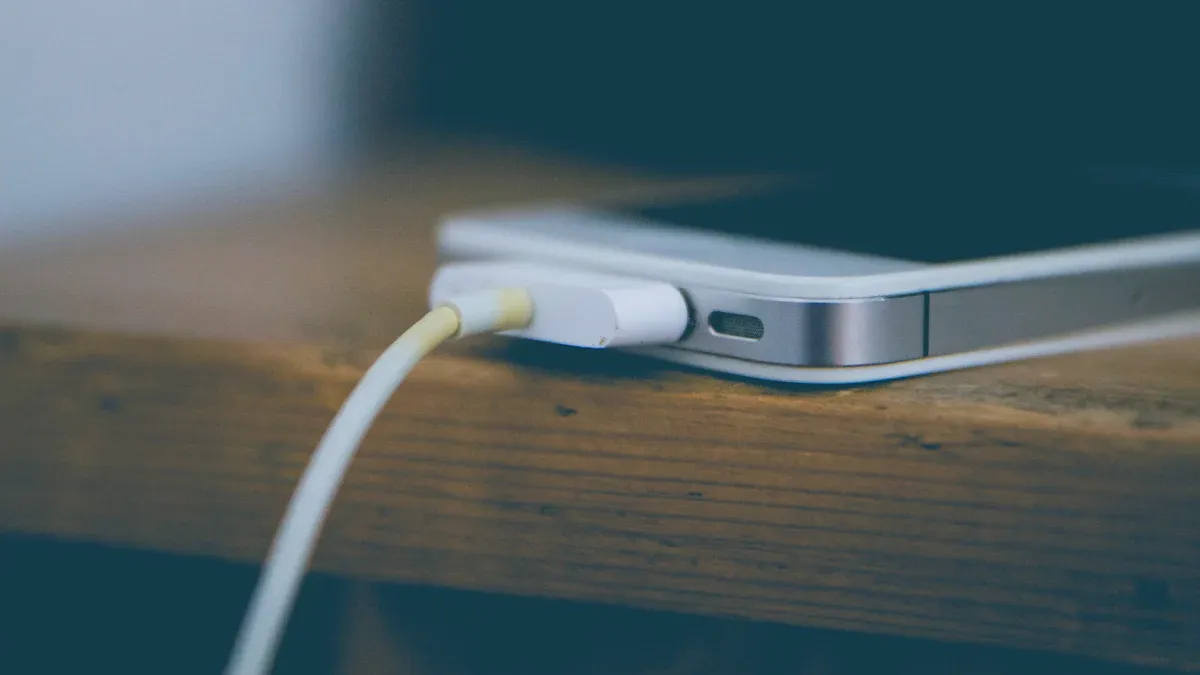
Following the right charging best practices is the best way to ensure your safety. While modern devices have protections against overcharging, your habits and equipment play a huge role in overall charging safety. These simple practices will protect your devices and give you peace of mind.
Use Original or Certified Equipment
The single most important rule for charging safety is to use the right gear. Your device’s safety systems depend on a quality charger. You should always choose either the original charger that came with your device or a certified third-party option.
- Original (OEM) Chargers: These are made by your device’s manufacturer and are guaranteed to work perfectly.
- Certified Third-Party Chargers: These are tested to meet strict safety standards. Look for marks like MFi, UL, or CE.
What Do Certifications Mean? Certifications are your proof of safety. An MFi (Made For i-Product) badge means Apple has approved the charger for its devices. A UL or ETL mark shows the product passed safety tests in the United States for fire and shock risk. The CE mark is used in Europe to show a product meets health and safety rules.
Cheap, uncertified chargers skip these important tests. They often lack proper thermal regulation and can send unstable voltage to your battery. This can shorten your battery’s health and create a serious fire hazard. Always check for an official certification mark directly on the charger itself, not just on the packaging. Following these charging best practices is crucial for the long-term health of your lithium-ion battery.
Charge on a Non-Combustible Surface
Where you charge your device matters. You should always place your phone or laptop on a hard, flat surface like a desk or a countertop for overnight charging. This simple practice allows heat to escape.
Charging a device on your bed, a sofa, or under a pillow is dangerous.
- Soft surfaces like blankets trap the heat that the battery and charger naturally produce.
- This trapped heat can cause the lithium-ion battery to overheat.
- An overheating battery can lead to a fire.
Even major manufacturers like Apple specifically warn against charging your device in a bed. Good ventilation is one of the most important charging best practices for battery safety.
Inspect Your Gear for Damage
You should make it a habit to check your charging equipment regularly. A quick visual inspection once a month can help you spot problems before they become dangerous. A damaged charger or cable cannot be trusted with your battery.
Look for these warning signs:
- Fraying or Bending: Any visible damage to the cable’s outer layer is a red flag.
- Bent or Damaged Pins: A damaged connector can harm your device’s charging port.
- Overheating: Your charger will get warm, but it should never be too hot to touch. A burning smell is a major warning sign.
If you notice any of these issues, stop using the equipment immediately. Replacing a worn-out cable is a small price to pay for your safety. These simple inspection practices are key charging best practices.
Overnight charging is safe for your modern lithium-ion device. Its technology protects the battery. Your charging safety, however, depends on your equipment. Avoid cheap chargers and never charge your battery on soft surfaces like a bed. Following the best safety practices is essential for your battery.
Key Safety Practices
- Always use the original or a certified charger for your lithium-ion battery.
- Place your device on a hard surface away from anything flammable.
- Regularly inspect your battery and charger for damage.
These simple practices ensure your long-term safety with any lithium-ion device.
FAQ
Should I charge my battery to 100% every time?
You do not need to charge your battery to 100% every time. For better long-term health, you can keep your battery charge between 20% and 80%. This practice slows down the natural aging of the battery. Charging to 100% is safe but not always necessary.
Is it okay to use my phone while it charges?
Yes, you can use your phone while it charges. Your device is designed for this. However, using it for intensive tasks like gaming can create extra heat. This combined heat from charging and use may slightly reduce your battery’s long-term lifespan.
What does a swollen battery mean?
A swollen battery is a serious danger sign. ⚠️ It means the internal cells are damaged and could fail. You should stop using the device immediately. Do not try to charge a swollen battery. You must replace it as soon as possible.
How can I make my battery last longer?
You can extend your battery’s life with good habits. Avoid extreme hot or cold temperatures. Try to keep the charge level between 20% and 80% when possible. Using the original or a certified charger also helps protect your battery from damage.
 EN
EN ES
ES FR
FR DE
DE RU
RU ZH
ZH